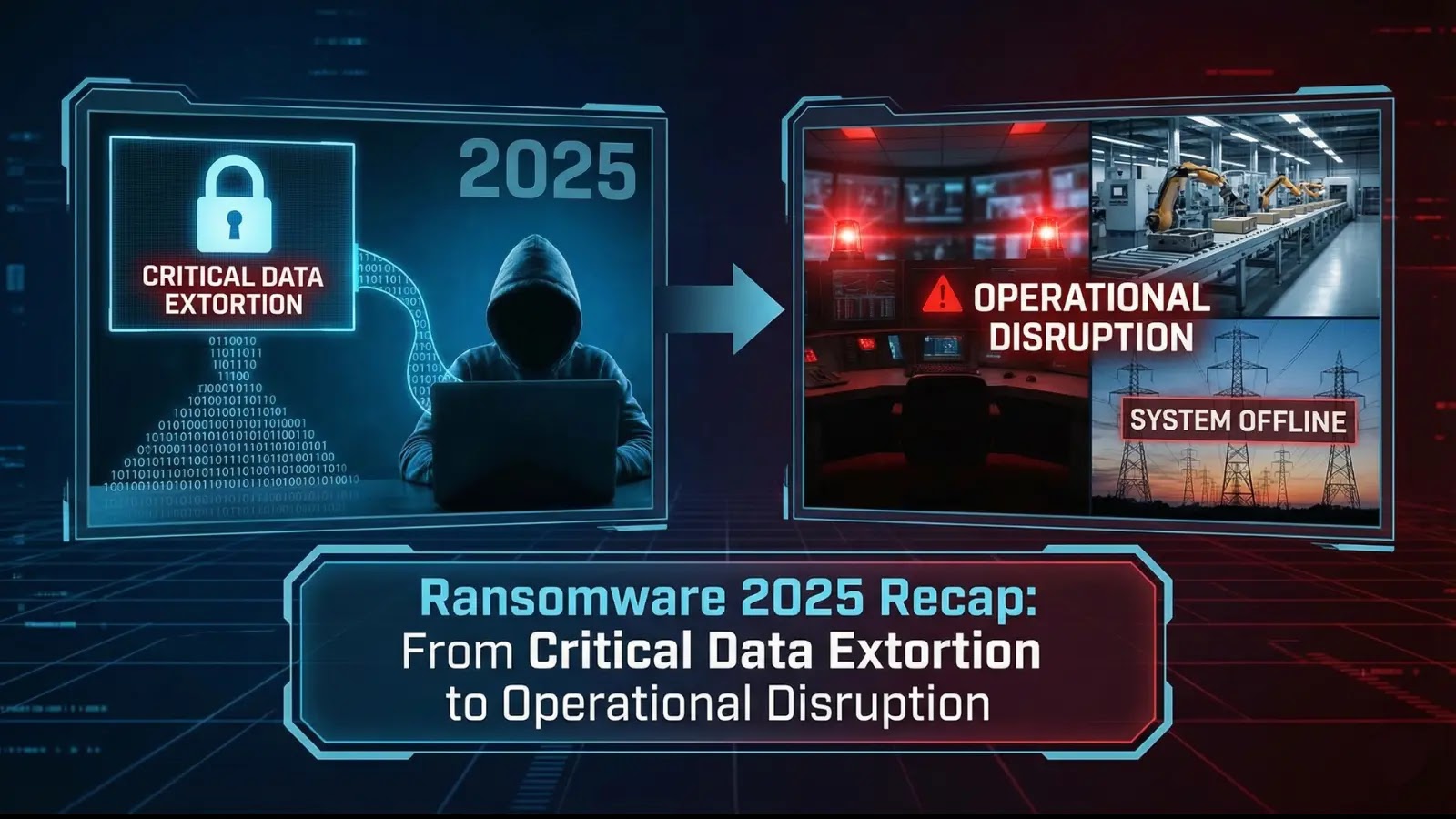
Ransomware in 2025: A Year of Unprecedented Threats and Evolving Tactics
The year 2025 has marked a significant escalation in ransomware activities, transforming from isolated cyber incidents into a pervasive threat impacting global security and economic stability. This period witnessed a substantial increase in attack volumes, a diversification of threat actors, and a shift in extortion methodologies, underscoring the critical need for enhanced cybersecurity measures.
Surge in Ransomware Incidents
Between January and September 2025, there were 4,701 confirmed ransomware incidents worldwide, reflecting a 34% increase compared to the same period in 2024. By October, the total had risen to 6,330 cases, a 47% increase from the previous year. This surge resulted in organizations facing an average of 1,984 cyberattacks per week in the second quarter of 2025, with ransomware constituting a significant portion of these attacks.
Monthly data revealed a consistent upward trend, with October 2025 recording 623 incidents—a 30% increase from September and the second-highest monthly total on record. This marked the sixth consecutive month of rising ransomware activity, highlighting the persistent and escalating nature of the threat. By the third quarter of 2025, an organization somewhere in the world was falling victim to ransomware approximately every 19 seconds.
Geographic Distribution of Attacks
Economically developed nations remained primary targets. The United States bore the brunt, accounting for approximately 1,000 incidents, or 21% of all attacks in 2025. Canada followed with 361 attacks, then Germany, the United Kingdom, and Italy. Notably, Australia emerged as a top-five target, experiencing a 67% increase in attacks, likely due to its rich resources and high per-capita GDP.
Decline in Ransom Payments
Despite the surge in attacks, ransom payment rates dropped to historic lows of 23-25%. This decline forced cybercriminals to rethink their business models and extortion tactics. The reduced success in extracting payments may be attributed to improved organizational defenses, increased awareness, and a growing reluctance to comply with ransom demands.
Fragmentation of Ransomware Ecosystem
Law enforcement actions against major operations like LockBit and ALPHV/BlackCat led to the emergence of 45 new groups, bringing the total number of active extortion operations to a record-breaking 85 distinct threat actors. This decentralization resulted in more sophisticated attack methodologies, including double and triple extortion tactics, AI-enhanced phishing campaigns, and targeted exploitation of cloud infrastructure and operational technology systems.
Targeting Critical Infrastructure
Critical infrastructure sectors were heavily targeted, with manufacturing, healthcare, energy, transportation, and finance accounting for 50% of all attacks. This trend demonstrates how ransomware has evolved into a tool capable of destabilizing entire industries and threatening public safety.
Notable Ransomware Groups and Their Tactics
– Cl0p Ransomware: Cl0p emerged as a dominant threat actor in 2025, listing 358 victims in the first quarter alone—a 284% increase from the previous year. This surge was primarily driven by the exploitation of zero-day vulnerabilities in Cleo managed file transfer solutions. Cl0p’s February 2025 campaign resulted in 389 victims, highlighting the devastating impact of supply chain vulnerabilities. ([cybersecuritynews.com](https://cybersecuritynews.com/213-increase-in-ransomware-attacks-targeting-organizations/?utm_source=openai))
– Play Ransomware: By May 2025, Play ransomware had breached approximately 900 organizations worldwide. The group employed constantly evolving methodologies, including recompiling their ransomware binary for each attack to evade detection. They also exploited vulnerabilities in remote monitoring tools like SimpleHelp and used psychological manipulation, such as threatening phone calls, to pressure victims. ([cybersecuritynews.com](https://cybersecuritynews.com/play-ransomware-ttps-iocs/?utm_source=openai))
– Dark Angels Ransomware: In a record-breaking incident, the Dark Angels ransomware group received a $75 million ransom payment from a single victim, nearly doubling the previous highest known ransom payment. This event underscores the escalating financial stakes in ransomware attacks. ([cybersecuritynews.com](https://cybersecuritynews.com/record-breaking-ransom-payment/?utm_source=openai))
Exploitation of Vulnerabilities
Exploited vulnerabilities remained the dominant attack vector, accounting for 32% of all successful ransomware incidents targeting organizations worldwide. This marks the third consecutive year that vulnerability exploitation has topped the list of technical root causes. Organizations that fell victim to ransomware attacks in the past year experienced an average recovery cost of $1.53 million, excluding any ransom payments. ([cybersecuritynews.com](https://cybersecuritynews.com/most-of-the-ransomware-attacks-targeting-organizations/?utm_source=openai))
Ransomware-as-a-Service (RaaS) Proliferation
The RaaS model has democratized cybercrime, enabling even low-skilled actors to launch sophisticated attacks. Groups like LockBit and BlackCat offer affiliates ready-to-deploy tools, technical support, and profit-sharing arrangements. This shift has fueled a 3% rise in ransomware incidents in 2024 despite law enforcement disruptions targeting major operators. By 2025, RaaS is expected to drive a surge in attacks against small and medium-sized businesses lacking robust defenses. ([cybersecuritynews.com](https://cybersecuritynews.com/ransomware-protection/?utm_source=openai))
Impact on Businesses and Critical Infrastructure
The financial consequences of ransomware attacks are staggering. The average ransom demand in 2024 reached $2.73 million, almost a $1 million increase from 2023. Business disruption often proves more costly than the ransom itself, with the average downtime following a ransomware attack extending to 21 days. Healthcare organizations face average daily losses of $1.9 million during such outages. A staggering 70% of companies hit by ransomware ultimately pay the hackers to regain access to their files and systems. ([cybersecuritynews.com](https://cybersecuritynews.com/ransomware/?utm_source=openai))
Security Budgets and Preparedness
Despite the clear and present danger, security budgets remain insufficient at many organizations. Just 49% of organizations have a sufficient budget to meet their cybersecurity needs. Cybersecurity spending averages only 5.7% of total IT budgets, well below the recommended 7% to 20% range that experts suggest. Even more concerning, 92% of companies plan to cut costs in areas like people, processes, or technology in 2025, potentially leaving them more vulnerable as threats evolve. ([cybersecuritynews.com](https://cybersecuritynews.com/ransomware/?utm_source=openai))
Conclusion
The ransomware landscape in 2025 has underscored the critical need for organizations to bolster their cybersecurity measures. The surge in attacks, diversification of threat actors, and evolution of extortion tactics highlight the importance of proactive defense strategies, regular vulnerability assessments, and comprehensive incident response plans. As ransomware continues to evolve, staying ahead of these threats requires a concerted effort from both the public and private sectors to enhance resilience against this pervasive cyber menace.