Qi2 Wireless Charging: The Future of Android Smartphones in 2026
The wireless charging landscape is poised for a significant transformation in 2026, with the Qi2 standard set to become a mainstream feature in Android smartphones. This advancement promises enhanced charging efficiency, faster speeds, and improved device compatibility, marking a pivotal shift in mobile technology.
Understanding Qi2 Wireless Charging
Qi2 is the latest evolution in wireless charging technology, building upon the foundation laid by its predecessor, Qi. Developed by the Wireless Power Consortium (WPC), Qi2 introduces a Magnetic Power Profile, incorporating a ring of magnets to ensure precise alignment between devices and chargers. This innovation not only enhances charging efficiency but also opens the door for a new ecosystem of magnetic accessories.
Early Adoption and Market Response
The journey toward widespread Qi2 adoption has been gradual. Google’s Pixel 10 series was among the first to integrate Qi2, offering users the benefits of magnetic alignment and faster charging speeds. However, not all models within the series supported the maximum 25W charging rate, with some limited to 15W due to design constraints. This partial adoption highlighted the challenges manufacturers face in balancing new technology integration with existing design philosophies.
Samsung, a dominant player in the Android market, initially hesitated to embrace Qi2. The Galaxy S24 series, for instance, lacked Qi2 support, maintaining traditional wireless charging capabilities. This decision was met with disappointment from consumers eager for the enhanced features Qi2 offers. However, Samsung’s subsequent development of a new wireless charging chip capable of 50W speeds and Qi2 compatibility signaled a shift in strategy, indicating a readiness to incorporate Qi2 in future models.
The 2026 Outlook: A Surge in Qi2 Integration
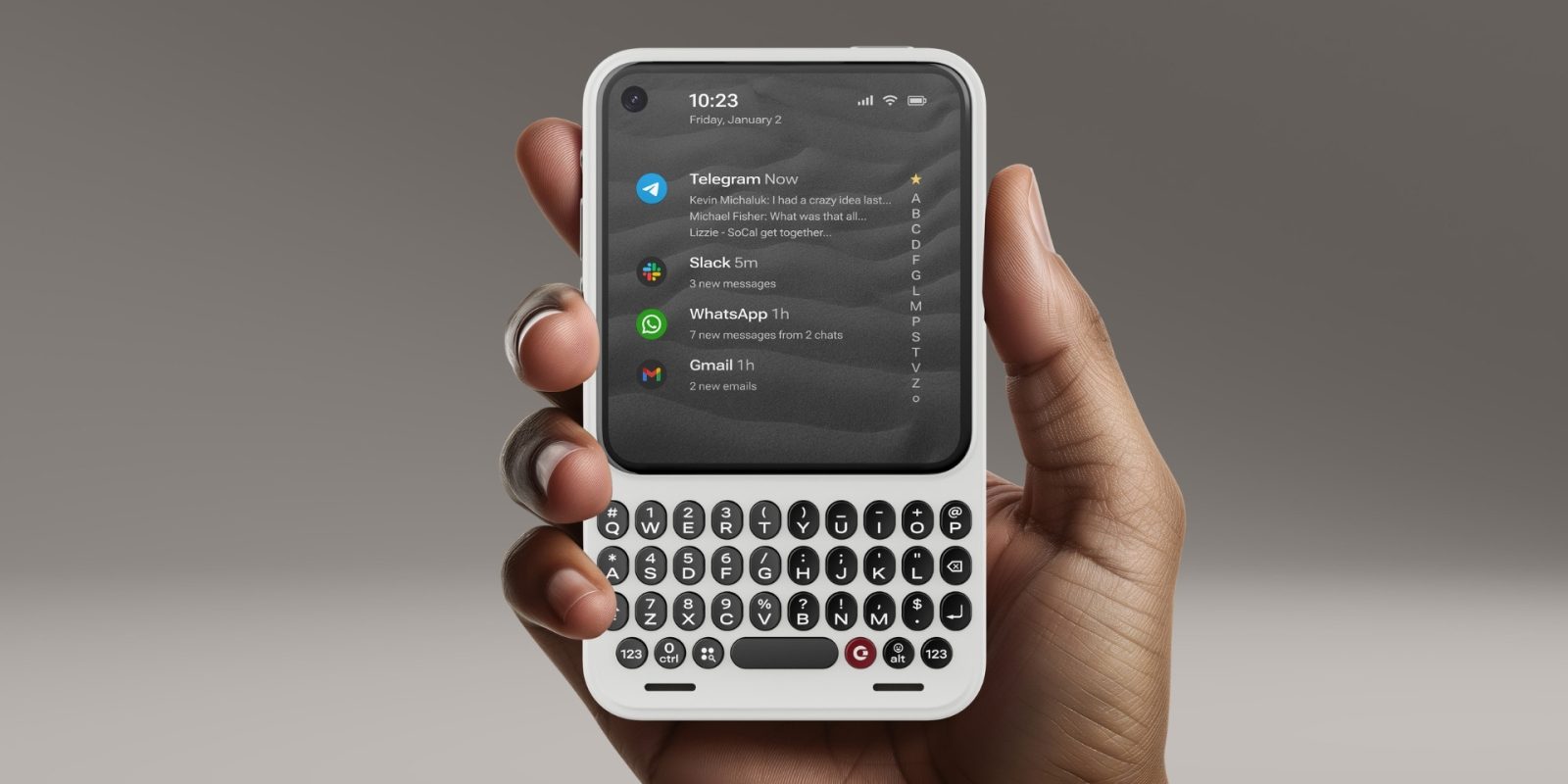
As 2026 unfolds, the Android smartphone market is witnessing a surge in Qi2 integration. The Clicks Communicator, a BlackBerry-style Android device with a physical keyboard, has confirmed Qi2 support, demonstrating the standard’s versatility across diverse device designs. This inclusion underscores the growing recognition of Qi2’s benefits beyond mainstream smartphone models.
Samsung’s anticipated Galaxy S26 series is expected to fully embrace Qi2, marking a significant milestone in the standard’s adoption. Leaks and industry reports suggest that Samsung’s upcoming foldable devices, including the Galaxy Z Fold 7 and Z Flip 7, will also feature Qi2 support. This widespread integration across Samsung’s flagship and foldable lines indicates a strong commitment to the new standard.
Other manufacturers are also joining the Qi2 movement. OnePlus, despite initial reluctance, is rumored to be developing devices with native Qi2 support, moving beyond previous solutions that relied on accessories to mimic Qi2 functionality. This shift reflects a broader industry trend toward embracing standardized wireless charging solutions.
The Impact on Consumers and the Accessory Market
For consumers, the widespread adoption of Qi2 translates to more reliable and efficient wireless charging experiences. The magnetic alignment feature reduces the chances of misalignment, ensuring optimal charging every time. Additionally, the standardization fosters a broader range of compatible accessories, from charging pads to magnetic mounts, enhancing the overall user experience.
Accessory manufacturers are responding to this trend by developing products tailored for Qi2-enabled devices. Nomad’s Qi2 25W wireless charging stand, for instance, is designed with the Pixel 10 and iPhone 17 in mind, offering a versatile charging solution for users of both platforms. Similarly, Belkin’s UltraCharge 2-in-1 Foldable Magnetic Charger caters to the needs of Pixel 10 series users, providing a compact and efficient charging option.
Challenges and Considerations
Despite the optimistic outlook, challenges remain. Not all devices within a manufacturer’s lineup may support the full capabilities of Qi2. For example, while the Pixel 10 Pro XL supports 25W charging, other models in the series are limited to 15W. These discrepancies can lead to consumer confusion and necessitate clear communication from manufacturers regarding device capabilities.
Furthermore, the transition to Qi2 requires updates to existing infrastructure, including chargers and accessories. Consumers may need to invest in new peripherals to fully benefit from the standard, which could be a consideration for those with extensive existing setups.
Conclusion
The year 2026 marks a significant turning point for wireless charging in the Android ecosystem. The adoption of the Qi2 standard by major manufacturers like Samsung and Google, along with the development of compatible accessories, signals a unified move toward more efficient and user-friendly charging solutions. As Qi2 becomes the norm, consumers can look forward to a more seamless and versatile charging experience, reflecting the industry’s commitment to innovation and standardization.