PowerLattice Secures $25 Million Investment Led by Pat Gelsinger to Revolutionize Chip Energy Efficiency
In the rapidly evolving landscape of artificial intelligence (AI), the demand for computational power has surged dramatically. This escalation has placed immense pressure on data centers, necessitating more energy-efficient solutions to manage the growing power requirements. Addressing this critical need, PowerLattice, a startup established in 2023 by seasoned electrical engineers from Qualcomm, NUVIA, and Intel, has introduced an innovative technology aimed at significantly reducing the power consumption of computer chips.
PowerLattice’s groundbreaking approach involves the development of a compact power delivery chiplet designed to bring power closer to the processor. This design minimizes energy loss and has the potential to decrease the power needs of computer chips by over 50%. Such a substantial reduction could lead to more sustainable and cost-effective data center operations, aligning with the industry’s urgent call for enhanced energy efficiency.
On November 17, 2025, PowerLattice emerged from stealth mode, announcing a successful Series A funding round that raised $25 million. This round was led by Playground Global and Celesta Capital, bringing the company’s total funding to $31 million. Notably, Pat Gelsinger, former CEO of Intel and now a general partner at Playground Global, played a pivotal role in this investment. Gelsinger’s involvement serves as a significant endorsement of PowerLattice’s technology and vision.
Gelsinger emphasized the complexity and importance of efficient power delivery in semiconductor devices, stating, This is the hard stuff: How do you get power into the device? There are very few teams and people that can do it. He further highlighted the exceptional expertise of PowerLattice’s team, referring to them as the dream team of power delivery.
The collaboration between PowerLattice and Gelsinger began in March when the startup’s CEO, Dr. Peng Zou, and the founding team presented their concept at Playground’s offices. The meeting was marked by mutual admiration, with the PowerLattice team expressing their respect for Gelsinger’s contributions to the semiconductor industry. Gelsinger, in turn, was genuinely impressed by the startup’s innovative approach to power efficiency.
PowerLattice has already achieved a significant milestone by initiating the production of its first batch of chiplets through Taiwan Semiconductor Manufacturing Company (TSMC). This production is in partnership with an undisclosed manufacturer currently testing the functionality of the startup’s technology. This progress underscores the practical viability of PowerLattice’s solution and sets the stage for broader industry adoption.
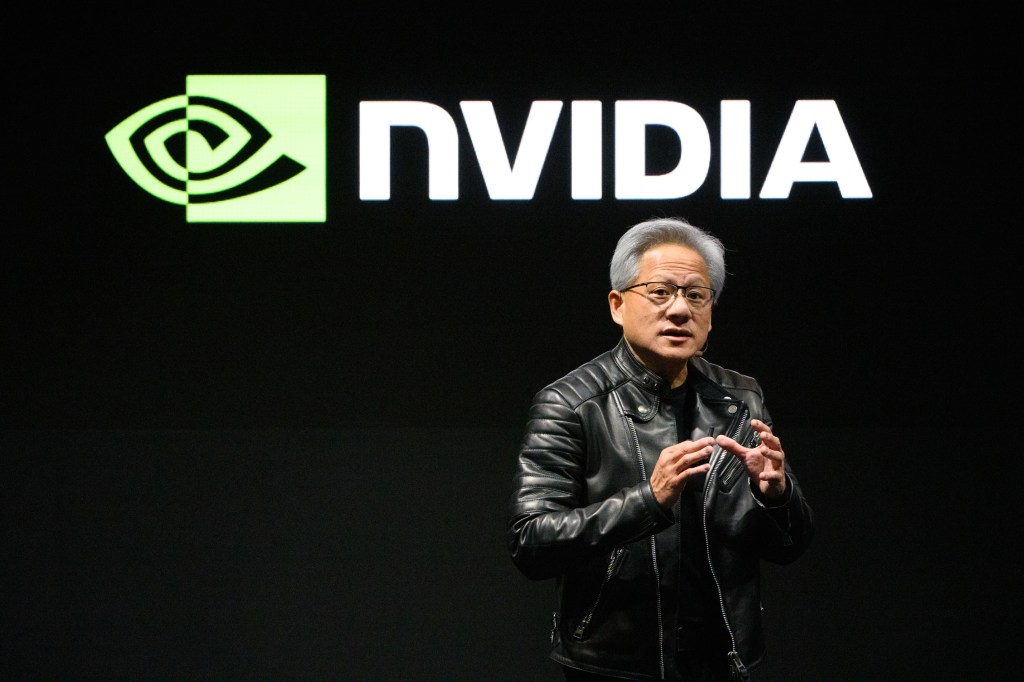
Looking ahead, PowerLattice plans to make its product available for testing by additional customers in the first half of 2026. The startup’s potential client base includes major chip manufacturers such as Nvidia, Broadcom, and AMD, as well as specialized AI chip developers like Cerberus, Grok, and Playground-backed startups d-Matrix and NextSilicon. These collaborations could accelerate the integration of PowerLattice’s technology into a wide array of applications, further enhancing energy efficiency across the industry.
While many chip companies have internal teams dedicated to improving energy efficiency, Gelsinger believes that PowerLattice’s innovative approach will capture significant interest. He anticipates that companies may adopt a dual strategy, incorporating both traditional methods and PowerLattice’s technology to optimize power delivery. Gelsinger expressed confidence in PowerLattice’s potential to secure a meaningful share of the market, stating, We think our ability to capture meaningful share will quickly emerge.
PowerLattice is not alone in its quest to address the energy challenges facing the semiconductor industry. The company faces competition from other startups, such as Empower Semiconductor, which raised a $140 million Series D funding round led by Fidelity Management & Research Company in September. Despite the competitive landscape, Gelsinger is confident in PowerLattice’s ability to deliver extraordinary results, citing the startup’s 50% energy efficiency gain as a testament to its innovative approach.
As PowerLattice continues to develop and refine its technology, the company is poised to play a crucial role in shaping the future of energy-efficient computing. With strong backing from industry leaders and a clear vision for addressing the pressing energy demands of modern data centers, PowerLattice stands at the forefront of a movement towards more sustainable and efficient semiconductor solutions.