Pixel 10a vs. Pixel 10: Bridging the Expanding Divide
In the evolving landscape of Google’s smartphone lineup, the distinction between the Pixel 10a and Pixel 10 has become more pronounced than ever. This comprehensive comparison delves into the nuances of both devices, highlighting their design philosophies, performance metrics, camera capabilities, and battery efficiencies to assist potential buyers in making an informed decision.
Design and Build Quality
The Pixel 10 exudes a premium aesthetic, reminiscent of its predecessors, with enhancements that elevate its stature. It boasts Gorilla Glass Victus 2, a polished back, and satin aluminum frames, culminating in a device that feels both dense and high-end. Its compact form factor ensures it remains accessible to a broad user base.
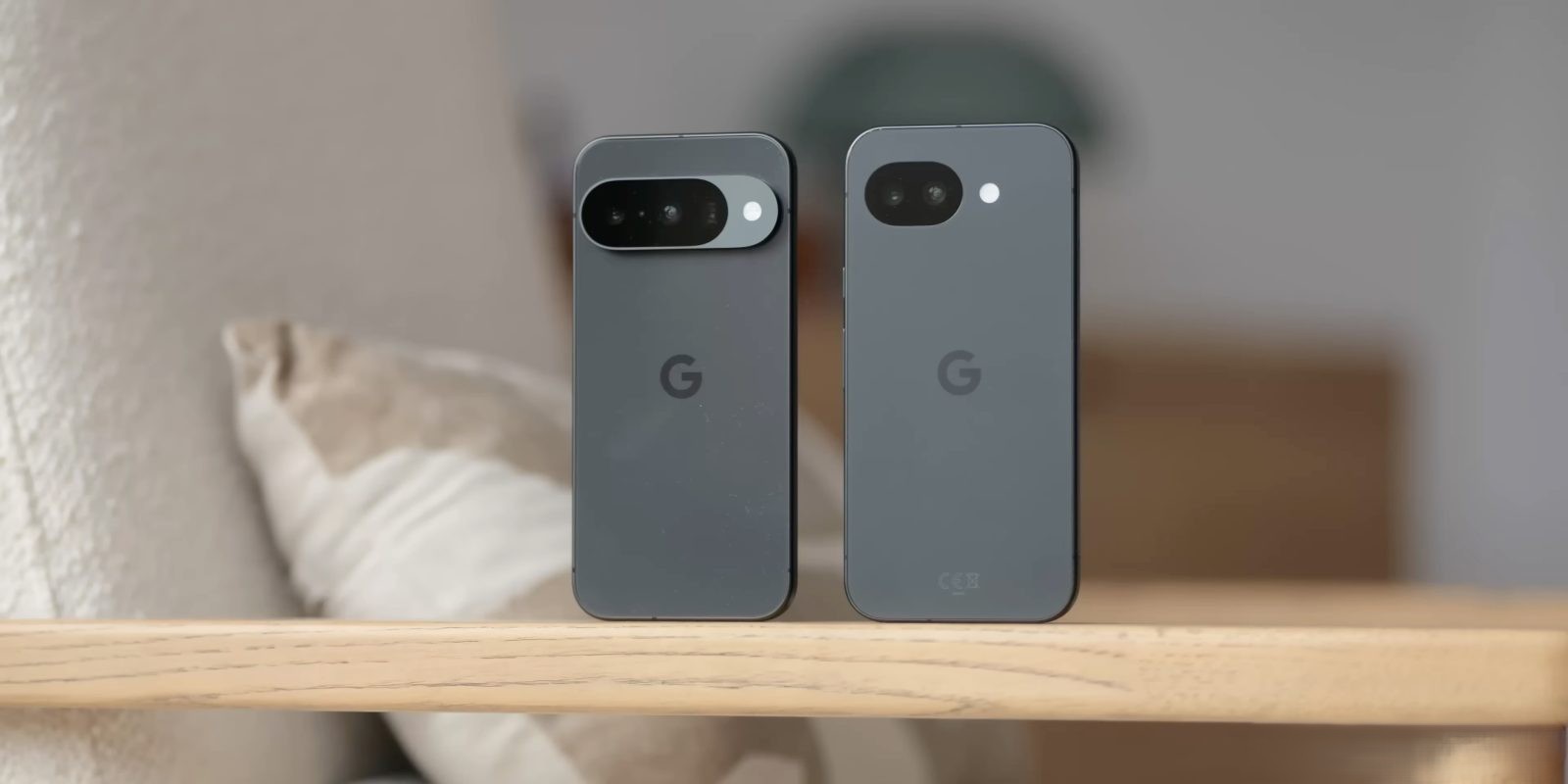
In contrast, the Pixel 10a continues the unibody design introduced with the 9a, emphasizing simplicity and functionality. The camera module is seamlessly integrated, resulting in a flush backplate that enhances its minimalist appeal. Despite utilizing more cost-effective materials, the device’s matte finish offers a distinctive touch.
A notable difference is the weight disparity, with the Pixel 10a being over 20 grams lighter than its counterpart. Additionally, the absence of Google’s Pixelsnap feature in the 10a is a missed opportunity, especially given its utility in the Pixel 10. Dimensionally, the 10a is marginally taller by approximately a millimeter.
Display Characteristics
Both devices are equipped with 6.3-inch OLED displays, delivering 1080 x 2424 resolution and a 120Hz refresh rate. The Pixel 10a introduces Gorilla Glass 7i, enhancing scratch and drop resistance—a significant upgrade from the Gorilla Glass 3 used in previous A-Series models. The Pixel 10, however, utilizes Gorilla Glass Victus 2, offering superior durability.
While the screens are nearly indistinguishable in terms of brightness and refresh rates, the Pixel 10a features slightly thicker bezels. An area of divergence is the fingerprint scanner technology; the 10a employs an optical scanner, whereas the Pixel 10 utilizes an ultrasonic variant, potentially offering faster and more reliable authentication.
Performance and Specifications
Under the hood, the Pixel 10 is powered by Google’s Tensor G5 chip, built on TSMC’s 3nm process node. This results in a CPU that is 34% faster on average, with significant gains in both single and multi-threaded performance. The Tensor G5 also features a TPU that is up to 60% more powerful, running the latest Gemini Nano model from DeepMind. Additionally, the Pixel 10 series upgrades to faster UFS 4.0 storage, enhancing overall device responsiveness.
In contrast, the Pixel 10a is equipped with the Tensor G4 processor, accompanied by 8GB of RAM and storage options of 128GB or 256GB UFS 3.1. While the Tensor G4 offers commendable performance, it doesn’t match the advancements introduced with the Tensor G5. This marks a significant divergence in specifications, making the Pixel 10 a more compelling choice for users seeking top-tier performance.
Camera Capabilities
Both devices share identical main and ultrawide rear camera lenses: a 48 MP wide-angle lens with f/1.7 aperture and a 13 MP ultrawide lens with f/2.2 aperture. However, the Pixel 10 distinguishes itself with the addition of a 10.8-megapixel 5x optical zoom telephoto lens, supported by AI enhancements, allowing for zoom capabilities up to 20x. In contrast, the Pixel 10a is limited to an 8x digital zoom.
The 10a also lacks the ultrawide selfie option and autofocus for pets—features present in the Pixel 10. Despite these differences, the overall image quality between the two devices remains comparable, with minimal discernible differences in standard photography scenarios.
Battery Life and Charging
Surprisingly, the Pixel 10a houses a larger 5,100 mAh battery compared to the Pixel 10’s 4,970 mAh. However, real-world usage indicates negligible differences in battery longevity, likely due to the efficiency gains afforded by the Tensor G5 in the Pixel 10.
Charging capabilities also differ. The Pixel 10 supports wired charging speeds up to 30W and wireless charging up to 15W, with Qi2 magnetic support. The Pixel 10a, on the other hand, offers wired charging up to 30W and wireless charging up to 10W, lacking the Qi2 magnetic support found in the Pixel 10.
Final Thoughts
The gap between Google’s A-series and flagship devices has widened with the introduction of the Pixel 10 and Pixel 10a. While the Pixel 10a offers a commendable experience with its design and core functionalities, the Pixel 10 stands out with its superior build quality, enhanced performance, and additional features. Prospective buyers should weigh these differences against their individual needs and budget considerations to make an informed choice.