Physical AI: The Dawn of Intelligent Machines in Our Daily Lives
The landscape of artificial intelligence (AI) is undergoing a transformative shift, moving beyond digital interfaces to integrate seamlessly into the physical world. This evolution, termed physical AI, was prominently showcased at the Consumer Electronics Show (CES) 2026, where innovations in robotics, autonomous vehicles, and AI-driven devices took center stage.
The Emergence of Physical AI
Traditionally, AI has been confined to software applications, processing data and making decisions within virtual environments. However, advancements in machine learning, sensor technology, and edge computing have paved the way for AI systems that interact directly with the physical world. This integration allows machines to perceive, interpret, and respond to their surroundings in real-time, leading to more dynamic and responsive applications.
Highlights from CES 2026
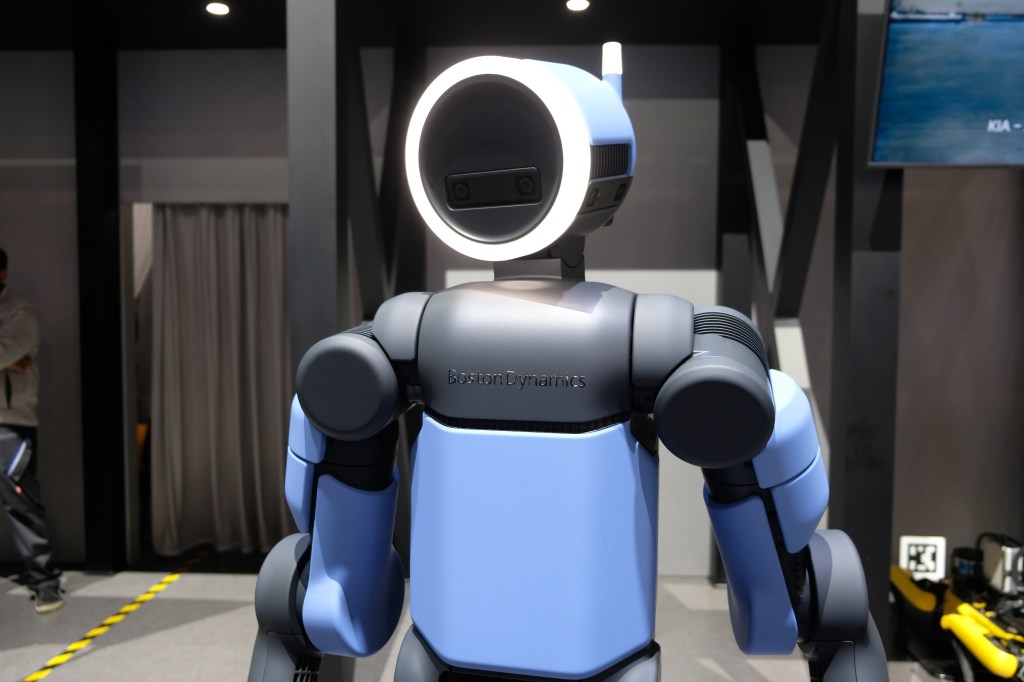
At CES 2026, the prominence of physical AI was undeniable. Hyundai’s expansive exhibit drew significant attention, not for its vehicles, but for its array of robotic innovations. Central to their showcase was the Atlas humanoid robot, developed by their subsidiary, Boston Dynamics. Atlas demonstrated advanced mobility and dexterity, signaling a future where humanoid robots could assist in various sectors, from manufacturing to healthcare.
In addition to Atlas, Hyundai introduced a robot designed to autonomously charge electric vehicles, addressing a critical need in the growing EV market. Another notable innovation was the Mobile Eccentric Droid (MobEd), a four-wheel electric platform set to enter production this year. MobEd’s versatility suggests applications ranging from logistics to personal mobility solutions.
Industry Perspectives on Physical AI
The surge in physical AI has sparked discussions about its practicality and potential. Amnon Shashua, co-founder and president of Mobileye, addressed skepticism surrounding humanoid robots. He emphasized that while the technology is still maturing, the integration of AI into physical entities offers unprecedented opportunities for automation and efficiency.
Applications Across Sectors
The implications of physical AI extend across various industries:
– Manufacturing: AI-powered robots can perform complex tasks with precision, reducing human error and increasing productivity.
– Healthcare: Humanoid robots could assist in patient care, rehabilitation, and even surgical procedures, offering consistent and tireless support.
– Agriculture: Autonomous drones and machinery can monitor crops, apply treatments, and harvest produce, optimizing yields and reducing labor costs.
– Transportation: Self-driving vehicles and AI-driven logistics systems promise safer and more efficient movement of goods and people.
Challenges and Considerations
Despite the enthusiasm, the integration of physical AI presents challenges:
– Ethical Concerns: The deployment of AI in physical forms raises questions about job displacement, privacy, and decision-making authority.
– Technical Limitations: Ensuring reliability, safety, and adaptability in diverse environments remains a significant hurdle.
– Regulatory Frameworks: Establishing standards and regulations to govern the use of physical AI is crucial to prevent misuse and ensure public trust.
The Road Ahead
The transition from digital to physical AI signifies a pivotal moment in technological advancement. As these intelligent machines become more integrated into daily life, they hold the promise of enhancing efficiency, safety, and quality of life. However, realizing this potential requires careful consideration of ethical implications, robust technical development, and comprehensive regulatory oversight.