Pentagon Pressures Anthropic Over Military Applications of AI Model Claude
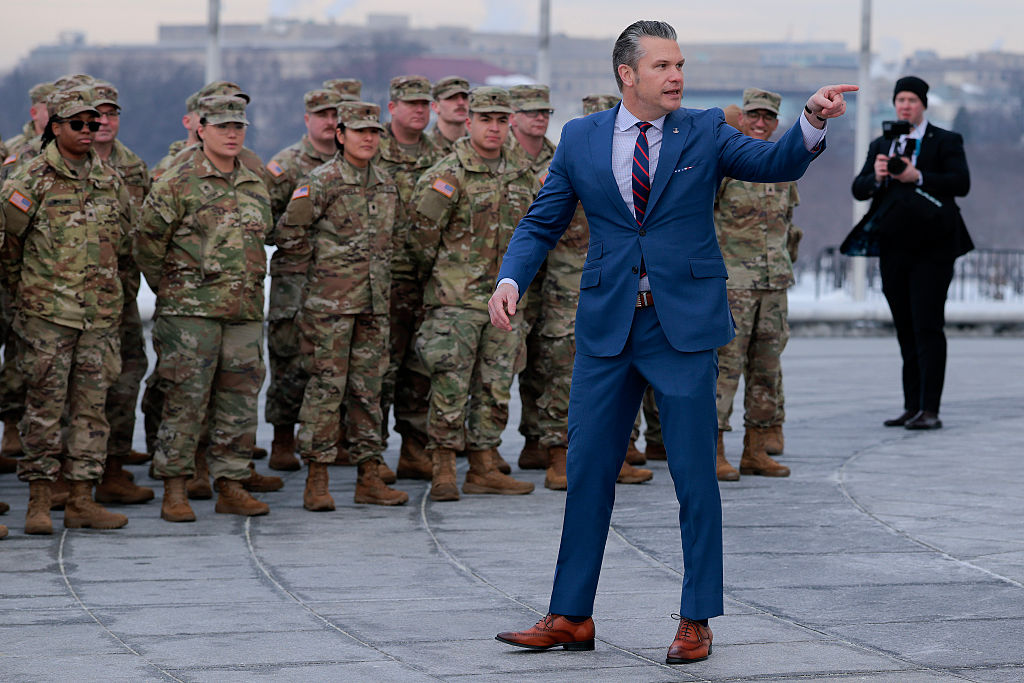
In a significant development highlighting the intersection of artificial intelligence and national defense, U.S. Defense Secretary Pete Hegseth has summoned Dario Amodei, CEO of AI firm Anthropic, to the Pentagon. The meeting, scheduled for Tuesday morning, aims to address the contentious use of Anthropic’s AI model, Claude, within military operations.
This confrontation arises from the Pentagon’s consideration to label Anthropic as a supply chain risk, a designation typically reserved for entities associated with foreign adversaries. The potential classification stems from Anthropic’s refusal to permit the Department of Defense (DoD) to utilize Claude for mass surveillance of American citizens and the development of autonomous weaponry—systems capable of engaging targets without human intervention.
The relationship between Anthropic and the DoD began with a substantial $200 million contract signed last summer. Claude’s capabilities were notably employed during a special operations raid on January 3, which led to the capture of Venezuelan President Nicolás Maduro. This operation brought the underlying tensions between the AI firm and the military into public view.
According to sources cited by Axios, Secretary Hegseth is presenting Amodei with a stark ultimatum: comply with the Pentagon’s directives or face exclusion from future collaborations. While it’s uncertain whether this is a negotiating tactic, the implications are profound. Being designated a supply chain risk would not only nullify Anthropic’s existing contract but also compel other Pentagon partners to cease using Claude entirely.
Background on Anthropic and Claude
Anthropic, co-founded by Dario Amodei, has positioned itself as a leader in AI development, emphasizing safety and ethical considerations. Claude, their flagship AI model, has been lauded for its advanced capabilities and has seen integration into various sectors, including enterprise solutions and coding platforms.
In August 2025, Anthropic enhanced Claude’s functionality by expanding its context window to 1 million tokens, allowing it to process extensive inputs equivalent to 750,000 words. This advancement positioned Claude ahead of competitors like OpenAI’s GPT-5, which offered a 400,000 token context window. Such improvements have made Claude an attractive option for developers and enterprises seeking robust AI solutions.
Ethical Stance and Military Collaboration
Anthropic’s commitment to ethical AI deployment has been a cornerstone of its operations. The company’s policies explicitly prohibit the use of its models for applications that could cause harm or loss of human life. This ethical framework has led to friction with the DoD, especially concerning the development of autonomous weapons and surveillance systems.
The Pentagon’s interest in leveraging AI to expedite its kill chain—the process of identifying, tracking, and neutralizing threats—has been evident. Dr. Radha Plumb, the Pentagon’s chief digital and AI officer, highlighted the role of AI in enhancing decision-making speed and efficiency in military operations. However, she emphasized that human oversight remains integral to the deployment of force, ensuring that AI serves as a tool rather than an autonomous decision-maker.
Industry Implications and Future Outlook
The standoff between Anthropic and the Pentagon underscores the broader challenges tech companies face when navigating contracts with defense entities. Balancing ethical considerations with national security interests presents a complex dilemma. For Anthropic, adhering to its ethical guidelines may risk lucrative contracts and potential blacklisting, while compliance could compromise its foundational principles.
This situation also reflects a growing trend where AI developers are scrutinized for their collaborations with military and governmental bodies. The debate over AI’s role in defense, especially concerning autonomous weapons and surveillance, continues to evolve, prompting companies to carefully consider the implications of their technologies’ applications.
As the scheduled meeting approaches, the tech industry and defense sectors alike are keenly observing the outcome. The resolution could set a precedent for future collaborations between AI firms and military organizations, influencing policies and ethical standards in the deployment of artificial intelligence in defense contexts.