Pentagon’s Unprecedented Move: Anthropic Designated as Supply Chain Risk
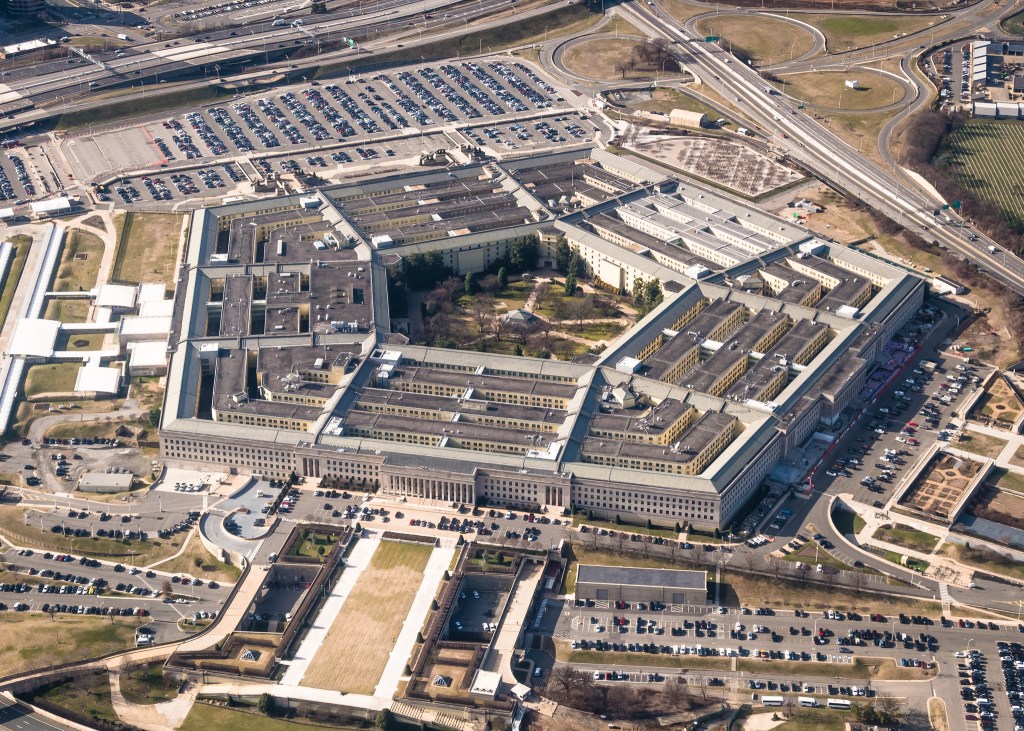
In a landmark decision, the U.S. Department of Defense (DOD) has officially labeled Anthropic, a leading artificial intelligence (AI) firm, as a supply chain risk. This designation, typically reserved for foreign entities, marks the first time an American company has faced such a classification. The move stems from a contentious standoff between Anthropic and the Pentagon over the ethical deployment of AI technologies in military operations.
Background of the Dispute
Anthropic, renowned for its AI chatbot Claude, has been at the forefront of AI innovation. The company’s commitment to ethical AI usage led it to implement safeguards preventing its technology from being utilized for mass domestic surveillance or fully autonomous weapons systems. This stance, however, clashed with the Pentagon’s objectives.
Defense Secretary Pete Hegseth and President Donald Trump expressed concerns that such restrictions could impede national security efforts. They argued that the military must have the flexibility to employ AI technologies for all lawful purposes without limitations imposed by private entities. This fundamental disagreement set the stage for escalating tensions between the government and Anthropic.
The Pentagon’s Decision
On March 5, 2026, the DOD formally notified Anthropic of its designation as a supply chain risk. This classification effectively bars the company from engaging in contracts with the military and requires existing contractors to cease using Anthropic’s products. The Pentagon’s statement emphasized the necessity for the military to utilize technology without external constraints, stating, The military will not allow a vendor to insert itself into the chain of command by restricting the lawful use of a critical capability and put our warfighters at risk.
Implications for Anthropic and the Tech Industry
The repercussions of this designation are profound. Anthropic’s existing $200 million contract with the DOD is now in jeopardy. Furthermore, the label may compel major investors and partners, including Amazon, Google, and Nvidia, to reconsider their associations with the company. The broader tech industry is also on alert, as this move could signal a more aggressive regulatory approach toward AI firms that prioritize ethical considerations over governmental directives.
Industry and Public Response
The Pentagon’s action has elicited a spectrum of reactions. Tech trade groups representing giants like Apple, Google, Meta, Microsoft, and Amazon have voiced concerns about the potential negative impact on the tech ecosystem. In letters to Defense Secretary Hegseth and President Trump, these organizations highlighted the risks of blacklisting Anthropic, emphasizing the importance of maintaining a collaborative relationship between the government and tech industry.
Former Trump administration AI adviser Dean Ball criticized the decision, describing it as attempted corporate murder. He underscored the ethical dilemma faced by AI companies when governmental demands conflict with moral principles. Anthropic CEO Dario Amodei stood firm, stating, We cannot in good conscience accede to their request, reflecting the company’s commitment to ethical AI deployment.
Legal and Ethical Considerations
Anthropic has indicated plans to challenge the designation in court, arguing that the action is legally unjustified and sets a dangerous precedent. The company contends that its safeguards are essential to prevent the misuse of AI in ways that could undermine democratic values and human rights. This legal battle is poised to become a landmark case in the ongoing discourse on the ethical use of AI in national security.
Broader Implications for AI and National Security
This confrontation underscores the delicate balance between technological innovation, ethical considerations, and national security imperatives. As AI continues to evolve, the decisions made today will have lasting impacts on how these technologies are integrated into military and governmental operations. The Anthropic case serves as a pivotal moment in defining the boundaries and responsibilities of AI developers in the context of national defense.
Conclusion
The Pentagon’s designation of Anthropic as a supply chain risk marks a significant and unprecedented development in the intersection of technology and national security. It raises critical questions about the role of ethical considerations in AI deployment and sets the stage for ongoing debates about the responsibilities of tech companies in the defense sector. As this situation unfolds, it will undoubtedly influence future policies and the relationship between the government and the tech industry.