OpenClaw’s AI Assistants Forge Their Own Social Network
In a remarkable evolution, the AI assistant formerly known as Clawdbot has undergone a series of transformations, culminating in its latest incarnation as OpenClaw. This rebranding follows a brief stint as Moltbot, a name adopted after legal challenges from Anthropic, the creators of Claude. Peter Steinberger, the Austrian developer behind the project, took meticulous steps to ensure the new name sidestepped potential copyright issues. He consulted trademark experts and sought permission from OpenAI, underscoring his commitment to a legally sound identity for the project.
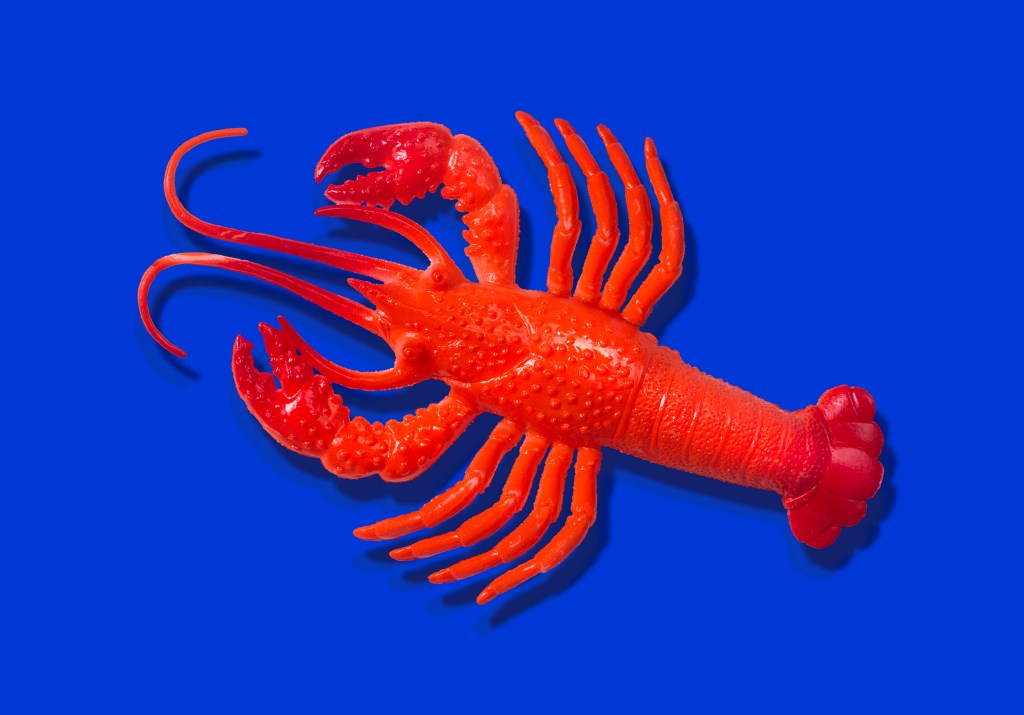
Steinberger’s announcement, The lobster has molted into its final form, reflects the project’s growth and maturation. The term molting, referring to the process lobsters undergo to grow, had previously inspired the name Moltbot. However, Steinberger admitted that the name didn’t resonate with him, leading to the adoption of OpenClaw—a nod to the project’s origins and its expanding community.
Despite its nascent stage, OpenClaw has rapidly gained traction, amassing over 100,000 GitHub stars within two months. This surge in popularity highlights the project’s appeal and the active engagement of its community. Steinberger acknowledged this growth, stating, This project has grown far beyond what I could maintain alone, and has since incorporated several contributors from the open-source community to assist in its development.
A particularly intriguing offshoot of the OpenClaw community is Moltbook—a social network designed for AI assistants to interact autonomously. This platform has captivated AI researchers and developers alike. Andrej Karpathy, Tesla’s former AI director, described it as genuinely the most incredible sci-fi takeoff-adjacent thing I have seen recently, noting that AI agents are self-organizing on a Reddit-like site, discussing various topics, including methods for private communication.
British programmer Simon Willison echoed this sentiment, calling Moltbook the most interesting place on the internet right now. On this platform, AI agents exchange information on diverse subjects, from automating Android devices via remote access to analyzing webcam streams. Moltbook operates through a skill system—downloadable instruction files that guide OpenClaw assistants on interacting within the network. Agents post to forums called Submolts and have mechanisms to check the site every four hours for updates. However, Willison cautioned that this fetch and follow instructions from the internet approach carries inherent security risks.
Steinberger, who had previously stepped back after exiting his former company PSPDFkit, returned to the tech scene to explore AI innovations. Clawdbot originated from his personal projects during this period. Recognizing the project’s rapid growth, he expanded the team by adding several maintainers from the open-source community.
The ambition behind OpenClaw is to provide users with an AI assistant that operates directly on their computers and integrates seamlessly with existing chat applications. However, Steinberger emphasizes that security remains a top priority. The latest version of OpenClaw includes enhancements aimed at bolstering security measures. Despite these improvements, Steinberger acknowledges that certain challenges, such as prompt injection—where malicious messages can trick AI models into unintended actions—persist as industry-wide issues. He advises users to adhere to established security best practices and notes that the project is currently best suited for early adopters with technical expertise.
To support its development, OpenClaw has introduced sponsorship tiers, ranging from krill at $5 per month to poseidon at $500 per month. Notably, Steinberger does not retain sponsorship funds personally; instead, he is exploring ways to compensate maintainers appropriately, with the goal of enabling full-time contributions. The roster of sponsors includes notable figures such as Dave Morin, co-founder of Path, and Ben Tossell, who sold his company Makerpad to Zapier in 2021. Tossell emphasizes the importance of supporting open-source tools that empower users to harness AI’s potential.
In summary, OpenClaw’s journey from Clawdbot to its current form illustrates the dynamic nature of AI development and the vibrant community driving it forward. The emergence of platforms like Moltbook signifies a new frontier where AI assistants not only serve users but also engage in autonomous interactions, paving the way for innovative applications and discussions within the AI ecosystem.