OpenAI’s Strategic Alliance with the Pentagon: Balancing Innovation and Ethical Safeguards
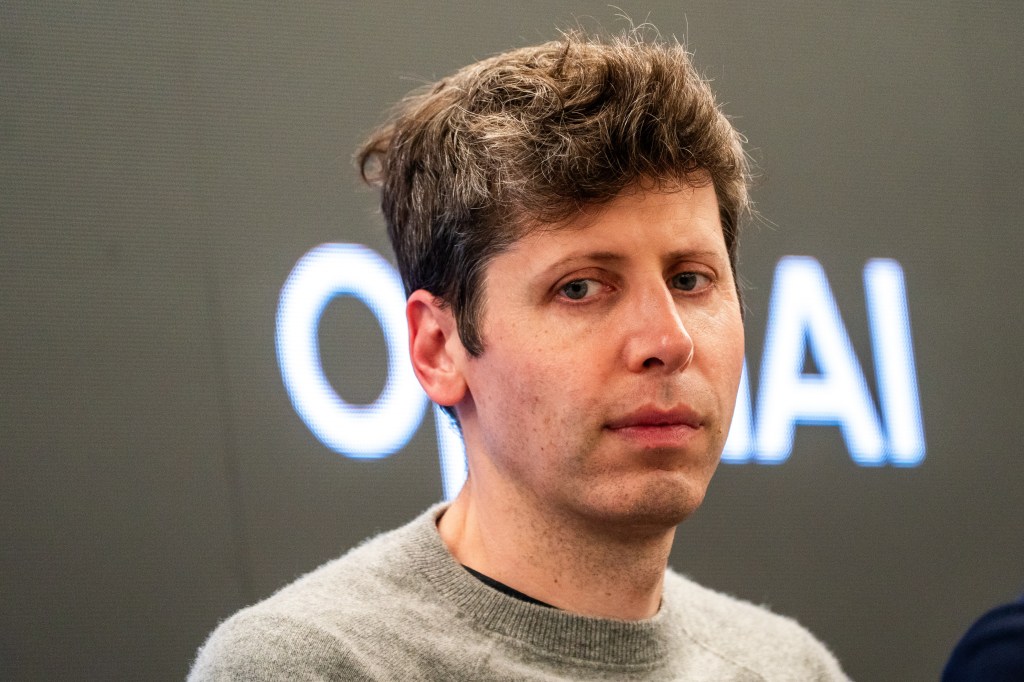
In a significant development within the artificial intelligence (AI) sector, OpenAI’s Chief Executive Officer, Sam Altman, has announced a pivotal agreement with the United States Department of Defense (DoD). This partnership grants the DoD access to OpenAI’s advanced AI models within its classified networks, marking a substantial step in integrating cutting-edge AI technologies into national defense operations.
Contextual Background:
This collaboration emerges against a backdrop of heightened tensions between the DoD and various AI enterprises, notably Anthropic. The Pentagon has been advocating for AI companies to permit the utilization of their models for all lawful purposes. In contrast, Anthropic has expressed reservations, particularly concerning applications involving mass domestic surveillance and the deployment of fully autonomous weaponry.
Anthropic’s CEO, Dario Amodei, articulated the company’s stance, emphasizing that while they do not object to specific military operations, they believe that in certain scenarios, AI could potentially undermine democratic values rather than uphold them. This perspective underscores the ethical complexities inherent in deploying AI technologies within military contexts.
The discord between Anthropic and the Pentagon has elicited reactions from various quarters. A collective of over 60 OpenAI employees, alongside 300 Google employees, have endorsed an open letter urging their organizations to align with Anthropic’s position, highlighting a growing concern within the tech community regarding the ethical deployment of AI in defense scenarios.
Governmental Response:
The impasse between Anthropic and the DoD has prompted decisive actions from the highest levels of government. President Donald Trump publicly criticized Anthropic, referring to them as Leftwing nut jobs, and directed federal agencies to discontinue the use of Anthropic’s products, allowing a six-month period for this transition. Further intensifying the situation, Secretary of Defense Pete Hegseth accused Anthropic of attempting to seize veto power over the operational decisions of the United States military. He announced the designation of Anthropic as a supply-chain risk, effectively barring any military-affiliated contractor, supplier, or partner from engaging in commercial activities with the company.
In response, Anthropic has stated that they have not received direct communication from the Department of War or the White House regarding the status of their negotiations. The company has expressed its intention to legally challenge any supply-chain risk designation, signaling a readiness to defend its position through judicial avenues.
OpenAI’s Position and Safeguards:
Amidst this contentious environment, OpenAI’s agreement with the Pentagon stands out, particularly due to the inclusion of specific technical safeguards. Sam Altman has emphasized that the contract incorporates protections addressing critical ethical concerns, notably prohibitions on domestic mass surveillance and ensuring human accountability in the use of force, including the deployment of autonomous weapon systems. These principles are not only enshrined in the agreement but are also reflected in existing laws and policies, underscoring a commitment to ethical AI deployment.
To operationalize these safeguards, OpenAI plans to implement technical measures designed to ensure that their AI models function as intended, adhering to the established ethical guidelines. Additionally, OpenAI will deploy engineers to collaborate directly with the Pentagon, providing expertise to facilitate the safe and effective integration of AI technologies into defense operations.
Altman has also advocated for the Department of War to extend these terms to all AI companies, suggesting that such agreements could serve as a standard for ethical AI deployment in military contexts. He expressed a strong desire to de-escalate the situation away from legal confrontations and towards reasonable agreements that balance innovation with ethical considerations.
Industry Implications and Future Outlook:
This development signifies a pivotal moment in the intersection of AI technology and national defense. The inclusion of explicit ethical safeguards in the OpenAI-Pentagon agreement sets a precedent for future collaborations between AI companies and military institutions. It highlights the necessity of balancing technological advancement with ethical responsibility, ensuring that AI applications in defense are aligned with democratic values and human rights.
The broader industry is likely to observe this partnership closely, as it may influence future policies and agreements. Companies operating in the AI space may need to navigate complex ethical landscapes, balancing innovation with the imperative to prevent misuse of their technologies. The OpenAI-Pentagon agreement could serve as a model for how such collaborations can be structured to address ethical concerns proactively.
Conclusion:
OpenAI’s agreement with the Department of Defense, characterized by its inclusion of technical safeguards, represents a significant step in the responsible integration of AI technologies into national defense. By addressing critical ethical concerns and establishing clear guidelines for the use of AI in military contexts, this partnership exemplifies how innovation can be harmonized with ethical responsibility. As the AI industry continues to evolve, such agreements may become essential in ensuring that technological advancements serve to uphold, rather than undermine, democratic values and human rights.