OpenAI Introduces Ads in ChatGPT’s Free and Go Tiers
OpenAI has announced the initiation of advertising within ChatGPT for users subscribed to its Free and Go plans in the United States. The Go plan, a recent addition priced at $8 per month, was launched globally in mid-January. Users subscribed to higher-tier plans—Plus, Pro, Business, Enterprise, and Education—will continue to experience an ad-free environment.
Addressing potential concerns about the integration of ads, OpenAI emphasized that advertisements will not influence ChatGPT’s responses. The company assured users that their conversations remain confidential and are not shared with advertisers. The primary objective is to utilize advertising revenue to enhance access to advanced ChatGPT features while preserving user trust.
The decision to incorporate ads has sparked reactions from competitors. Anthropic, a rival AI firm, aired Super Bowl commercials that satirized the inclusion of ads in AI platforms, depicting scenarios where poorly integrated advertisements disrupt user interactions. OpenAI’s CEO, Sam Altman, responded by labeling these ads as dishonest and criticized Anthropic’s approach.
Historically, users have shown resistance to advertisements within AI platforms. OpenAI previously faced backlash when testing app suggestions that resembled unsolicited ads. Despite this, the company recognizes the necessity of generating revenue to support the ongoing development and expansion of its technology.
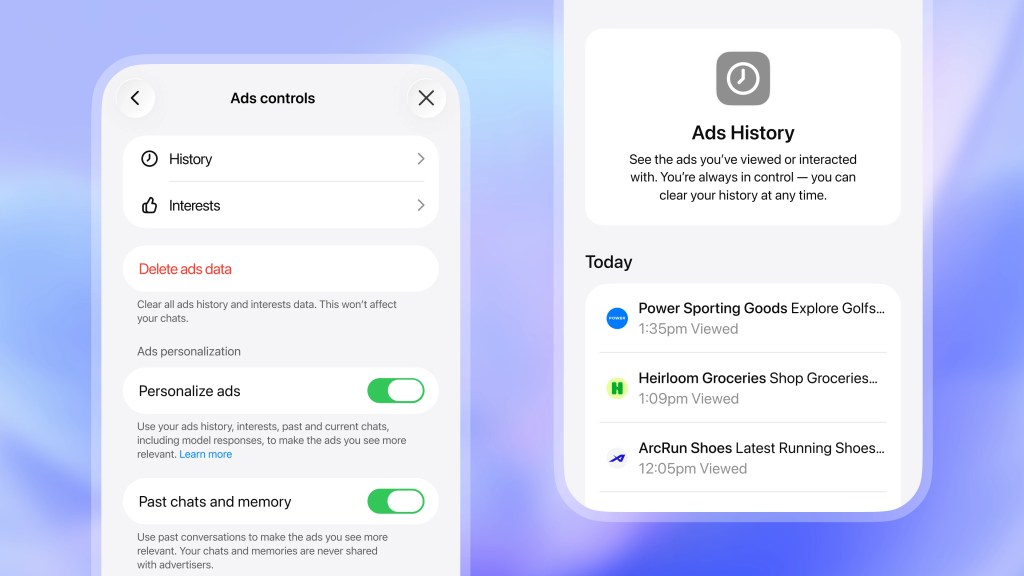
To mitigate concerns about ad influence, OpenAI has clarified that advertisements will be tailored to be as helpful as possible, always clearly marked as sponsored content, and kept separate from organic responses. During testing phases, ads were matched to users based on conversation topics, past interactions, and previous ad engagements. For example, users seeking recipes might encounter ads for grocery delivery services or meal kits. Importantly, advertisers will not have access to individual user data but will receive aggregated performance metrics such as views and clicks.
Users will have control over their ad interactions, with options to dismiss ads, provide feedback, understand why specific ads are shown, and manage personalization settings. Additionally, ads will not be displayed to users under 18 years old and will be excluded from sensitive topics like health, politics, or mental health.
This strategic move by OpenAI reflects a broader trend in the tech industry, where companies are exploring advertising as a revenue stream within AI-driven platforms. The challenge lies in balancing monetization efforts with maintaining a seamless and trustworthy user experience.