Nvidia’s Strategic Shift: Reevaluating Investments in OpenAI and Anthropic
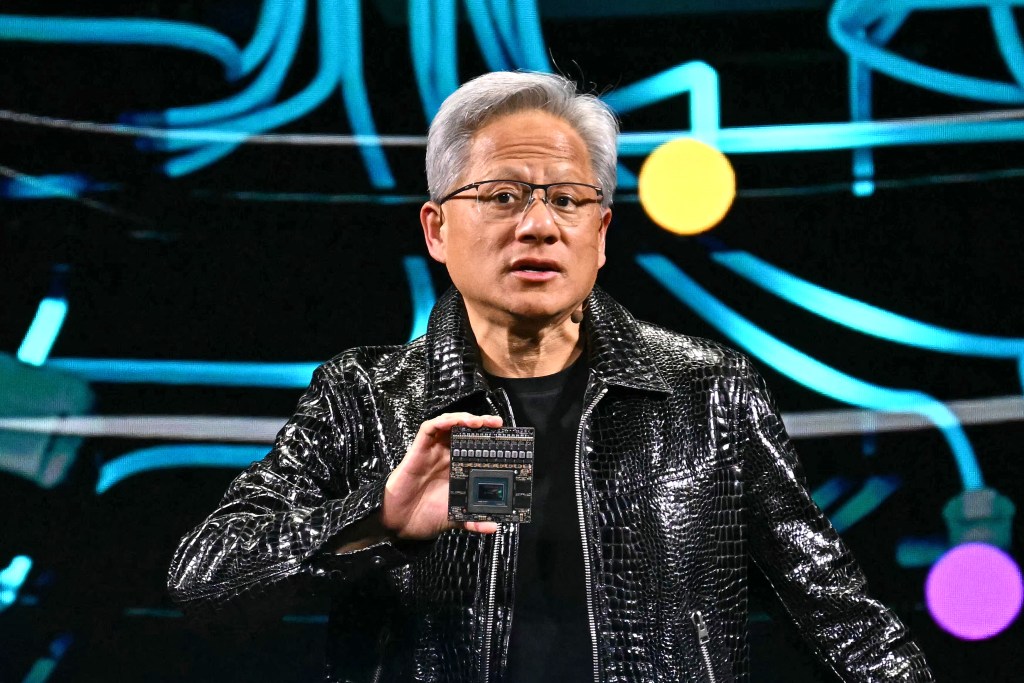
At the recent Morgan Stanley Technology, Media, and Telecom conference in San Francisco, Nvidia’s CEO, Jensen Huang, announced a significant shift in the company’s investment strategy concerning leading AI firms OpenAI and Anthropic. Huang indicated that Nvidia’s recent financial commitments to these companies are likely to be its last, attributing this decision to their impending public offerings. He stated that once these companies go public, the opportunity for further investment diminishes.
This move has sparked discussions within the tech community, as it deviates from the common practice of firms increasing investments in companies approaching their public debuts to maximize returns. Nvidia, however, has been profiting substantially from selling the advanced chips that power both OpenAI and Anthropic’s AI models, reducing the necessity for additional financial stakes.
When pressed for further details, Nvidia referred to a transcript from its fourth-quarter earnings call. In it, Huang emphasized that Nvidia’s investments are strategically aimed at expanding and deepening its ecosystem reach—a goal that the company’s previous investments in OpenAI and Anthropic have already achieved.
Several factors may have influenced Nvidia’s decision to scale back its investments:
1. Circular Investment Concerns: The intertwined financial relationships between Nvidia and these AI firms have raised eyebrows. For instance, when Nvidia initially announced plans to invest up to $100 billion in OpenAI, MIT Sloan professor Michael Cusumano described the arrangement as kind of a wash, noting that Nvidia’s investment in OpenAI stock was mirrored by OpenAI’s commitment to purchasing a similar amount in Nvidia chips. Such circular investments can lead to conflicts of interest and potential regulatory scrutiny.
2. Reduced Investment Commitments: Nvidia’s actual investment in OpenAI was significantly less than initially pledged. The finalized investment amounted to $30 billion, a substantial reduction from the proposed $100 billion. This scaling back suggests a more cautious approach, possibly due to concerns about overvaluation or the sustainability of such large investments.
3. Tensions with Anthropic: Nvidia’s relationship with Anthropic has experienced strains. Shortly after Nvidia’s $10 billion investment in Anthropic, the latter’s CEO, Dario Amodei, made a controversial statement at the World Economic Forum in Davos. Without naming Nvidia directly, Amodei compared the sale of high-performance AI processors to certain countries to selling nuclear weapons to North Korea. This analogy highlighted concerns about the ethical implications of AI technology distribution and may have contributed to Nvidia’s decision to distance itself.
4. Regulatory Challenges: The U.S. government’s recent actions have further complicated the landscape. The Trump administration blacklisted Anthropic, preventing federal agencies and military contractors from utilizing its technology. This decision came after Anthropic refused to allow its AI models to be used for autonomous weapons or mass domestic surveillance. Such regulatory interventions can impact the viability and attractiveness of continued investments.
In light of these developments, Nvidia’s decision to pull back from further investments in OpenAI and Anthropic appears to be a strategic move to navigate the complex and evolving AI industry landscape. By focusing on its core competencies—developing and selling advanced AI hardware—Nvidia aims to maintain its leadership position without becoming entangled in the operational and ethical challenges faced by AI software companies.
This strategic shift underscores the importance of adaptability in the rapidly changing tech industry. As AI continues to evolve and integrate into various sectors, companies like Nvidia must balance innovation with ethical considerations and regulatory compliance. By reassessing its investment strategies, Nvidia demonstrates a commitment to sustainable growth and responsible participation in the AI ecosystem.