TerraPower’s Natrium Reactor: Pioneering the Future of Nuclear Energy
In a landmark decision, the Nuclear Regulatory Commission (NRC) has granted TerraPower, a nuclear innovation company founded by Bill Gates in 2015, the authorization to construct a new nuclear reactor adjacent to an aging coal-fired power plant in Wyoming. This approval marks the first issued by the NRC in nearly a decade, signifying a pivotal moment in the evolution of nuclear energy.
TerraPower’s forthcoming facility will feature the Natrium reactor, developed in collaboration with GE Vernova Hitachi. Designed to produce 345 megawatts of electricity, the Natrium reactor is approximately two-thirds the size of contemporary full-scale reactors but significantly larger than many small modular reactors (SMRs) currently under development. This intermediate scale positions Natrium as a versatile solution in the nuclear energy landscape.
Innovative Design and Safety Enhancements
A distinguishing feature of the Natrium reactor is its use of molten sodium as a coolant, diverging from the traditional water-cooled systems that have dominated the industry for the past half-century. TerraPower asserts that this design choice enhances safety, as molten sodium operates at lower pressures and higher temperatures, reducing the risk of steam explosions and improving thermal efficiency. Notably, this is the first NRC approval for a commercial reactor utilizing a non-water coolant in over 40 years.
The reactor’s design incorporates an excess of molten sodium stored in large, insulated tanks. This configuration allows the reactor to continue nuclear fission processes during periods of low electricity demand, storing the generated thermal energy in the molten sodium. When demand increases, the stored heat can be converted into electricity, effectively balancing fluctuations in renewable energy sources like wind and solar. By maintaining consistent operation near full capacity, this approach aims to reduce generating costs and enhance grid stability.
Regulatory Milestone and Industry Implications
The NRC’s approval is particularly noteworthy because TerraPower adhered to the traditional permitting process, securing permission to build on private property. This contrasts with recent Department of Energy (DOE) initiatives that have relaxed safety regulations, applicable only to DOE-owned lands. TerraPower’s successful navigation of the established regulatory framework sets a precedent for future nuclear projects on private sites.
TerraPower is among several nuclear startups receiving substantial backing from technology companies and their founders. As the demand for electricity from data centers and other tech-driven infrastructures escalates, the current administration faces increasing pressure to expand generating capacity, including through the development of new nuclear reactors.
Investors have responded to these trends by channeling over $1 billion into nuclear startups in recent months. TerraPower alone has secured a total of $1.7 billion in funding, including a $650 million round that concluded in June, as reported by PitchBook.
Challenges and Future Prospects
Despite the growing momentum, the nuclear power sector continues to confront significant challenges. Historically, nuclear energy has been one of the most expensive forms of new generating capacity. This is partly due to cost overruns associated with large-scale power plants and the rapid advancements in cost reduction achieved by solar, wind, and battery technologies over recent years.
Nuclear startups are optimistic that mass manufacturing can help control capital expenditures. However, this strategy remains unproven, and realizing cost savings through manufacturing efficiencies typically requires a decade or more to materialize.
The Broader Context of Nuclear Energy Expansion
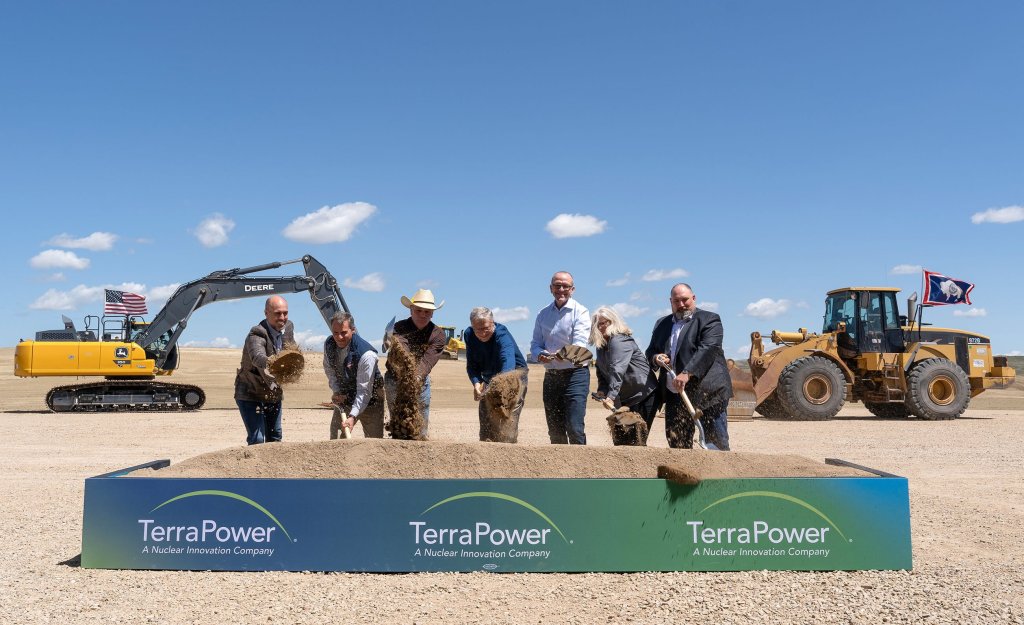
The approval of TerraPower’s Natrium reactor is part of a broader resurgence in nuclear energy initiatives. For instance, in June 2025, TerraPower commenced construction of its first power plant in Wyoming, with plans to complete the reactor within three years after the initial concrete pour. The project is estimated to cost around $4 billion, with the Department of Energy potentially covering half of the expenses.
Other tech giants are also investing in nuclear energy to meet their growing power needs. In September 2024, Microsoft entered into a significant agreement with Constellation Energy to purchase power from the Three Mile Island Unit 1 nuclear plant, which had been inactive since 2019. Constellation plans to invest $1.6 billion to revive the plant by 2028, with Microsoft committing to a 20-year purchase of the plant’s 835-megawatt capacity.
Similarly, in June 2025, Meta announced a substantial investment to keep the Clinton Clean Energy Center, a 1.1-gigawatt nuclear power plant in Illinois, operational through 2047. While the electricity will continue to flow to the local grid, Meta’s purchase of the plant’s clean energy attributes is a strategic move to reduce its overall carbon footprint.
In May 2025, Google partnered with Elementl Power to develop three sites for advanced nuclear reactors, each expected to generate at least 600 megawatts. This collaboration underscores the tech industry’s commitment to securing reliable and carbon-free energy sources to support their expanding operations.
Conclusion
The NRC’s approval of TerraPower’s Natrium reactor represents a significant advancement in the pursuit of innovative and safer nuclear energy solutions. By integrating cutting-edge design features and securing substantial investment, TerraPower is poised to contribute meaningfully to the diversification and sustainability of the global energy portfolio. As the energy demands of the technology sector continue to rise, such developments are crucial in meeting future needs while addressing environmental concerns.