Novo Nordisk’s ‘I’m a Mac’ Parody Falls Flat: A Misguided Attempt at Nostalgic Advertising
In a recent marketing endeavor, Novo Nordisk, the Danish pharmaceutical giant behind Ozempic, has attempted to revive the iconic I’m a Mac advertising format. This campaign reunites actors Justin Long and John Hodgman, who originally portrayed the Mac and PC characters, respectively, in Apple’s celebrated commercials from 2006 to 2009. However, this latest iteration has been met with criticism for its lack of originality and humor.
A Nostalgic Rehash
The original Get a Mac campaign was lauded for its clever and effective portrayal of the Mac’s advantages over PCs. The dynamic between Long’s cool, collected Mac and Hodgman’s bumbling PC resonated with audiences, contributing to a significant boost in Apple’s market share during that period. Recognizing the enduring appeal of this format, Novo Nordisk sought to leverage it to promote Ozempic, a medication for Type 2 diabetes.
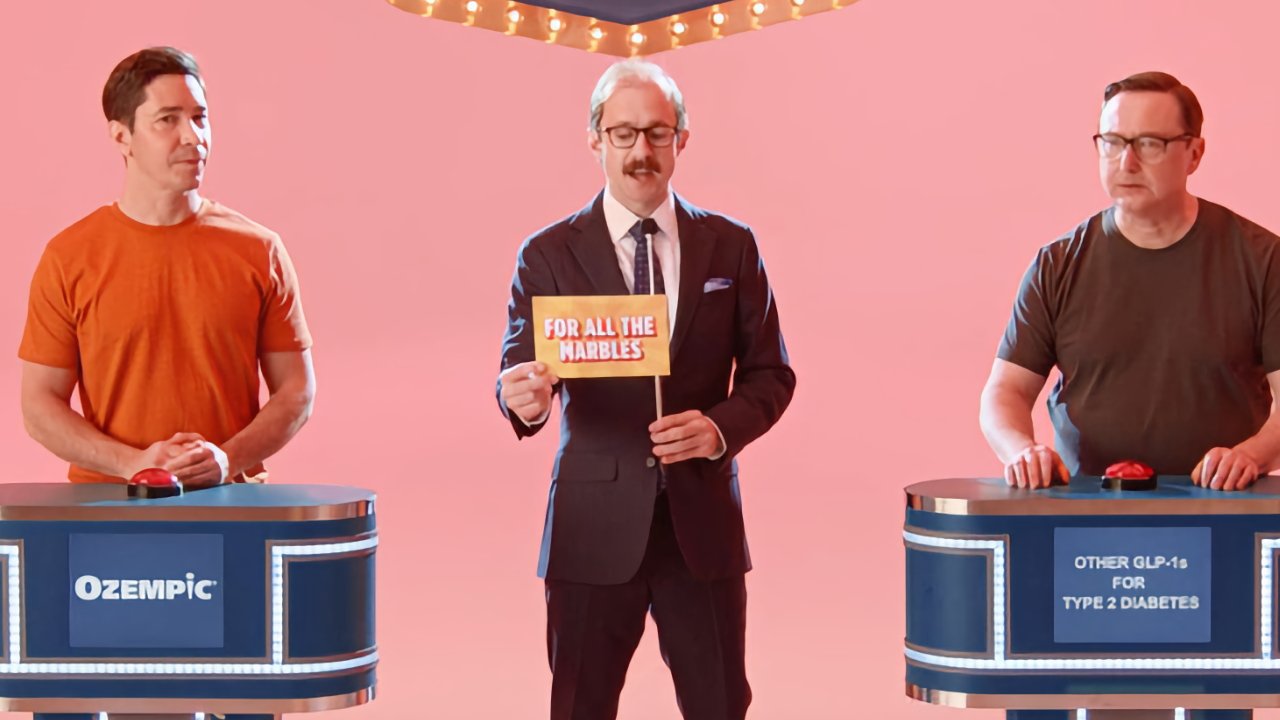
In the new advertisement, Long and Hodgman reprise their roles in a game show setting, with Long representing Ozempic and Hodgman embodying Other GLP-1s for Type 2 Diabetes. The host poses a question about drug approvals, to which Hodgman’s character eagerly responds, only to be corrected by Long’s Ozempic. The attempt to infuse humor into the discussion of medical treatments, however, falls short, leaving viewers unimpressed.
The Pitfalls of Imitation
This is not the first time companies have attempted to mimic the I’m a Mac format. Microsoft, for instance, launched the I’m a PC campaign in 2008, aiming to reclaim the narrative. Despite featuring high-profile personalities like Jerry Seinfeld and Bill Gates, the campaign was criticized for its lack of originality and effectiveness. Similarly, Qualcomm’s 2024 advertisement featuring Justin Long was perceived as a forced and unconvincing attempt to capitalize on the actor’s association with the original Apple ads.
The recurring theme among these imitations is a failure to capture the essence that made the original campaign successful. The Get a Mac ads were not only humorous but also highlighted genuine advantages of Macs over PCs, resonating with consumers’ experiences. In contrast, these parodies often come across as disingenuous and fail to establish a meaningful connection with the audience.
The Risk of Overreliance on Nostalgia
While nostalgia can be a powerful tool in marketing, overreliance on past successes without adding fresh perspectives can lead to lackluster results. Novo Nordisk’s attempt to repurpose a decades-old advertising format without significant innovation underscores the importance of originality in marketing strategies. Audiences today are more discerning and expect campaigns that are not only engaging but also authentic and relevant to current contexts.
Conclusion
Novo Nordisk’s recent advertisement serves as a cautionary tale for marketers. While drawing inspiration from successful campaigns of the past is not inherently problematic, it is crucial to infuse such efforts with originality and relevance. Simply rehashing old formats without meaningful innovation is unlikely to resonate with modern audiences and may even detract from the brand’s credibility.