Nothing Ventures into AI Smart Glasses: A Bold Leap into Wearable Technology
In a significant strategic shift, Nothing, the innovative tech company renowned for its distinctive smartphones and audio devices, is preparing to enter the wearable technology market with the development of AI-powered smart glasses. This move marks a departure from the company’s initial reluctance to explore this sector, signaling a new direction under the leadership of CEO Carl Pei.
A Change in Perspective
Initially, Nothing’s leadership was hesitant to venture into the smart glasses arena. However, as the landscape of wearable technology evolved and competitors like Google and Samsung began investing heavily in augmented reality (AR) and extended reality (XR) devices, the company reassessed its position. According to a Bloomberg report citing unnamed industry sources, Nothing now plans to release its AI smart glasses in 2027. This decision reflects a broader strategy to diversify its product offerings and stay competitive in a rapidly changing tech environment.
Anticipated Features and Design
While specific details about the smart glasses remain scarce, preliminary reports suggest that the device will include a microphone, speakers, and cameras. Notably, there is no confirmation regarding the inclusion of a display, which could indicate a focus on audio and voice-controlled functionalities. This design choice aligns with Nothing’s reputation for creating products that blend minimalist aesthetics with innovative features.
The smart glasses are expected to rely on smartphones and cloud services for AI processing, suggesting that they will function as extensions of existing mobile devices rather than standalone units. This approach could enhance the user experience by leveraging the processing power and connectivity of smartphones, potentially positioning the glasses as proprietary companions to Nothing’s own phone lineup.
Strategic Implications
CEO Carl Pei’s initial resistance to developing smart glasses has reportedly shifted, with internal communications indicating a renewed focus on expanding the company’s product portfolio beyond its current offerings. This strategic pivot is likely influenced by the growing interest in wearable technology and the potential for AI integration to create more personalized and intuitive user experiences.
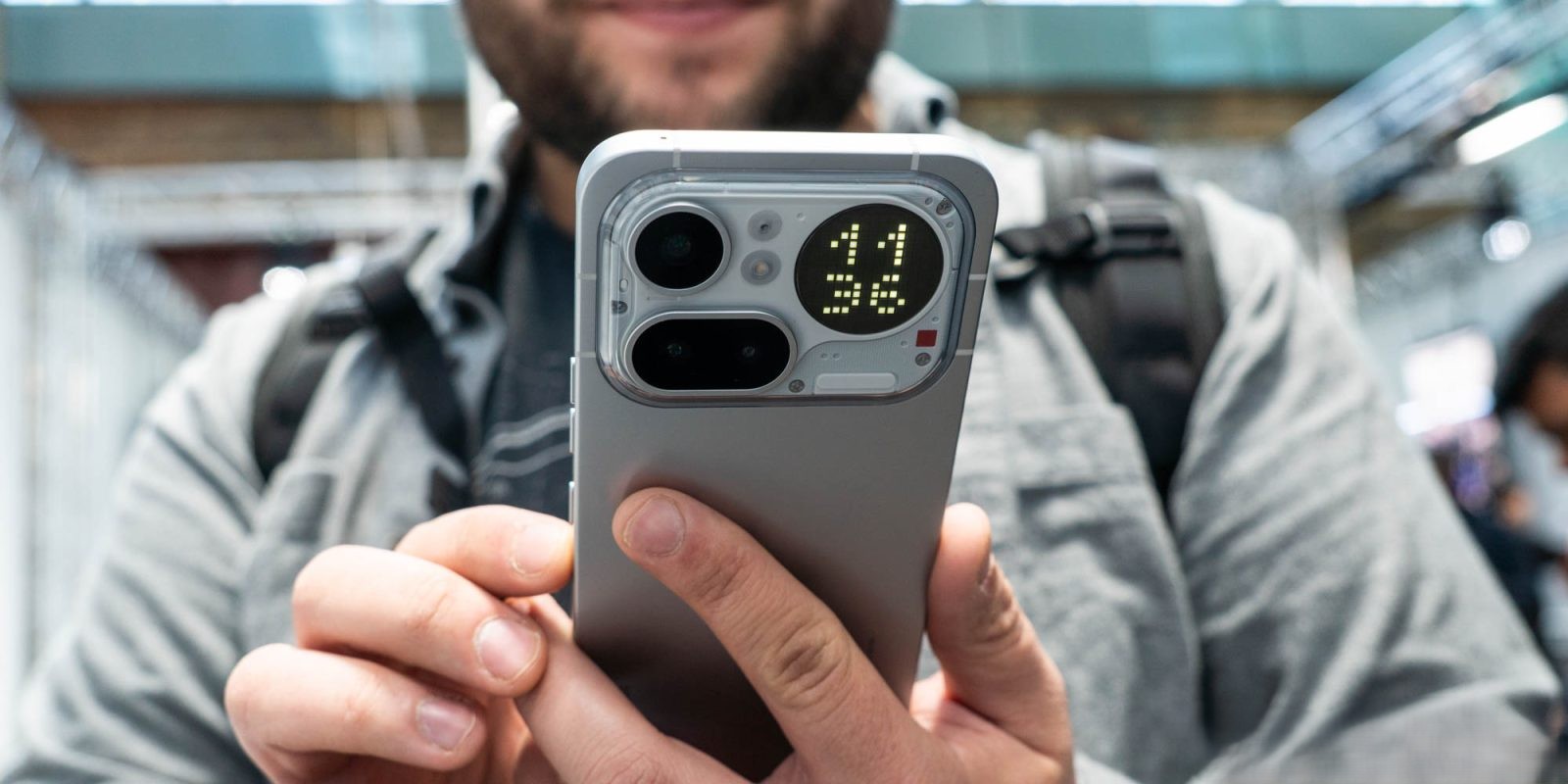
Nothing’s current product range includes audio devices and Android smartphones, such as the recently announced Nothing Phone 4(a). These products are distinguished by their unique designs, featuring LED strips and unconventional camera setups. It is anticipated that the smart glasses will continue this trend, offering a design that stands out in the market.
Market Context and Competition
The wearable technology market is becoming increasingly competitive, with major players like Samsung and Google developing their own smart glasses under the Android XR umbrella. Samsung’s Galaxy Glasses have been leaked, and Google’s Android XR glasses are reportedly in development. Nothing’s entry into this space suggests a commitment to innovation and a desire to carve out a niche in the burgeoning field of AI-integrated wearables.
The success of Nothing’s smart glasses will likely depend on their ability to differentiate themselves through design and functionality. Given the company’s track record of creating products with unique aesthetics and user experiences, there is potential for these glasses to make a significant impact.
Looking Ahead
As the development of AI smart glasses progresses, industry observers will be keen to see how Nothing integrates AI agents into the user experience. Previous statements from the company have emphasized a shift from traditional AI assistants to more proactive AI agents, which could offer users a more seamless and intuitive interaction with their devices.
While specific details about the design and software of the smart glasses are still under wraps, the anticipation surrounding this product underscores the growing importance of AI and wearable technology in the consumer electronics market. Nothing’s foray into this space reflects a broader trend of tech companies seeking to innovate and diversify their offerings to meet evolving consumer demands.