Article Title: Rediscovering the Internet’s Golden Era: A Nostalgic Look at 2016
In recent times, a wave of nostalgia has swept across social media platforms, with many users reminiscing about the year 2016. This period is often referred to as the last good year, symbolizing a time before the internet became inundated with overwhelming content and algorithm-driven feeds.
The Rise of 2016 Nostalgia
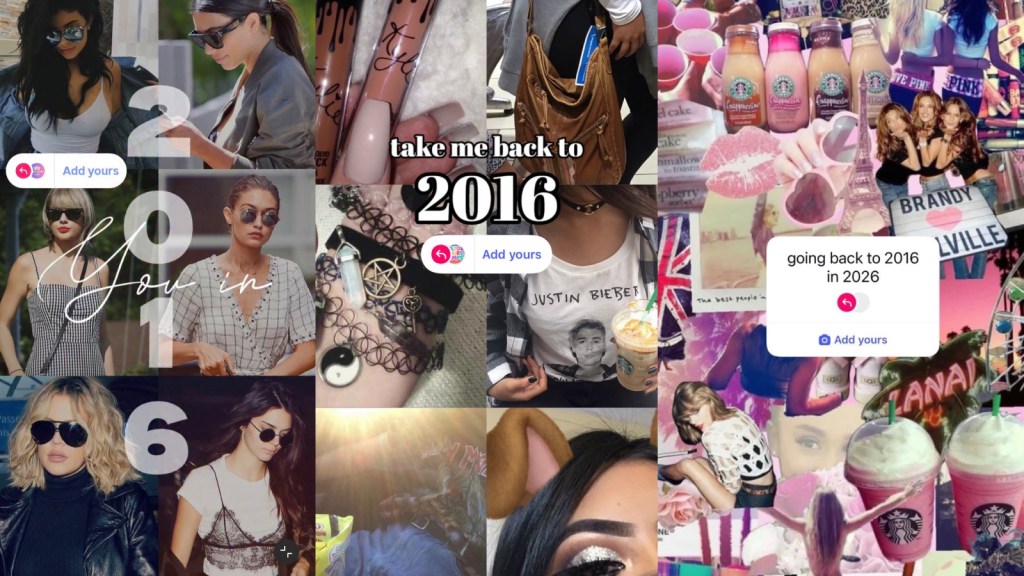
Since the beginning of the new year, Instagram has been flooded with a 2016-themed add yours sticker, encouraging users to share throwback photos from that year. This trend has garnered over 5.2 million responses, sparking discussions across various platforms. Spotify has also seen a 790% increase in user-generated 2016 playlists, even updating its Instagram bio to state it’s romanticizing 2016 again.
A Simpler Digital Landscape
Reflecting on 2016, it’s evident that the internet landscape was markedly different. Social media platforms were less saturated with content, and users had more control over their feeds. The term enshittification, describing the decline in quality due to algorithmic interference, had not yet become prevalent. This period represents a time before artificial intelligence and complex algorithms dominated online experiences.
The Evolution of Internet Culture
To understand the significance of 2016, it’s essential to look back at 2006, a pivotal year when platforms like Twitter launched, Google acquired YouTube, and Facebook opened its doors to a broader audience. This era marked the transition from niche online communities to mainstream social media usage. By 2016, the internet had evolved into a space where pop culture and online culture intertwined seamlessly.
The Shift Towards Analog Experiences
The current nostalgia for 2016 aligns with a broader movement towards more authentic, analog experiences. As social media becomes increasingly central to daily life, many individuals yearn for a time before the concept of doomscrolling became commonplace. This sentiment has led to a resurgence in activities like in-person events and the use of point-and-shoot digital cameras, reflecting a desire to reconnect with simpler times.
Conclusion
While 2016 had its share of global challenges, the current nostalgia highlights a longing for an internet era characterized by genuine connections and less algorithmic interference. As we navigate the complexities of today’s digital world, reflecting on this period offers valuable insights into the evolving relationship between technology and human experience.