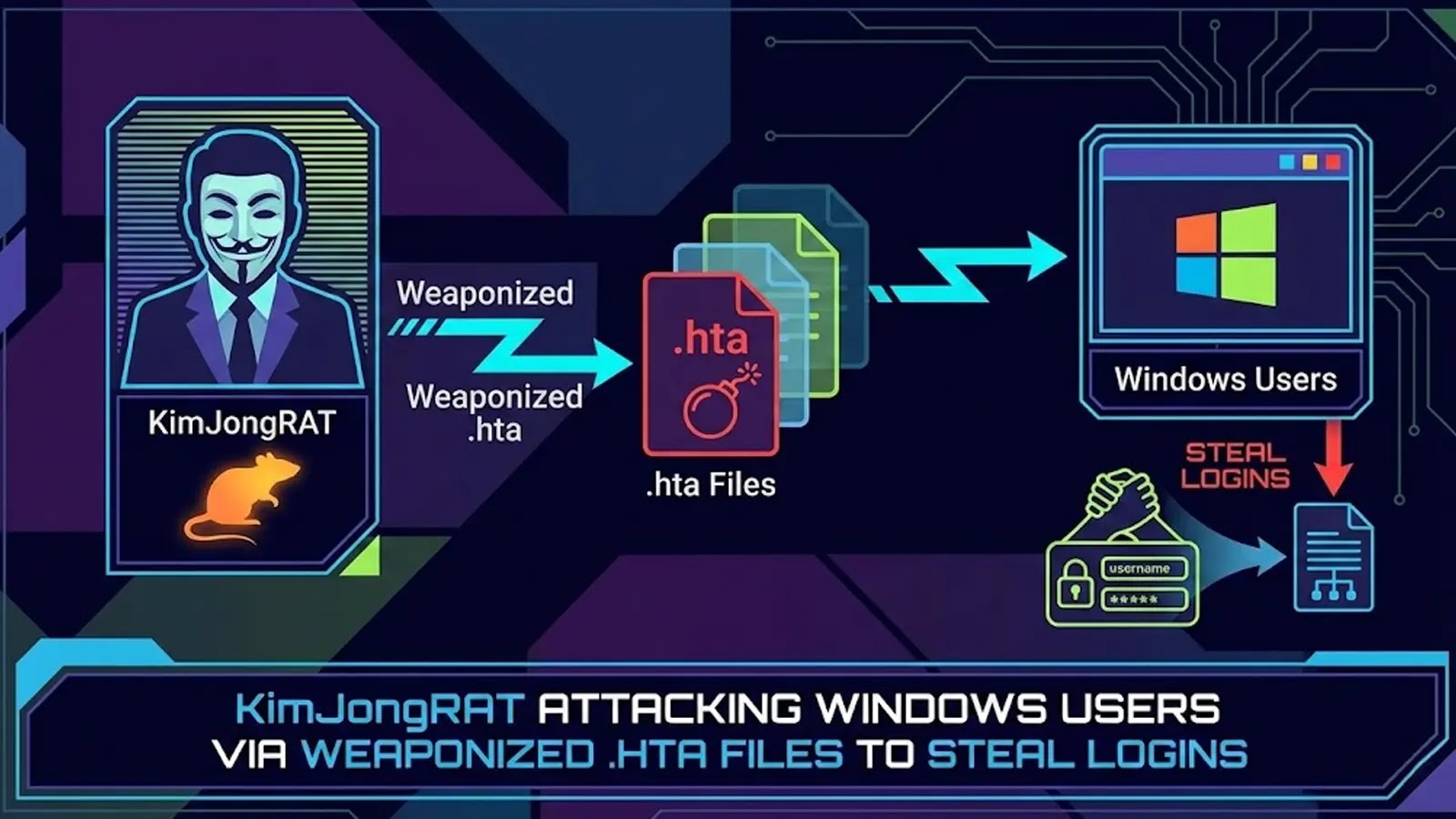
North Korean cyber actors, notably the group identified as UNC4899, have been implicated in sophisticated cyberattacks targeting the cryptocurrency and blockchain sectors. These operations have resulted in substantial financial losses and underscore the evolving tactics employed by state-sponsored hackers.
UNC4899’s Modus Operandi
UNC4899, also known by aliases such as Jade Sleet, PUKCHONG, Slow Pisces, and TraderTraitor, has been active since at least 2020. The group primarily focuses on infiltrating organizations within the cryptocurrency and blockchain industries. Their operations often involve elaborate social engineering schemes, including:
– Job Lures: Posing as recruiters or potential employers, they approach individuals via platforms like LinkedIn and Telegram, offering lucrative freelance opportunities.
– Malware Deployment: Victims are persuaded to execute malicious Docker containers or other infected files, leading to unauthorized access to their systems.
– Cloud Account Exploitation: By obtaining credentials, the group gains access to cloud environments such as Google Cloud and Amazon Web Services (AWS), facilitating further malicious activities.
Notable Incidents
UNC4899’s operations have led to several high-profile cryptocurrency thefts:
– Axie Infinity Breach (March 2022): The group orchestrated a cyberattack resulting in the theft of approximately $625 million.
– DMM Bitcoin Heist (May 2024): A sophisticated operation led to the exfiltration of $308 million.
– Bybit Compromise (February 2025): The attackers managed to steal a staggering $1.4 billion, marking one of the largest cryptocurrency thefts to date.
Technical Exploits and Vulnerabilities
The group’s success is partly attributed to their exploitation of vulnerabilities in widely-used file-sharing protocols:
– AirDrop Vulnerabilities: Research has revealed that flaws in Apple’s AirDrop could expose users’ contact information to unauthorized parties. Attackers within Wi-Fi range can potentially access phone numbers and email addresses, facilitating targeted phishing attacks. ([thehackernews.com](https://thehackernews.com/2021/04/apple-airdrop-bug-could-leak-your.html?utm_source=openai))
– Quick Share Exploits: Google’s Quick Share utility has also been found to contain multiple security flaws. These vulnerabilities could allow attackers to execute arbitrary code on Windows systems, leading to unauthorized file transfers and potential system compromises. ([thehackernews.com](https://thehackernews.com/2024/08/researchers-uncover-10-flaws-in-googles.html?utm_source=openai))
Operational Security Lapses
Despite their sophistication, UNC4899 has experienced operational security (OPSEC) failures:
– JumpCloud Incident (June 2023): An OPSEC blunder exposed the group’s actual IP address during an attack on JumpCloud, a cloud directory platform. This misstep provided cybersecurity researchers with valuable insights into the group’s infrastructure and tactics. ([thehackernews.com](https://thehackernews.com/2023/07/north-korean-nation-state-actors.html?utm_source=openai))
Implications and Recommendations
The activities of UNC4899 highlight the persistent threat posed by state-sponsored cyber actors to the cryptocurrency sector. Organizations and individuals are advised to:
– Enhance Security Protocols: Implement multi-factor authentication and regular security audits to detect and mitigate potential vulnerabilities.
– Educate Personnel: Conduct training sessions to raise awareness about social engineering tactics and phishing schemes.
– Monitor Network Activity: Utilize advanced threat detection systems to identify and respond to suspicious activities promptly.
By adopting these measures, stakeholders can bolster their defenses against the evolving strategies employed by groups like UNC4899.