NHTSA Intensifies Investigation into Tesla’s Full Self-Driving Software Amid Rising Safety Concerns
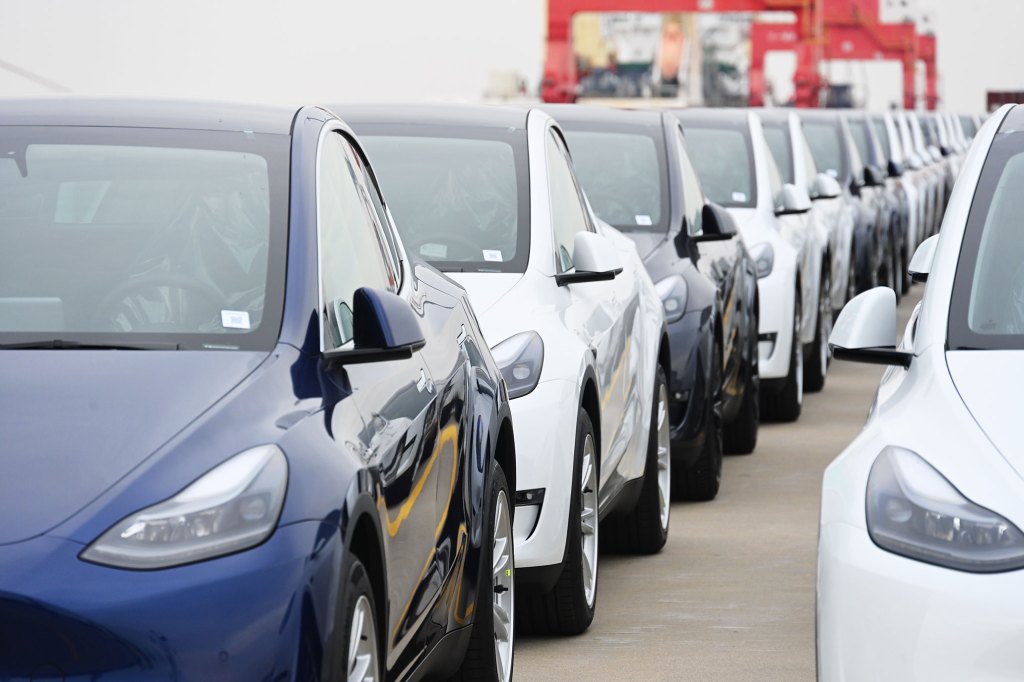
The National Highway Traffic Safety Administration (NHTSA) has escalated its scrutiny of Tesla’s Full Self-Driving (FSD) software following a surge in reported incidents where the system allegedly violated traffic laws. A recent letter from NHTSA to Tesla highlights at least 80 instances where FSD-equipped vehicles ran red lights or veered into incorrect lanes. This marks a significant increase from the approximately 50 violations cited when the agency initiated its investigation in October.
Details of the Investigation
NHTSA’s Office of Defects Investigation (ODI) is examining whether Tesla’s FSD software can accurately detect and appropriately respond to traffic signals, signs, and lane markings. The agency is also assessing if the software provides adequate warnings to drivers in these situations. Tesla has been requested to submit detailed information by January 19, 2026, including data on the number of vehicles equipped with FSD, the frequency of software engagement, and any customer complaints related to these issues.
Geographical Distribution of Incidents
The initial batch of complaints included multiple reports from a specific intersection in Joppa, Maryland. Tesla had previously informed NHTSA that it had addressed the issue at this location. However, the recent letter does not specify the geographical distribution of the newly reported incidents, leaving it unclear whether these issues are widespread or localized.
Tesla’s Response and Public Statements
In the same week that NHTSA sent its letter, Tesla CEO Elon Musk claimed on social media platform X that the latest version of FSD would allow drivers to text while using the driver assistance software—a practice that is illegal in nearly every state. NHTSA has not yet responded to requests for comment regarding Musk’s statement.
Previous Investigations and Ongoing Concerns
This is the second investigation NHTSA has launched into Tesla’s FSD software. In October 2024, the agency began probing how FSD handles low-visibility situations, such as fog or extreme sunlight. The current investigation underscores ongoing concerns about the safety and reliability of Tesla’s autonomous driving features.
Implications for Tesla and Autonomous Driving Technology
The outcome of NHTSA’s investigation could have significant implications for Tesla and the broader autonomous vehicle industry. If the FSD software is found to be deficient in detecting and responding to traffic signals and lane markings, it may prompt regulatory actions, including potential recalls or software updates. This situation also highlights the challenges and responsibilities associated with deploying autonomous driving technologies on public roads.
Conclusion
As Tesla continues to push the boundaries of autonomous driving, the increasing number of complaints and federal investigations serve as a reminder of the critical importance of safety and regulatory compliance. The automotive industry and regulators alike will be closely monitoring the developments of this investigation to ensure that advancements in technology do not come at the expense of public safety.