New York State Embraces Robotaxis, Excluding New York City
In a significant move towards modernizing transportation, New York Governor Kathy Hochul has announced plans to introduce legislation that would legalize the operation of autonomous taxis, commonly known as robotaxis, throughout the state. However, this initiative notably excludes New York City, the state’s most populous urban center.
During her recent State of the State address, Governor Hochul emphasized the importance of advancing the state’s autonomous vehicle (AV) pilot program. While specific details of the proposed legislation remain forthcoming, a document accompanying her address provides some insights. The plan aims to expand the existing AV pilot program to permit the limited deployment of commercial for-hire autonomous passenger vehicles outside New York City.
Companies interested in launching robotaxi services will be required to submit applications demonstrating local support for AV deployment and adherence to stringent safety standards. The exact definitions of limited deployment and highest possible safety standards are yet to be clarified. Multiple state agencies, including the Department of Motor Vehicles, Department of Transportation, and New York State Police, will oversee the evaluation and monitoring of these services.
The governor’s office has indicated that more comprehensive details will be included in the upcoming executive budget proposal, scheduled for release on January 20.
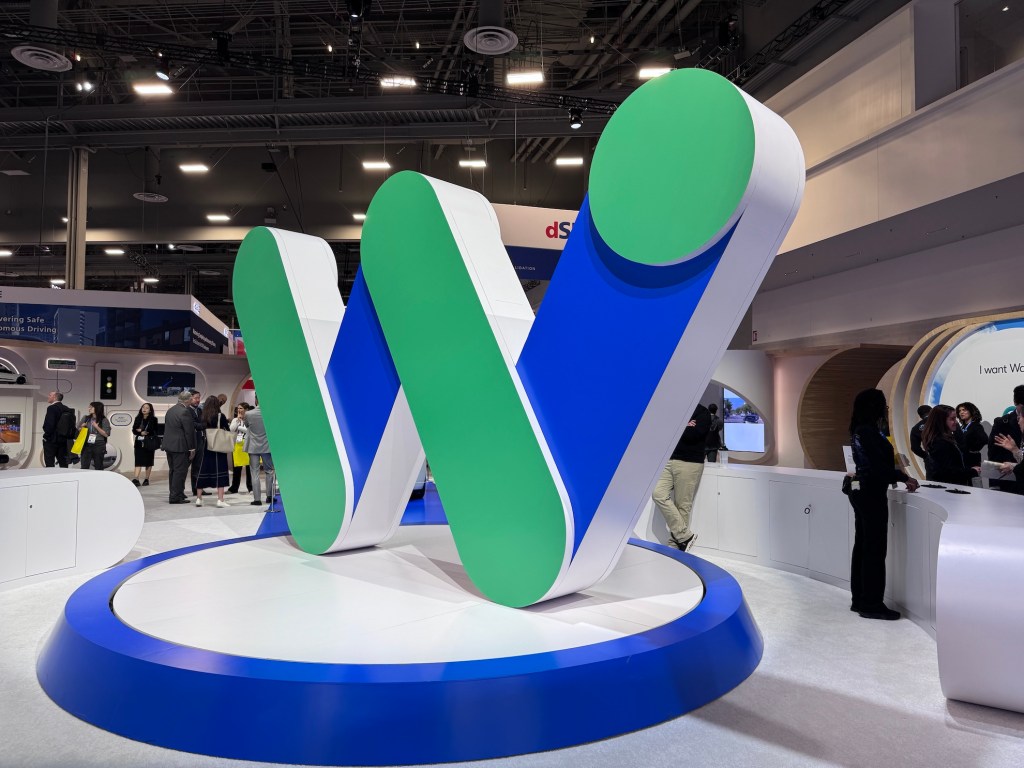
This announcement has been met with enthusiasm from industry leaders. Justin Kintz, Waymo’s head of global public policy, stated, Governor Hochul’s proposal to legalize fully autonomous vehicles is a transformative moment for New York’s transportation system. He highlighted the potential for integrating Waymo’s proven safety technology with the state’s initiatives in traffic management and congestion reduction, envisioning a future where New York becomes safer and more accessible.
Waymo, a subsidiary of Alphabet, has been actively pursuing opportunities to operate in New York. In August 2025, the company received a permit to test its autonomous vehicles in New York City, marking a significant milestone as the first such approval granted by the city. This permit allowed Waymo to deploy up to eight Jaguar I-Pace SUVs in Manhattan and Downtown Brooklyn, with a trained safety operator present. However, the permit stipulated that operators must keep at least one hand on the wheel at all times, and the vehicles were not authorized to carry passengers without additional licensing from the city’s Taxi and Limousine Commission.
Despite these advancements, operating in New York City presents unique challenges. The city’s dense population, complex traffic patterns, and stringent regulations make it a particularly demanding environment for autonomous vehicles. The current state law requires drivers to maintain at least one hand on the wheel, posing a significant hurdle for fully autonomous operations. While the state’s AV pilot program offers exemptions to certain rules, comprehensive legislation is necessary to facilitate broader deployment.
The exclusion of New York City from the proposed legislation reflects these complexities. The city’s regulatory framework, combined with its intricate urban landscape, necessitates a more cautious approach. The governor’s proposal aims to balance the potential benefits of autonomous vehicles with the need to ensure public safety and address urban-specific challenges.
The broader context of this initiative aligns with New York’s commitment to embracing innovative technologies while implementing appropriate regulatory measures. In December 2025, Governor Hochul signed the RAISE Act, positioning New York as the second U.S. state to enact major AI safety legislation. This act requires large AI developers to disclose their safety protocols and report incidents promptly, underscoring the state’s proactive stance on technological advancements.
As the state moves forward with this legislation, collaboration between government agencies, technology companies, and local communities will be crucial. Establishing clear safety standards, addressing public concerns, and ensuring transparent communication will be key to the successful integration of robotaxis into New York’s transportation ecosystem.
In conclusion, Governor Hochul’s proposal marks a significant step towards modernizing transportation in New York State. By facilitating the deployment of autonomous vehicles outside New York City, the state is positioning itself at the forefront of technological innovation. However, the exclusion of New York City highlights the need for a tailored approach that considers the unique challenges of urban environments. As the legislative process unfolds, stakeholders will need to work collaboratively to navigate these complexities and realize the potential benefits of autonomous transportation.