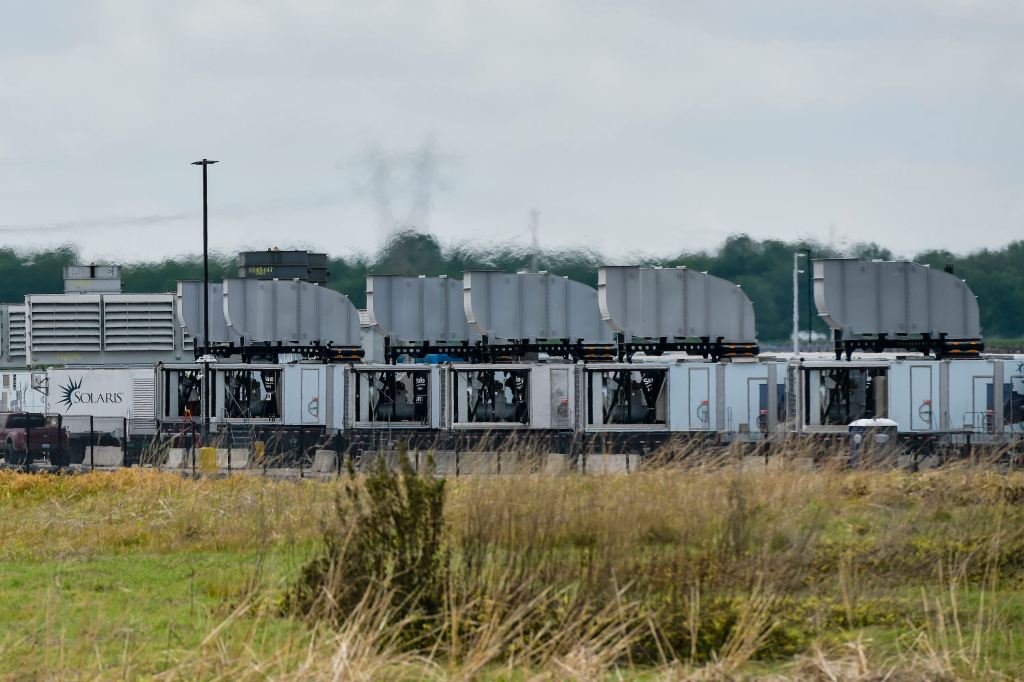
New York Proposes Three-Year Moratorium on Data Center Construction Amid Environmental and Economic Concerns
In a significant legislative move, New York state lawmakers have introduced a bill aiming to impose a minimum three-year moratorium on the issuance of permits for the construction and operation of new data centers. This initiative positions New York among at least six states contemplating similar pauses on data center development, reflecting a growing national discourse on the environmental and economic ramifications of such facilities.
Rationale Behind the Moratorium
The exponential growth of data centers, driven by the escalating demands of artificial intelligence (AI) infrastructure, has raised bipartisan concerns. Both Democratic and Republican leaders are questioning the impact of these facilities on local communities, particularly regarding energy consumption and its subsequent effect on residential electricity costs. Studies have indicated a correlation between the establishment of data centers and increased home electricity bills, prompting a reevaluation of their unchecked expansion.
Bipartisan Criticism and Environmental Advocacy
Prominent figures across the political spectrum have voiced apprehensions. Progressive Senator Bernie Sanders has advocated for a nationwide halt on data center construction, emphasizing the need for a comprehensive assessment of their societal impact. Conversely, conservative Florida Governor Ron DeSantis has criticized data centers for potentially leading to higher energy bills, expressing concerns about their influence on younger demographics through AI technologies.
Environmental organizations have also been vocal. Over 230 groups, including Food & Water Watch, Friends of the Earth, and Greenpeace, have collectively urged Congress to implement a national moratorium on new data center constructions. Their concerns center on the substantial energy and water consumption associated with these facilities, which they argue pose threats to environmental sustainability and community resources.
Legislative Details and Proponents’ Perspectives
The proposed New York legislation is spearheaded by State Senator Liz Krueger and Assemblymember Anna Kelles, both Democrats. Eric Weltman of Food & Water Watch revealed that the bill originated from their organization, underscoring the collaborative effort between environmental advocates and policymakers. Similar legislative proposals have emerged in other states, with Democrats in Georgia, Vermont, and Virginia, and Republicans in Maryland and Oklahoma, introducing comparable bills.
Senator Krueger has highlighted New York’s lack of preparedness for the influx of massive data centers targeting the state. She emphasized the necessity of pausing to develop robust policies that prevent potential economic burdens on utility customers and mitigate the risk of an unsustainable data center boom.
State Initiatives and Industry Responses
In response to these concerns, New York Governor Kathy Hochul recently announced the Energize NY Development initiative. This program aims to modernize the integration of large energy consumers, such as data centers, into the state’s power grid. A key component of this initiative is ensuring that these entities contribute equitably to infrastructure costs, thereby preventing undue financial strain on residential customers.
The tech industry has acknowledged these concerns. Microsoft, for instance, has committed to collaborating with local utility companies to ensure that the costs associated with their data centers do not translate into higher electricity bills for residents. This commitment includes covering their full share of the burden on local grids and creating job opportunities within the communities they operate.
Broader Implications and Future Outlook
The debate over data center expansion extends beyond New York. Environmental groups have been advocating for a nationwide halt to new data center constructions, citing the significant energy and water usage of these facilities. The proposed moratoriums reflect a growing recognition of the need to balance technological advancement with environmental sustainability and community well-being.
As the legislative process unfolds, stakeholders from various sectors will continue to engage in discussions to address the multifaceted challenges posed by data center proliferation. The outcome of New York’s proposed moratorium could set a precedent for other states grappling with similar issues, potentially influencing national policies on data center development and regulation.