New York’s Decision Halts Robotaxi Expansion Plans
In a significant development for autonomous vehicle (AV) initiatives, New York Governor Kathy Hochul has retracted a proposal aimed at amending state traffic laws to permit the operation of driverless taxis, commonly known as robotaxis, outside New York City. This decision represents a considerable setback for companies like Waymo, which have been striving to introduce their autonomous ride-hailing services to the state.
Background and Proposal Details
Governor Hochul’s proposal was part of a broader budget plan intended to modernize transportation regulations. A key component of this plan was to revise the existing law that requires drivers to maintain at least one hand on the steering wheel at all times. This stipulation effectively prohibits the deployment of fully autonomous vehicles, as these vehicles operate without human intervention and, in some cases, without a steering wheel altogether.
The proposed amendments included several restrictions to ensure a controlled and safe introduction of AV technology. Notably, the plan would have prohibited the deployment of for-hire robotaxi services in cities with populations exceeding one million residents, thereby excluding New York City from immediate implementation. Additionally, AV companies would have been required to obtain approval from the state’s transportation commissioner, pay a $1 million fee, and demonstrate financial security of at least $5 million. Furthermore, the state would have only supported robotaxi pilots in municipalities that exhibited clear local support for such initiatives.
Stakeholder Reactions and Implications
The withdrawal of the proposal was confirmed by Governor Hochul’s spokesperson, Sean Butler, who stated, Based on conversations with stakeholders, including in the legislature, it was clear that the support was not there to advance this proposal. This decision underscores the complexities and challenges associated with integrating autonomous vehicles into existing transportation infrastructures and regulatory frameworks.
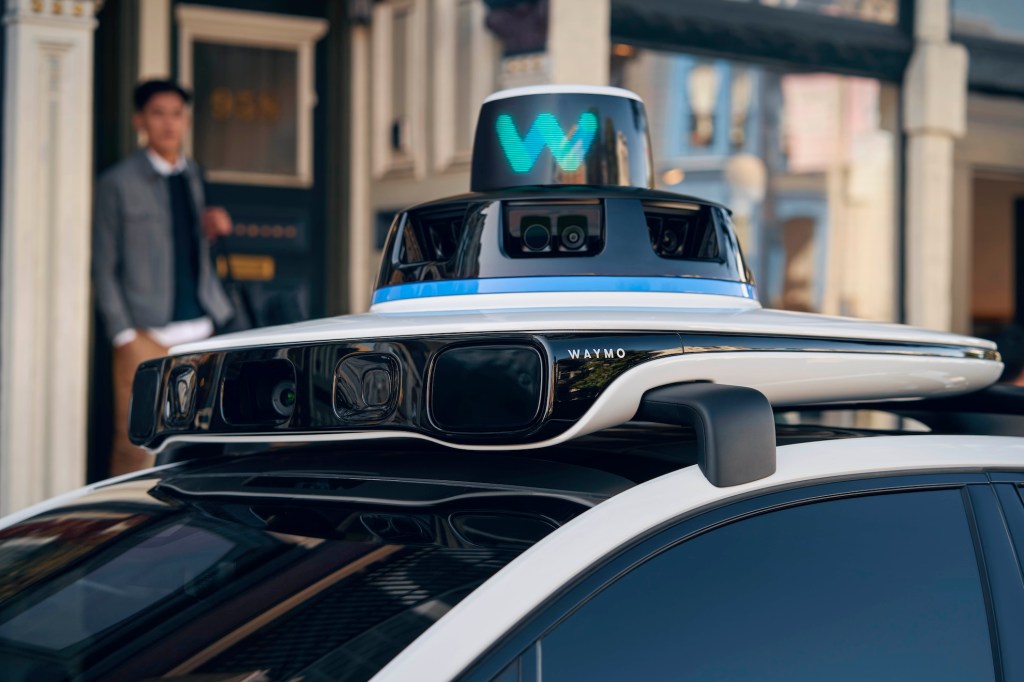
Waymo, a subsidiary of Alphabet Inc., expressed disappointment over the governor’s decision. In a statement, the company highlighted the demand from New Yorkers who have experienced Waymo’s services in other cities and desire similar options locally. Waymo emphasized its commitment to collaborating with state legislators to advance the issue, stating, The path forward requires a collaborative approach that prioritizes transparency and public safety.
Current Status of Autonomous Vehicle Testing in New York
Despite the setback, Waymo continues to test its autonomous vehicles in New York City under a permit that allows for such activities until March 31. This permit, granted in August 2025, permits Waymo to operate up to eight of its Jaguar I-Pace vehicles in Manhattan and downtown Brooklyn, provided a human safety operator is present behind the wheel. This arrangement aligns with the state’s existing AV pilot program, which allows for the development and testing of autonomous vehicles under specific conditions but does not authorize the launch of commercial robotaxi services.
Broader Context and Future Prospects
The decision to halt the proposed amendments reflects the cautious approach that many states are adopting toward the integration of autonomous vehicles. While the potential benefits of AV technology include increased safety, reduced congestion, and expanded mobility options, concerns persist regarding public safety, regulatory compliance, and the readiness of existing infrastructure to accommodate such advancements.
Waymo’s experience in New York is indicative of the broader challenges faced by AV companies nationwide. For instance, in California, Waymo’s application to expand its robotaxi operations was paused by regulators in February 2024, highlighting the regulatory hurdles that continue to impede the widespread deployment of autonomous vehicles.
Conclusion
The withdrawal of Governor Hochul’s proposal to amend traffic laws for the legalization of robotaxis in New York underscores the intricate balance between innovation and regulation. While companies like Waymo remain committed to introducing their services to new markets, the path forward necessitates ongoing collaboration with legislators, regulators, and the public to address safety concerns and build the necessary support for the integration of autonomous vehicles into the transportation ecosystem.