Netflix’s Strategic Move: Transforming Podcasts into the New Daytime Talk Shows
In a bold strategic shift, Netflix is venturing into the podcasting realm, aiming to redefine the traditional daytime talk show experience. By securing exclusive video rights to a selection of popular podcasts, the streaming giant is positioning itself as a formidable competitor to platforms like YouTube.
Netflix’s Podcasting Endeavors
Netflix has recently inked deals with major audio content providers, including iHeartMedia and Barstool Sports, to bring a diverse array of video podcasts to its platform. This initiative follows a similar agreement with Spotify, signaling Netflix’s commitment to expanding its content offerings beyond conventional television and film.
The collaboration with iHeartMedia is particularly noteworthy. Set to launch in early 2026, this partnership will introduce 14 video podcasts exclusively to Netflix’s U.S. audience, with plans for international expansion. The lineup encompasses a variety of genres, featuring prominent shows such as The Breakfast Club with Charlamagne, Dear Chelsea with Chelsea Handler, and My Favorite Murder with Karen Kilgariff and Georgia Hardstark. Under this agreement, Netflix will host new episodes and select archival content, while iHeartMedia retains audio distribution rights, ensuring continued availability on platforms like iHeartRadio. ([techcrunch.com](https://techcrunch.com/2025/12/16/netflix-doubles-down-on-video-podcasts-with-iheartmedia-deal/?utm_source=openai))
Targeting YouTube’s Dominance
Netflix’s foray into video podcasts appears to be a strategic move to challenge YouTube’s stronghold in the podcasting space. In 2025, YouTube reported that viewers consumed over 700 million hours of podcasts monthly on living room devices, a significant increase from 400 million hours the previous year. By offering exclusive video podcast content, Netflix aims to attract viewers who traditionally turn to YouTube for such material.
Matthew Dysart, an entertainment attorney and former head of podcast business affairs at Spotify, highlighted this competitive dynamic, stating, As people begin to spend less time watching traditional television, and more time watching short form or low-cost, low-production value content on YouTube, that might present a long-term competitive threat to Netflix. ([techcrunch.com](https://techcrunch.com/2025/12/19/netflix-is-betting-on-podcasts-to-become-the-new-daytime-talk-show/?utm_source=openai))
Implications for Podcasters and the Industry
While Netflix’s entry into the podcasting arena offers new opportunities, it also raises concerns among content creators. Some podcasters question the long-term viability of video podcasts and worry about the potential for an oversaturated market. Ronald Young Jr., a podcaster, observed, They’re basically saying, ‘We want to be the king of content, and the only way we’re going to do that is if we take a swipe at YouTube.’ ([techcrunch.com](https://techcrunch.com/2025/12/19/netflix-is-betting-on-podcasts-to-become-the-new-daytime-talk-show/?utm_source=openai))
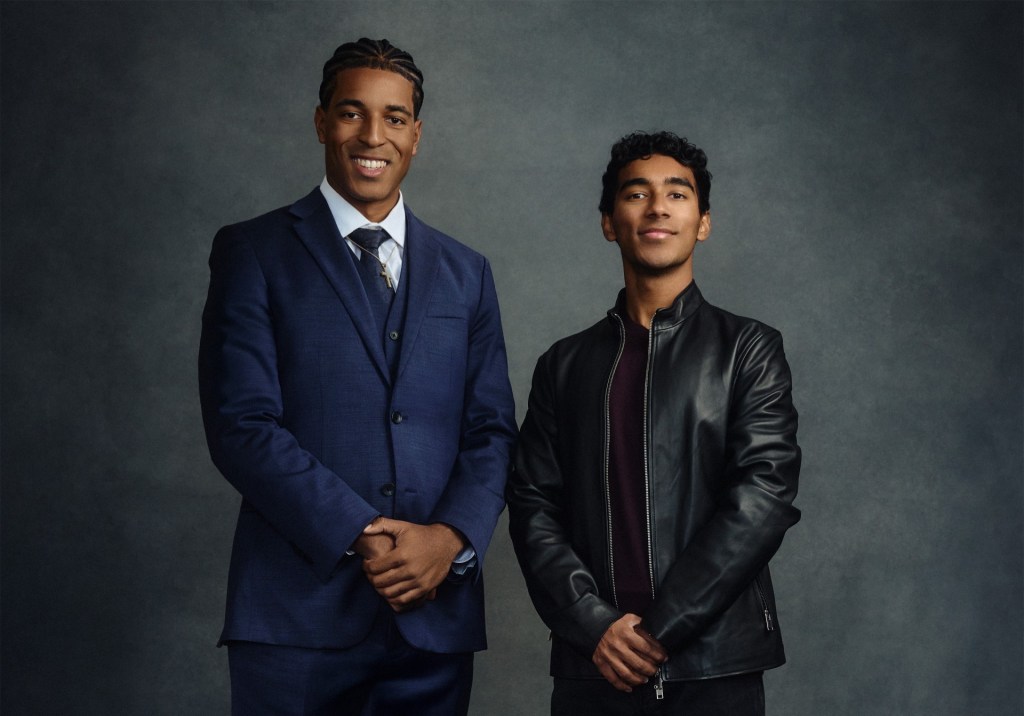
Independent podcasters like Mike Schubert and Sequoia Simone have experimented with video formats, launching their show Professional Talkers as a video-first production on platforms like YouTube and Spotify. However, audience reception has been mixed, indicating that the transition to video may not be universally embraced.
The Evolving Definition of Podcasts
The term podcast has evolved, encompassing a wide range of content formats. Eric Silver, a podcaster, noted, I think this has to do with how squishy the word podcast is now. It means anything. It just means show now. ([techcrunch.com](https://techcrunch.com/2025/12/19/netflix-is-betting-on-podcasts-to-become-the-new-daytime-talk-show/?utm_source=openai))
This broadening definition reflects the industry’s rapid growth and diversification. However, it also underscores the challenges in maintaining content quality and meeting audience expectations.
Netflix’s Calculated Approach
Unlike Spotify’s aggressive acquisitions in the podcasting space, Netflix appears to be adopting a more measured strategy. By partnering with established media companies rather than individual creators, Netflix aims to integrate podcasts into its existing content ecosystem seamlessly. This approach allows the company to test the waters without overcommitting resources.
Dysart commented on this strategy, stating, Netflix and Spotify are similar in that way — aggressive moves to test a new value proposition by targeting top performers and spending money that ultimately is not that substantial from the perspective of a global tech platform, but is meaningful to the creator economy, to quickly learn if there’s a ‘there’ there. ([techcrunch.com](https://techcrunch.com/2025/12/19/netflix-is-betting-on-podcasts-to-become-the-new-daytime-talk-show/?utm_source=openai))
Redefining Daytime Entertainment
Netflix’s investment in video podcasts aligns with a broader trend of audiences seeking alternative forms of daytime entertainment. As traditional television viewership declines, platforms like Netflix are exploring new content formats to engage viewers.
Young Jr. drew parallels to past viewing habits, noting, Back in the day, my mom would have a soap opera playing in the background while she was doing things, and I was definitely the person who would have ‘The Office’ playing in the background while I’m doing things. Now people get to have a podcast playing in the background while they’re doing things, and if Netflix can be the place where they go to do that, then I think it’s a win for the company. ([techcrunch.com](https://techcrunch.com/2025/12/19/netflix-is-betting-on-podcasts-to-become-the-new-daytime-talk-show/?utm_source=openai))
Conclusion
Netflix’s strategic entry into the podcasting domain signifies a significant shift in the media landscape. By offering exclusive video podcast content, the company aims to attract a broader audience and challenge existing platforms like YouTube. While this move presents new opportunities for content creators and consumers alike, it also raises questions about the future of podcasting and the evolving nature of digital entertainment.