Netflix’s Acquisition of Warner Bros. Discovery: Implications for Apple TV+ and the Future of Streaming Collaborations
In a landmark move that has sent ripples through the entertainment industry, Netflix has announced its acquisition of Warner Bros. Discovery for a staggering $83 billion. This strategic decision not only reshapes the competitive landscape but also raises pivotal questions about the future of content licensing and collaborations among streaming giants.
Netflix’s Strategic Expansion
Historically, Netflix has been synonymous with its vast library of original content, produced in-house to cater to its global subscriber base. However, with the acquisition of Warner Bros. Discovery, Netflix is poised to diversify its portfolio by venturing into the realm of third-party content production and licensing. This expansion signifies a departure from its traditional model, allowing Netflix to tap into Warner’s rich legacy of television production and distribution.
Commitment to Third-Party Licensing
Addressing industry speculations, Netflix’s co-CEO, Ted Sarandos, provided clarity on the company’s stance regarding third-party content licensing. Speaking at the UBS Global Media and Communications Conference, Sarandos emphasized the value of Warner Bros. Television Group’s operations, which have a longstanding history of producing and licensing content to various platforms. He stated:
> The television studio…produces and licenses content to third parties. We were never in that business. We are now. When you…get under the hood, that’s a really healthy business. It’s not as big as ours, and that’s why we haven’t really focused that much on doing it. The growth opportunity on our core business has been greater. But now in this transaction, we own that business, and Channing and that group do a phenomenal job, and we want them to continue to do that phenomenal job.
This declaration underscores Netflix’s intention to uphold and possibly expand Warner’s existing partnerships, ensuring that popular shows continue to reach audiences across multiple platforms.
Implications for Apple TV+
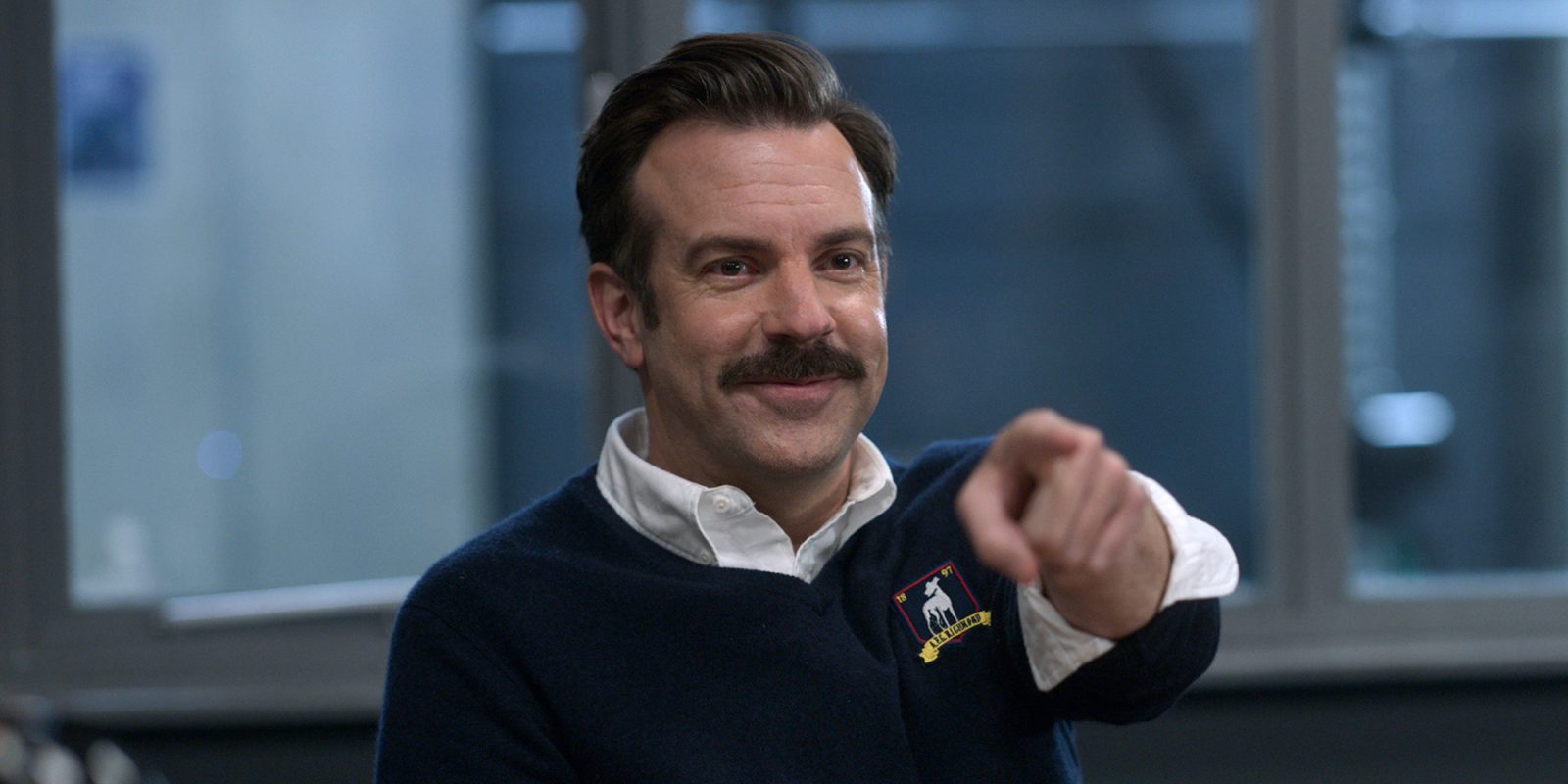
Apple TV+, Apple’s foray into the streaming world, has garnered acclaim for its curated selection of original content. Notably, several of its flagship series, including Ted Lasso, Shrinking, Bad Monkey, and Presumed Innocent, are products of collaborations with Warner Bros. Television Group. These partnerships have been instrumental in bolstering Apple TV+’s reputation and subscriber growth.
The acquisition naturally led to concerns about the continuity of such collaborations. Would Netflix, now at the helm of Warner’s television productions, choose to retain these successful partnerships or redirect content exclusively to its platform? Sarandos’s recent comments provide reassurance, indicating a commitment to maintaining and nurturing these existing relationships.
Broader Industry Impacts
The consolidation of major entertainment entities like Netflix and Warner Bros. Discovery signals a transformative period for the streaming industry. As platforms vie for exclusive content to differentiate themselves, the dynamics of content creation, licensing, and distribution are evolving. This acquisition could set a precedent for future mergers and collaborations, prompting other streaming services to reassess their strategies and partnerships.
Looking Ahead
For consumers, the primary concern remains access to diverse and quality content. Netflix’s commitment to third-party licensing suggests a continued era of collaboration, where content transcends platform boundaries to reach wider audiences. However, the industry must remain vigilant to ensure that such consolidations do not stifle competition or limit consumer choices.
In conclusion, Netflix’s acquisition of Warner Bros. Discovery marks a significant milestone in the streaming wars. While it introduces new dynamics and potential challenges, the overarching commitment to content diversity and accessibility offers a promising outlook for the future of entertainment.