iPhones Embark on Lunar Journey with NASA’s Artemis II Mission
In a groundbreaking development, NASA’s Artemis II mission has introduced a significant shift in space exploration protocols by permitting astronauts to carry personal smartphones, specifically iPhones, during their lunar voyage. This policy change marks a departure from the longstanding restrictions on consumer electronics in crewed missions, reflecting NASA’s evolving approach to integrating everyday technology into space travel.
Artemis II Mission Overview
Artemis II represents a pivotal step in NASA’s Artemis program, aiming to return humans to the Moon and establish a sustainable presence. This mission involves a 10-day journey around the Moon aboard the Orion spacecraft, serving as a critical test flight to validate systems and operations for future lunar landings. The crew comprises four astronauts who will assess the spacecraft’s performance in deep space conditions, laying the groundwork for subsequent missions that will eventually lead to a lunar landing.
Integration of iPhones in Space
The inclusion of iPhones on Artemis II is not merely symbolic but serves practical purposes. Astronauts can utilize these devices to capture high-resolution photos and videos, document experiments, and maintain personal logs. This integration offers a familiar and user-friendly tool for the crew, enhancing their ability to record and share their experiences in space.
Communication and Data Management
To ensure mission safety and data integrity, NASA has implemented strict protocols for the use of personal devices. All data captured on the iPhones is routed through the spacecraft’s communication systems, preventing any direct transmission to Earth. This approach maintains the security and reliability of mission communications while allowing astronauts to leverage the capabilities of modern smartphones.
Technical Considerations and Suit Integration
While the iPhones are not integrated into the spacecraft’s systems, they are stored in designated pockets within the astronauts’ Orion survival suits. This storage method is a practical solution for keeping the devices secure during launch and re-entry phases. It’s important to note that these pockets are designed for storage convenience and do not connect the iPhones to the suit’s systems.
Policy Shift and Broader Implications
NASA’s decision to allow personal smartphones aboard Artemis II aligns with trends in commercial spaceflight, where consumer devices have been utilized in limited roles. This policy shift indicates a broader change in NASA’s approach, embracing the integration of familiar technology to enhance the astronaut experience without compromising mission safety or objectives.
Unconfirmed Details and Speculations
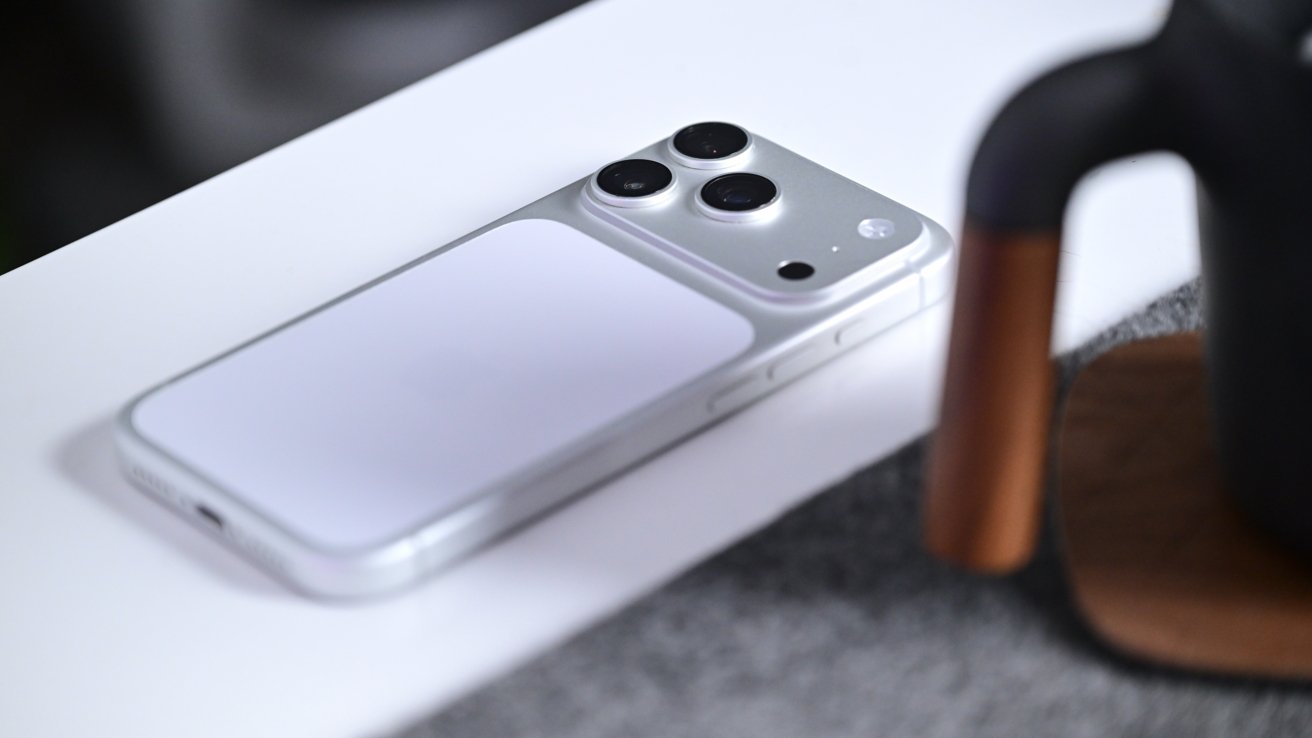
Despite circulating claims, there is no official confirmation regarding the specific iPhone models onboard Artemis II. Pre-launch footage suggests the presence of an iPhone Pro model, but NASA has not provided detailed information about the hardware. Additionally, there is no evidence of a formal partnership between NASA and Apple for this mission, nor any coordinated marketing efforts related to the inclusion of iPhones.
Conclusion
The incorporation of iPhones into the Artemis II mission signifies a notable evolution in space exploration practices. By allowing astronauts to carry personal smartphones, NASA acknowledges the value of integrating everyday technology into space missions. This development not only enhances the crew’s ability to document and share their journey but also reflects a progressive approach to utilizing consumer technology in the realm of space exploration.