NASA Astronauts Capture Stunning Earth Images with iPhone 17 Pro Max During Artemis II Mission
In a remarkable fusion of cutting-edge technology and human exploration, NASA astronauts aboard the Artemis II mission have utilized the iPhone 17 Pro Max to capture breathtaking images of Earth from space. This unprecedented use of consumer-grade smartphones in a space mission underscores the advancements in mobile photography and the versatility of modern devices.
The Artemis II Mission and Technological Integration
The Artemis II mission, a pivotal step in NASA’s ambitious plan to return humans to the Moon, has been notable not only for its scientific objectives but also for its innovative use of technology. Each of the four astronauts was equipped with a silver iPhone 17 Pro Max, integrated into their flight suits. This integration was part of a broader initiative to leverage familiar, user-friendly technology to document the mission’s progress and share the experience with the public.
Capturing Earth from Afar
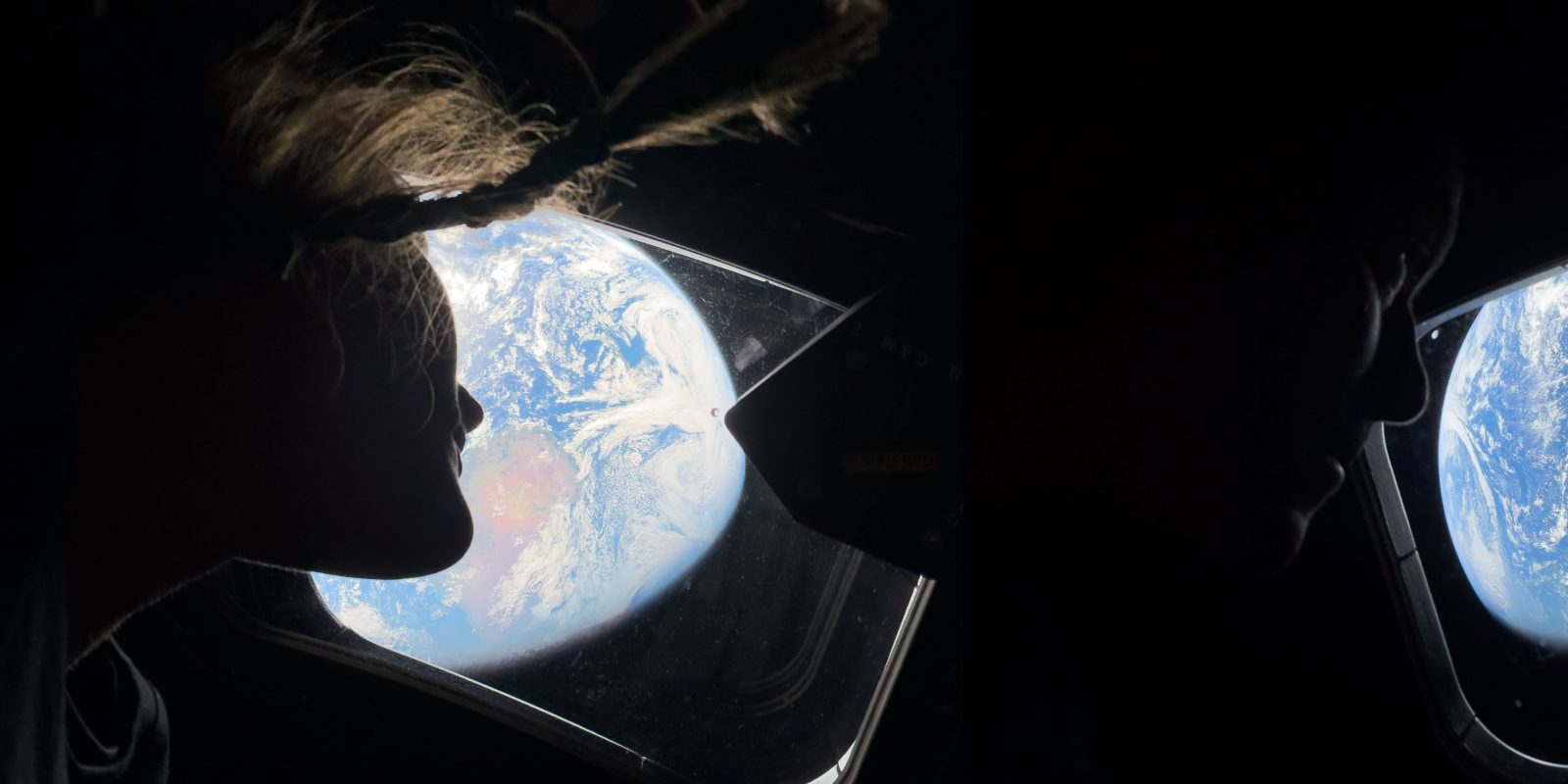
As the Orion spacecraft journeyed towards the Moon, astronauts used their iPhones to photograph Earth through the capsule’s windows. These images, now available on NASA’s official Flickr page, offer a unique perspective of our planet from space. One particularly striking photograph features astronaut Christina Koch gazing out of the Orion’s main cabin window, with the illuminated Earth serving as a stunning backdrop.
The Approval Process for iPhones in Space
The inclusion of iPhones in the Artemis II mission was not a decision made lightly. NASA’s rigorous approval process ensured that the devices met the stringent safety and operational standards required for space travel. Interestingly, Apple was not formally involved in this approval process. The decision to equip astronauts with iPhones was driven by the devices’ reliability, high-quality cameras, and the astronauts’ familiarity with the technology.
Complementing Traditional Equipment
While the iPhone 17 Pro Max played a significant role in capturing images, it was part of a suite of photographic equipment aboard the Orion spacecraft. The crew also had access to GoPro Hero 11 cameras and Nikon D5 DSLRs. This combination allowed astronauts to choose the most suitable device for various scenarios, ensuring comprehensive documentation of the mission.
A New Era of Space Photography
The use of iPhones in space represents a significant shift in how missions are documented. Traditionally, space agencies have relied on specialized, often bulky equipment to capture images and videos. The integration of consumer-grade smartphones demonstrates confidence in their capabilities and opens new possibilities for future missions. It also allows for more spontaneous and personal documentation, providing the public with a more intimate view of space exploration.
Public Engagement and Accessibility
By using devices familiar to the general public, NASA bridges the gap between astronauts and Earth-bound observers. The images captured on iPhones resonate with audiences, as they are taken with the same devices many people use daily. This approach enhances public engagement and makes the experience of space exploration more relatable and accessible.
Looking Ahead
As the Artemis II mission progresses, the Orion spacecraft is set to orbit the far side of the Moon, marking a record for the longest distance a human has ever traveled in space. The continued use of iPhones and other devices will provide invaluable visual documentation of this historic journey. These images not only serve scientific and educational purposes but also inspire future generations to look towards the stars.
Conclusion
The integration of the iPhone 17 Pro Max into NASA’s Artemis II mission highlights the remarkable advancements in mobile technology and its potential applications beyond Earth. By capturing stunning images of our planet from space, astronauts are not only documenting their journey but also sharing a perspective that underscores the beauty and fragility of our world. This innovative use of technology exemplifies the spirit of exploration and the endless possibilities that arise when human ingenuity meets cutting-edge tools.