NASA Integrates iPhones into Astronaut Equipment for Future Space Missions
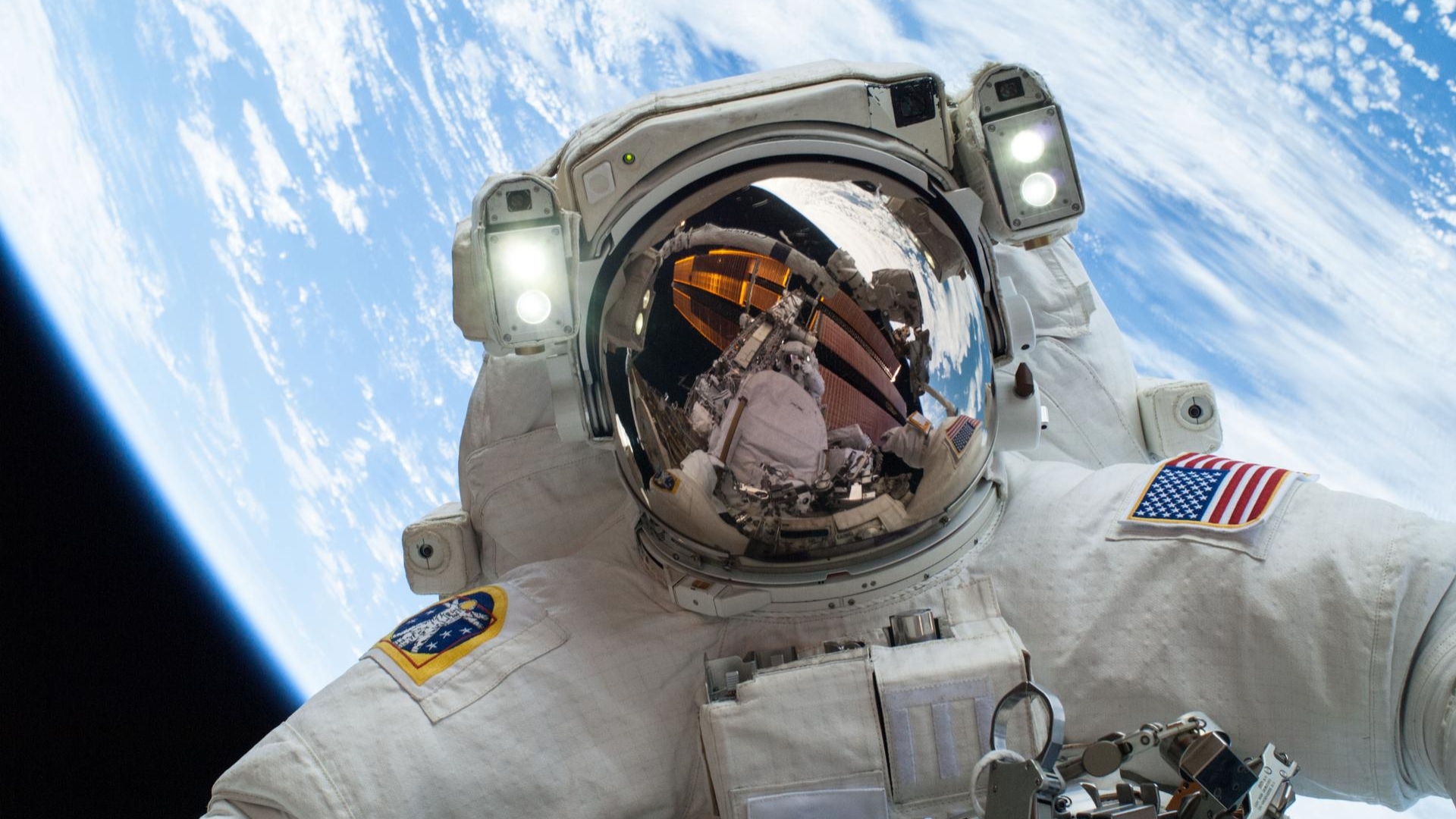
In a groundbreaking development, NASA has officially approved the use of iPhones by astronauts on upcoming space missions. This decision marks a significant shift in the agency’s approach to personal technology in space, reflecting the growing reliability and versatility of consumer devices in extreme environments.
Background and Decision Announcement
Historically, NASA has maintained stringent policies regarding the equipment astronauts can carry aboard spacecraft. Personal devices were largely restricted, with only specific, mission-approved tools like DSLR cameras permitted for use. This cautious approach was primarily due to concerns about safety, compatibility, and the potential for interference with critical spacecraft systems.
However, on February 6, 2026, NASA Administrator Jared Isaacman announced a pivotal change in this policy. Starting with the SpaceX Crew-12 mission and extending to the Artemis II mission, astronauts will be allowed to carry modern smartphones, specifically iPhones, during their missions. This decision underscores NASA’s confidence in the technological advancements and reliability of these devices.
Significance of the Approval
An Apple spokesperson highlighted the importance of this development, stating that this marks the first time the iPhone has been fully qualified for extended use in orbit and beyond. This qualification indicates that the iPhone has met NASA’s rigorous safety and performance standards, ensuring its suitability for the unique challenges of space travel.
Implications for Astronauts and Missions
The integration of iPhones into astronauts’ equipment offers several advantages:
1. Enhanced Documentation: Astronauts can now capture high-quality images and videos of their experiences, providing valuable insights and engaging content for both scientific purposes and public outreach.
2. Improved Communication: The familiar interface and capabilities of iPhones can facilitate more efficient communication between crew members and mission control, as well as with their families.
3. Versatile Applications: With a wide range of applications available, iPhones can serve multiple functions, from scientific calculations to health monitoring, thereby reducing the need for multiple specialized devices.
4. Educational Outreach: The ability to share real-time experiences from space can inspire and educate the public, fostering a greater interest in space exploration.
Technical Considerations and Safety Measures
While the specific iPhone models approved for use have not been disclosed, it is evident that NASA has conducted thorough evaluations to ensure these devices can withstand the harsh conditions of space. Factors such as radiation exposure, microgravity, and temperature fluctuations would have been considered to guarantee the devices’ functionality and safety.
Additionally, protocols are likely in place to prevent any potential interference with spacecraft systems. This includes measures to manage electromagnetic emissions and ensure that the devices do not compromise mission-critical operations.
Broader Context and Future Prospects
This decision reflects a broader trend of incorporating consumer technology into space missions. The processing power of modern smartphones far exceeds that of the computers used during the Apollo missions. For instance, contemporary iPhones possess over 100,000 times more processing power than the Apollo 11 computer, along with significantly greater memory and storage capacities. This advancement opens up new possibilities for data collection, analysis, and communication during missions.
Looking ahead, the successful integration of iPhones could pave the way for the inclusion of other consumer technologies in space exploration. Devices such as tablets, smartwatches, and augmented reality tools could be evaluated for their potential to enhance mission efficiency and astronaut well-being.
Conclusion
NASA’s approval of iPhones for astronaut use signifies a progressive step in embracing modern technology to support space exploration. By leveraging the capabilities of these devices, astronauts can enhance their documentation, communication, and overall mission experience. This move not only reflects the rapid advancements in consumer technology but also highlights NASA’s commitment to innovation and adaptability in the pursuit of exploring the final frontier.