Motorola Razr (2025) Series Receives Android 16 Update Ahead of Schedule
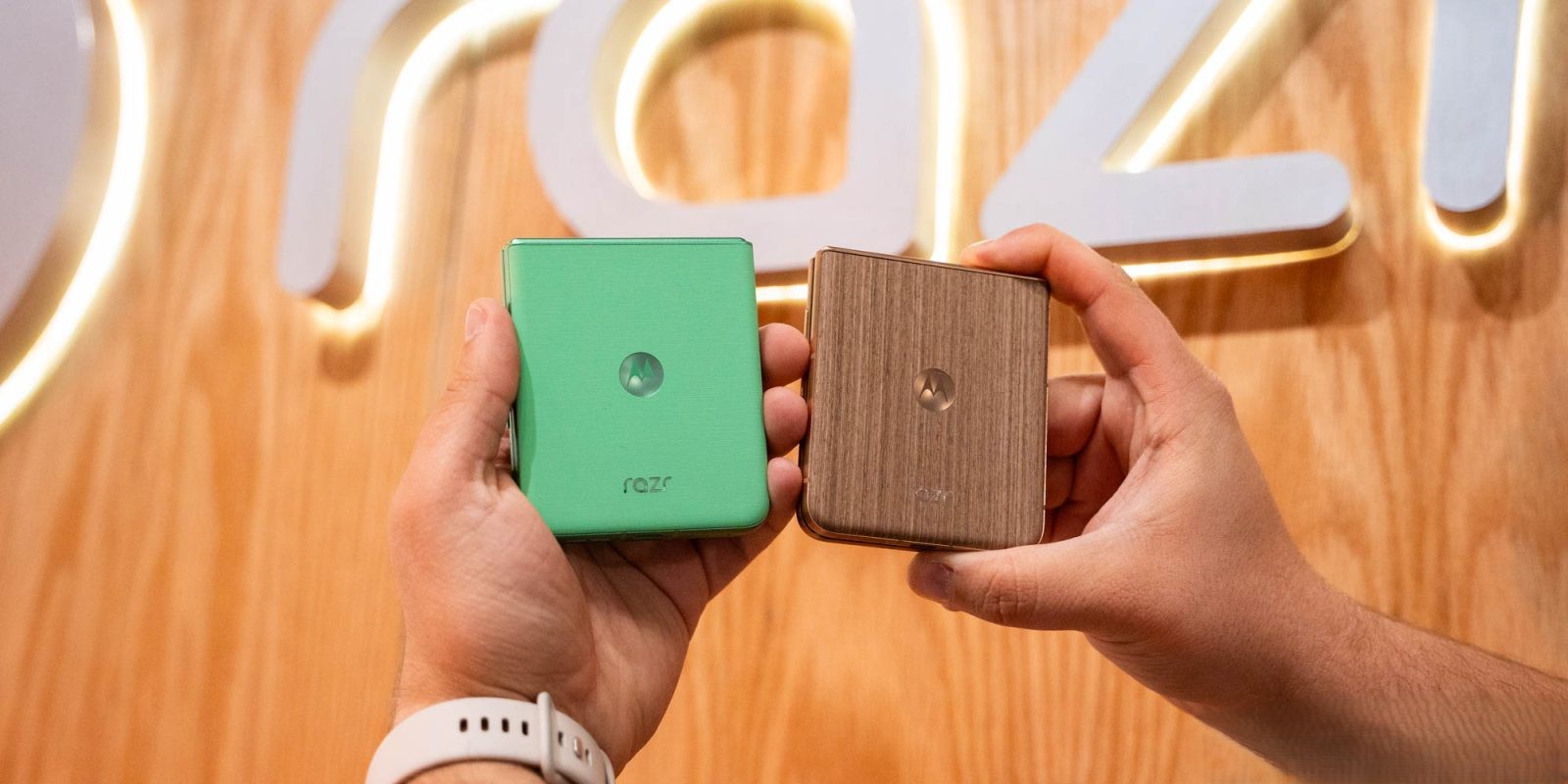
Motorola has recently rolled out the Android 16 update for its Razr (2025) and Razr Ultra models, marking a significant improvement in the company’s software update timeline. This release comes earlier than anticipated, reflecting Motorola’s commitment to enhancing user experience through timely software enhancements.
Accelerated Update Timeline
Historically, Motorola has faced criticism for delayed software updates. For instance, the Razr (2023) series received the Android 14 update in July 2024, several months after its release. In contrast, the Razr (2024) series saw the Android 15 update in May 2025, indicating a positive shift towards more prompt updates. The current rollout of Android 16 for the 2025 models continues this trend, arriving even earlier than previous updates.
Key Features of the Android 16 Update
The Android 16 update introduces several enhancements to the Razr (2025) and Razr Ultra devices:
– Enhanced Bluetooth LE Support: Users can expect improved connectivity and energy efficiency when using Bluetooth Low Energy devices.
– Refined User Interface: The update brings a more expressive design, offering a visually appealing and intuitive user experience.
Availability and Rollout
The update has been initially spotted on carrier-specific models, including those from Verizon. While the rollout is currently underway for these devices, there is no official confirmation regarding its availability for unlocked versions. Users are encouraged to check their device settings for update notifications.
Implications for Motorola Users
This expedited update schedule signifies Motorola’s dedication to providing timely software support, addressing previous concerns about delayed updates. Users can now enjoy the latest Android features and security enhancements sooner, enhancing the overall device experience.
Looking Ahead
As Motorola continues to refine its update processes, users can anticipate more consistent and timely software releases in the future. This commitment not only improves device functionality but also strengthens user trust and satisfaction.