Motorola’s Moto G17 Launches with Outdated Android 15 and No OS Upgrade Commitment
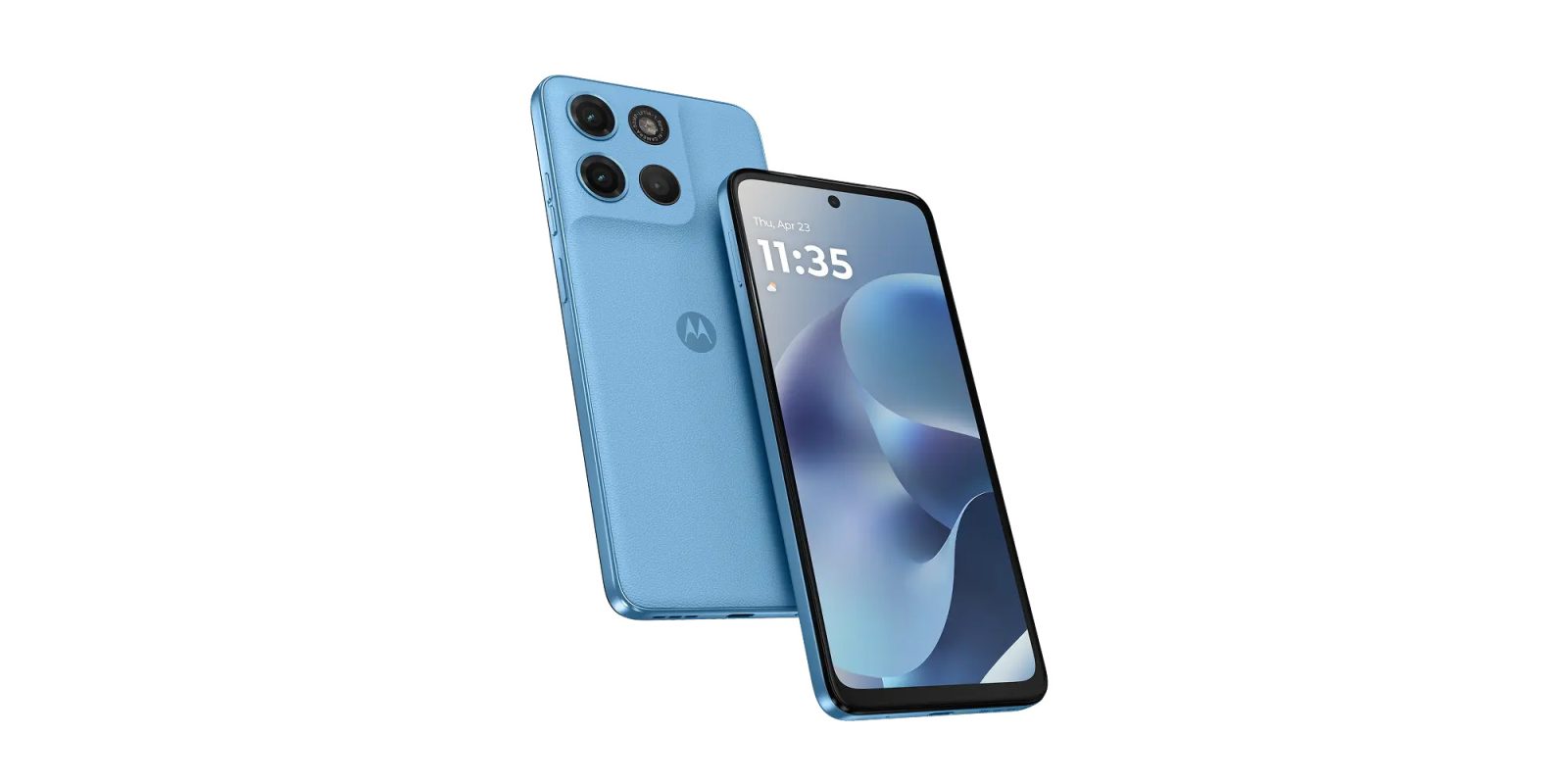
Motorola has recently unveiled the Moto G17 series in Europe, introducing budget-friendly smartphones that, while appealing in price and hardware, raise significant concerns regarding software support. Priced at £149.99 in the UK, the Moto G17 offers a 6.72-inch Full HD+ display, a robust 5,200 mAh battery, a MediaTek Helio G81 processor, 4GB of RAM, and a 50MP Sony Lytia main camera accompanied by a 5MP ultrawide lens. Additionally, it retains the traditional headphone jack and is available in various vibrant colors. The Moto G17 Power variant shares these specifications but boasts a larger 6,000 mAh battery.
However, the software aspect of these devices is troubling. The Moto G17 series ships with Android 15, an operating system that is notably outdated as of its 2026 release. Android 16 was launched in June 2025 and has already been adopted by 7.5% of active Android devices. Releasing new smartphones with an older OS version in 2026 is unexpected and raises questions about Motorola’s commitment to keeping its devices current.
Further compounding the issue, Motorola has not committed to providing any Android OS upgrades for the Moto G17 series. In the UK, the company promises only two years of security updates, extending through early 2028. In other European regions, this period is extended to five years, likely due to regulatory requirements. However, these updates are limited to security patches, with no assurance of future OS upgrades. This approach appears to exploit a loophole in the European Union’s Ecodesign regulations, which mandate security, corrective, and functionality updates but do not explicitly require OS upgrades.
Motorola’s official announcement of the Moto G17 series conspicuously omits any mention of software updates and downplays the fact that these devices come with Android 15. Product listings in countries such as France, Germany, and Finland lack information regarding the duration of security updates. This lack of transparency is concerning for consumers who prioritize software longevity and device security.
In contrast, Motorola’s recent Moto G (2026) releases in the United States come with Android 16 pre-installed and include a commitment to two years of OS updates. This disparity highlights inconsistencies in Motorola’s update policies across different markets.
While Google imposes certain requirements for security updates on Android devices, there are no strict regulations preventing manufacturers from releasing devices with outdated software and without clear upgrade paths. This situation underscores the importance of consumer awareness and the need for manufacturers to provide transparent and consistent software support policies.