Mobvoi’s TicWatch Series Faces Uncertain Future Amid Wear OS Market Shifts
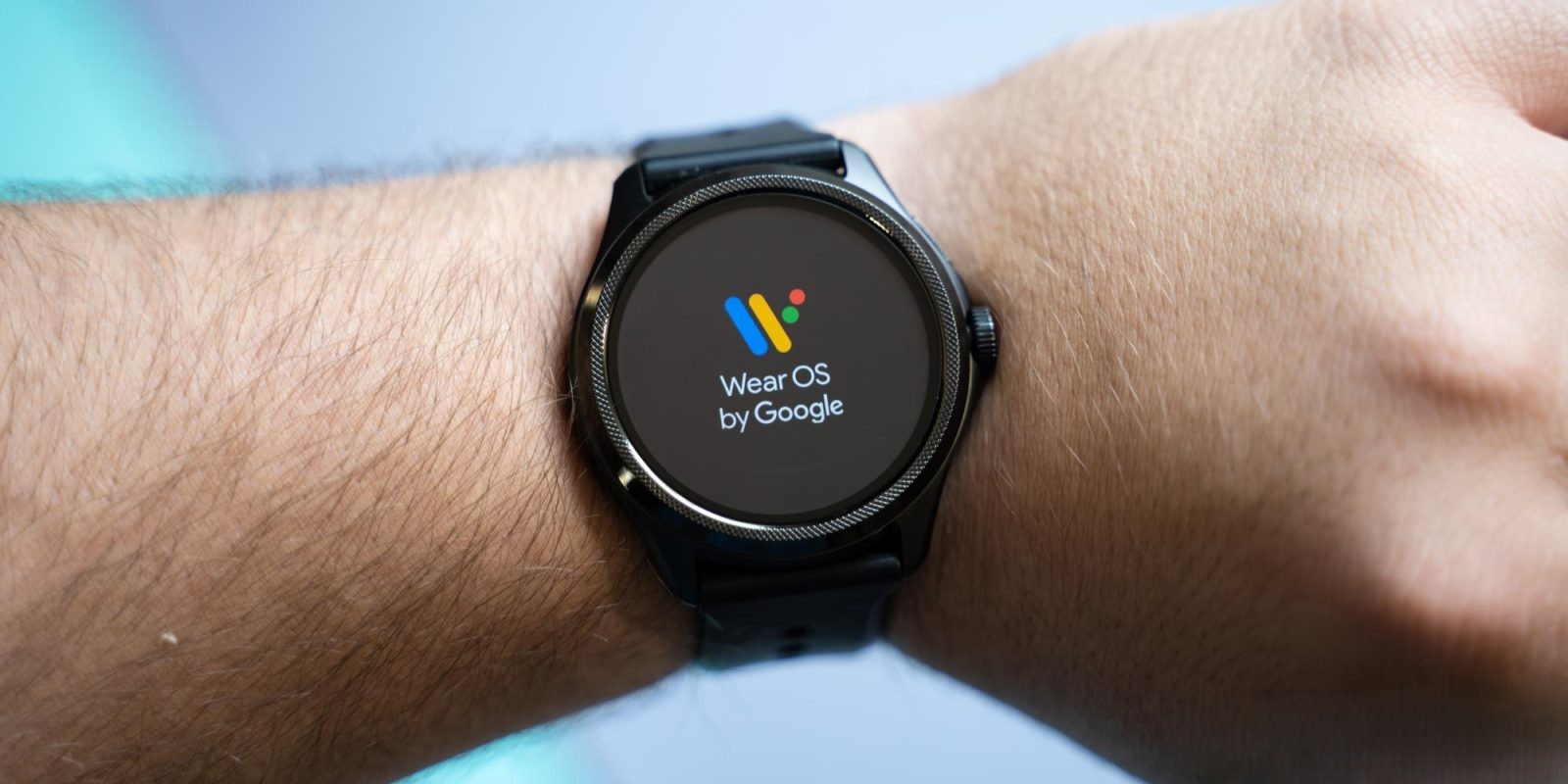
Mobvoi’s TicWatch series has been a significant player in the Wear OS smartwatch market, offering devices that combined innovative hardware with competitive pricing. However, recent developments suggest that the company may be stepping back from this segment.
Since its U.S. debut in 2017 with the TicWatch 2, Mobvoi has been at the forefront of smartwatch innovation. The TicWatch Pro, launched in 2018, introduced a dual-layer display that extended battery life to multiple days, setting a new standard in the industry. Over the past seven years, the company has released more than a dozen Wear OS-powered devices, each contributing to its reputation for delivering value and advanced features.
Despite these achievements, Mobvoi has faced criticism for delayed software updates. The rollout of Wear OS 3 to TicWatch devices took approximately a year, and the company has remained largely silent regarding updates for Wear OS 5 and the upcoming Wear OS 6. This lack of timely communication has led to growing frustration among users.
The TicWatch Atlas, released over a year ago and powered by the Snapdragon W5+ Gen 1, was the last addition to Mobvoi’s smartwatch lineup. Since then, there has been a noticeable absence of new product announcements. Currently, all TicWatch models are listed as currently unavailable on Amazon, and references to these products have been removed from Mobvoi’s official website. The Products section now highlights treadmills and the TicNote AI recorder, with no mention of smartwatches.
In response to inquiries, Mobvoi stated, We don’t have new information to announce about the TicWatch lineup, but assured that existing devices will continue to receive essential support. While this suggests ongoing support for current users, it also indicates a potential shift away from future smartwatch development.
This development marks another significant change in the Wear OS landscape. Fossil, once a key supporter of the platform, ceased its smartwatch operations in 2024. Similarly, Tag Heuer transitioned away from Wear OS earlier this year, opting for its own operating system to enhance compatibility with iOS devices.
As a result, the Wear OS ecosystem now relies on brands like Google Pixel, Samsung, OnePlus, Xiaomi, and Oppo to drive innovation and maintain market presence. The potential departure of Mobvoi underscores the challenges faced by manufacturers in the competitive smartwatch market and raises questions about the future diversity of the Wear OS platform.