Major League Soccer Integrates iPhone 17 Pro into Live Broadcasts, Redefining Sports Coverage
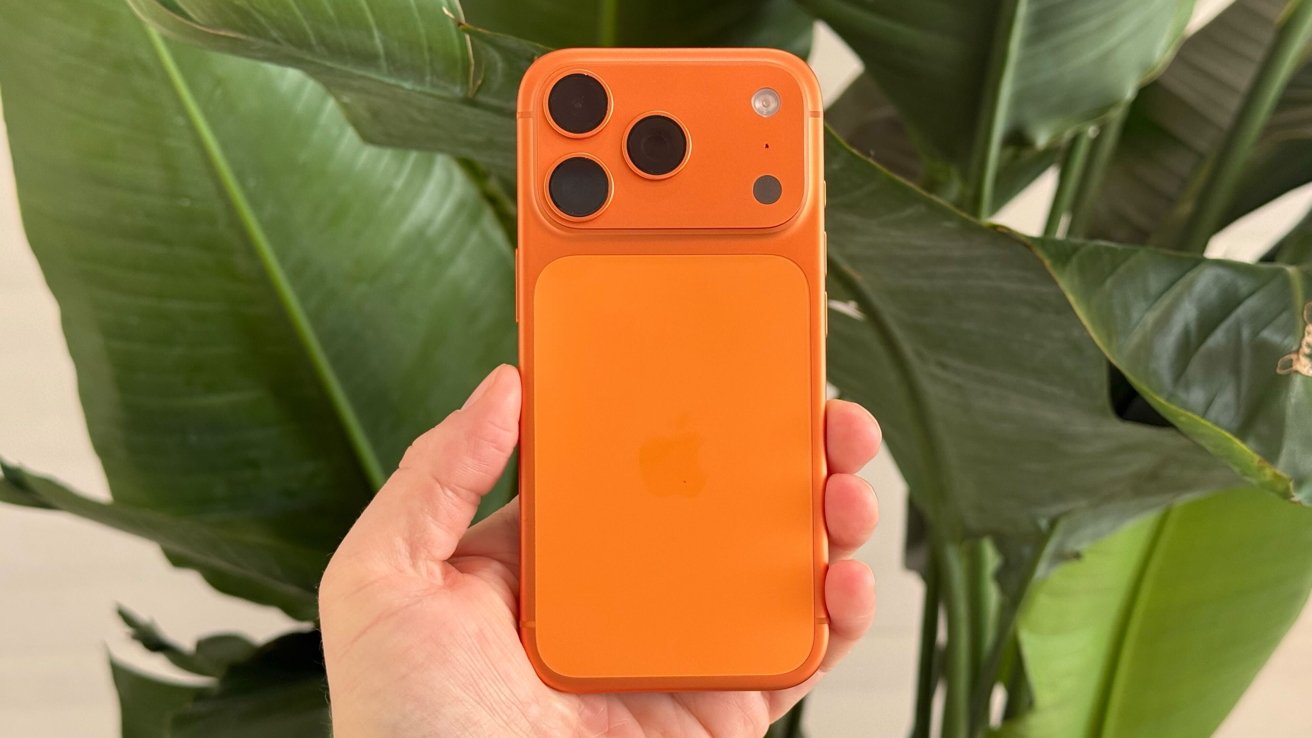
In a groundbreaking move, Major League Soccer (MLS) is set to incorporate four iPhone 17 Pro devices into its live broadcast of the upcoming MLS Cup final between Inter Miami and the Vancouver Whitecaps. This initiative marks a significant shift in sports broadcasting, highlighting the advanced capabilities of consumer-grade technology in professional settings.
The Evolution of Smartphone Imaging in Professional Broadcasts
Traditionally, professional sports broadcasts have relied on large-sensor cameras designed to handle rapid motion, low-light conditions, and ensure color consistency under the demanding environment of live events. Smartphones, despite their advancements, have seldom been utilized in such high-stakes scenarios due to concerns over latency, thermal limitations, and dynamic range challenges that could potentially disrupt live feeds.
While smartphones have occasionally been used for behind-the-scenes footage or as emergency replacements, their integration into primary broadcast workflows has been limited. The MLS’s decision to incorporate multiple iPhone 17 Pro units into its main production signifies a departure from this norm, treating these devices as reliable, broadcast-grade tools.
Deployment Strategy of iPhone 17 Pro in MLS Broadcasts
The MLS’s innovative approach involves strategic placement of the iPhone 17 Pro devices to capture unique perspectives:
– High End-Zone Camera: Positioned behind the goal to provide dynamic shots of goal-scoring opportunities and goalkeeper reactions.
– Supporters’ Section View: Located within the crowd to capture the energy and passion of fans, offering an immersive experience.
– Roaming Units: Two additional devices will be mobile, focusing on capturing spontaneous reactions from fans and coaches, adding a human element to the broadcast.
Each iPhone 17 Pro will feed directly into the league’s comprehensive 30-plus camera production setup. To maintain transparency and highlight the technology’s role, whenever footage from these devices is aired, a subtle Shot on iPhone tag will appear on the screen. This not only serves as a nod to Apple’s marketing campaign but also underscores the device’s capability to deliver high-quality, low-latency video that seamlessly integrates with traditional broadcast equipment.
Technical Capabilities Enabling Professional Use
The iPhone 17 Pro’s integration into professional broadcasts is facilitated by several key technological advancements:
– ProRes Video Recording: This high-quality video codec ensures that footage meets professional standards, providing editors with greater flexibility in post-production.
– Advanced Stabilization Systems: The device’s stabilized lens system minimizes motion blur, crucial for capturing fast-paced sports action.
– Low-Latency Wireless Transmission: The iPhone 17 Pro supports wireless transmission with minimal delay, essential for real-time broadcasting.
These features collectively ensure that the iPhone 17 Pro can deliver video quality on par with traditional broadcast cameras, without causing any jarring shifts in color or motion handling.
Precedents and Industry Implications
This isn’t the first instance of professional sports leagues experimenting with smartphone technology in broadcasts. Earlier in 2025, Major League Baseball (MLB) utilized the iPhone 17 Pro to document significant events, such as Clayton Kershaw’s final home start. The footage captured was seamlessly integrated into live feeds, with many viewers unaware of its origin. This experiment demonstrated the device’s capability to match the quality of traditional broadcast equipment.
The MLS’s adoption of the iPhone 17 Pro for live broadcasts serves as a compelling case study for other sports organizations. The flexibility and cost-effectiveness of using consumer-grade devices could revolutionize how live sports are covered, offering new perspectives and reducing production costs.
Future Prospects and Technological Evolution
The successful integration of the iPhone 17 Pro into MLS broadcasts may pave the way for broader adoption of similar technologies across various sports and events. As smartphone cameras continue to evolve, offering features like 8K video recording and enhanced optical zoom capabilities, their role in professional media production is likely to expand.
Moreover, the development of specialized applications and accessories tailored for professional use could further bridge the gap between consumer devices and traditional broadcast equipment. This democratization of technology empowers content creators at all levels, from major networks to independent producers, to deliver high-quality visuals without the need for prohibitively expensive gear.
Conclusion
The MLS’s decision to incorporate the iPhone 17 Pro into its live broadcast workflow is a testament to the rapid advancements in smartphone technology and its potential to disrupt traditional industries. By embracing these innovations, sports organizations can enhance viewer engagement, offer unique perspectives, and streamline production processes. As technology continues to advance, the line between consumer devices and professional equipment will increasingly blur, ushering in a new era of media production.