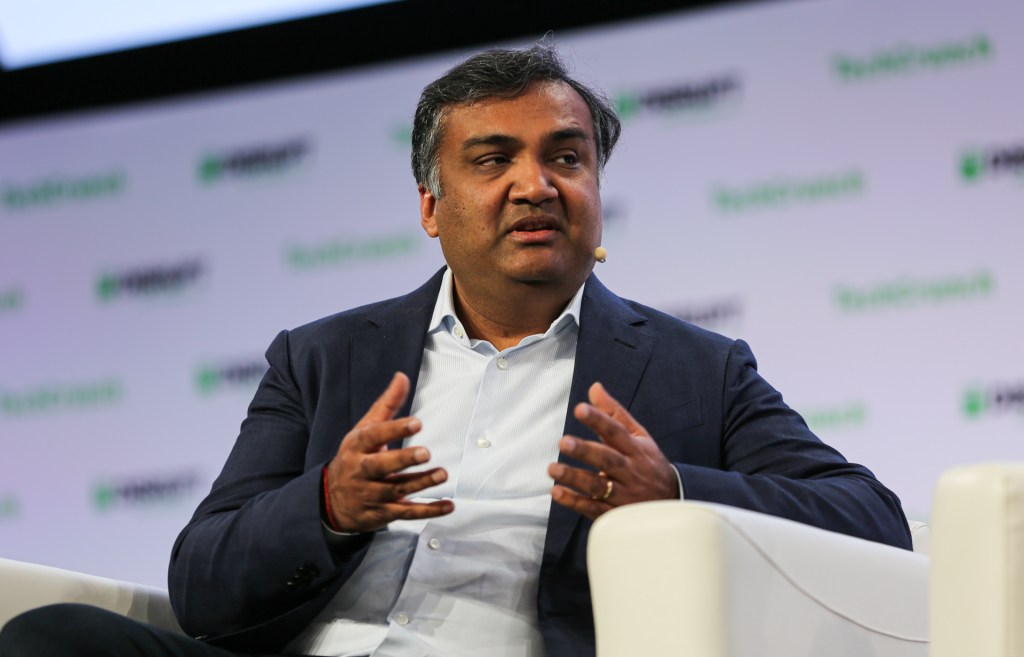
Microsoft’s New Gaming CEO Pledges to Preserve Artistic Integrity Amid AI Integration
In a significant leadership transition, Microsoft has appointed Asha Sharma as the new CEO of Microsoft Gaming, succeeding Phil Spencer. This change coincides with the departure of Xbox President Sarah Bond, signaling a strategic shift within the company’s gaming division.
Asha Sharma brings a wealth of experience from her previous roles at Instacart and Meta, and most recently served as the president of Microsoft’s CoreAI product. Her appointment suggests a deliberate move by Microsoft to deepen the integration of artificial intelligence (AI) into its gaming ecosystem.
Microsoft has been actively exploring the convergence of AI and gaming. Notable initiatives include the development of an AI gaming companion and the release of an AI-generated level for Quake II. These projects underscore the company’s commitment to leveraging AI to enhance gaming experiences.
In an internal memo obtained by The Verge, Sharma outlined her vision for the future of Microsoft’s gaming division. She emphasized the company’s intent to invent new business models and new ways to play, highlighting the evolving roles of monetization and AI in shaping this future. However, Sharma was clear in her stance against compromising quality for efficiency, stating that the company will not chase short-term efficiency or flood our ecosystem with soulless AI slop.
Sharma’s commitment to maintaining the artistic integrity of games is evident in her assertion that games are and always will be art, crafted by humans, and created with the most innovative technology provided by us. This perspective aligns with a broader industry sentiment that, while AI can be a powerful tool in game development, it should not overshadow the human creativity that defines the medium.
Beyond her focus on AI integration, Sharma outlined two additional commitments in her memo:
1. Building Great Games Beloved by Players: Sharma emphasized the importance of developing high-quality games that resonate with the gaming community, ensuring that player satisfaction remains a top priority.
2. Prioritizing Xbox: She reaffirmed the company’s dedication to the Xbox platform, indicating that it will continue to be a central focus in Microsoft’s gaming strategy.
This leadership change and strategic direction come at a time when the gaming industry is increasingly exploring the potential of AI. Companies are experimenting with AI-driven content creation, procedural generation, and personalized gaming experiences. However, Sharma’s approach suggests a balanced perspective that values technological innovation while preserving the human touch that makes games compelling.
As Microsoft Gaming embarks on this new chapter under Sharma’s leadership, the industry will be watching closely to see how the company navigates the integration of AI in gaming. The challenge lies in harnessing AI’s capabilities to enhance gaming experiences without diluting the creativity and artistry that define the medium.
In conclusion, Asha Sharma’s appointment as CEO of Microsoft Gaming marks a pivotal moment for the company. Her vision emphasizes a harmonious blend of AI innovation and human creativity, aiming to deliver gaming experiences that are both technologically advanced and artistically rich. This approach not only sets a precedent for responsible AI integration in gaming but also reinforces Microsoft’s commitment to delivering quality and engaging content to its players.