Microsoft and Europol Dismantle Tycoon 2FA Phishing Platform, Disrupting Global Cyber Threat
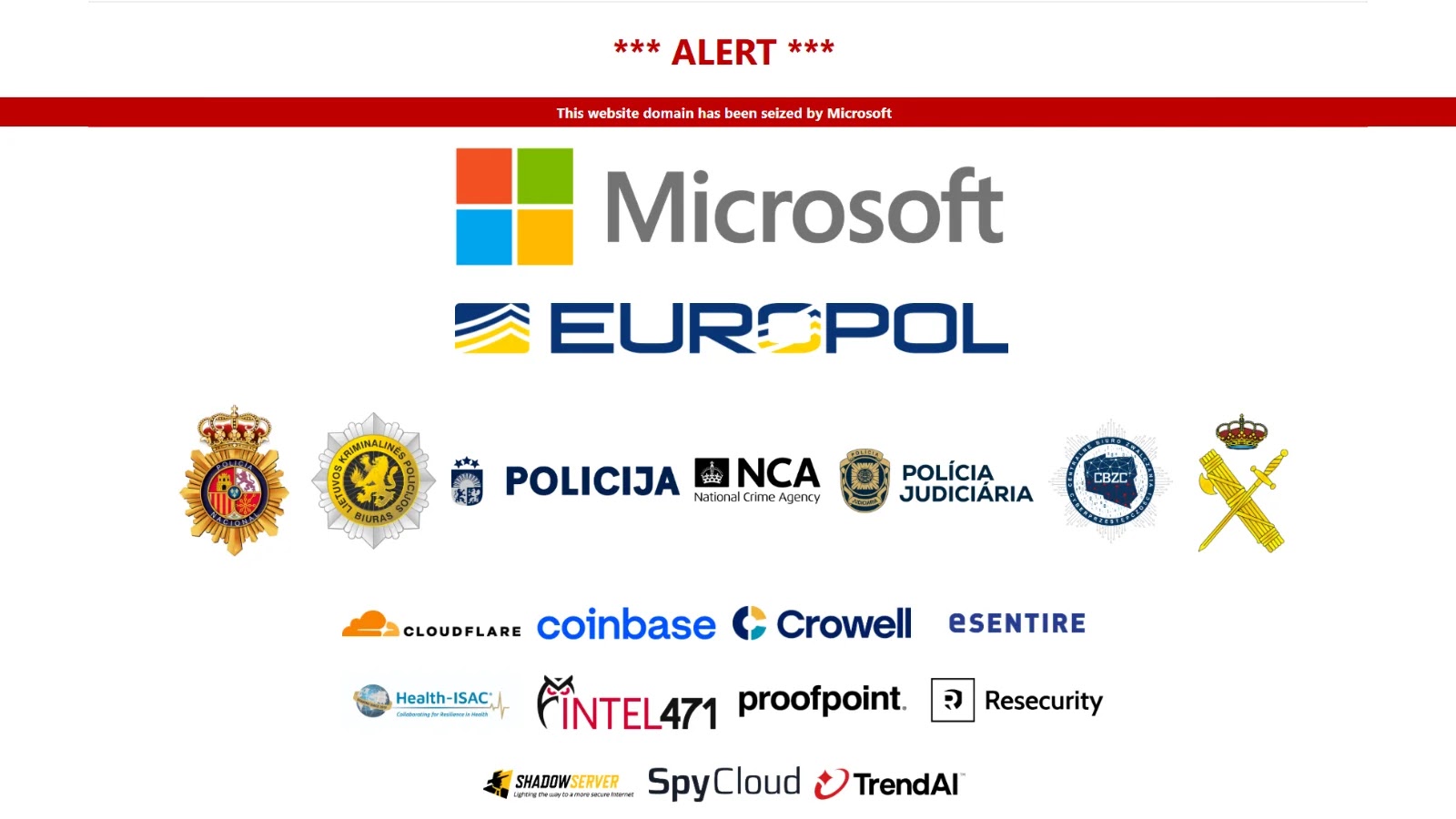
In a significant blow to cybercriminal operations, Microsoft, in collaboration with Europol and various partners, has successfully dismantled the Tycoon 2FA phishing-as-a-service (PhaaS) platform. This coordinated effort led to the seizure of 330 domains utilized for credential theft and bypassing multifactor authentication (MFA), effectively disrupting a service that had been active since 2023 and responsible for disseminating tens of millions of phishing emails monthly.
Understanding Tycoon 2FA’s Operations
Tycoon 2FA was a sophisticated platform that enabled cybercriminals to circumvent MFA protections through adversary-in-the-middle (AiTM) techniques. By capturing user credentials, session tokens, and real-time authentication codes, the platform facilitated unauthorized access to services such as Microsoft 365 and Gmail. This method allowed attackers to hijack user sessions without triggering security alerts, posing a significant threat to both individual users and organizations.
The Takedown: A Collaborative Effort
Under the authority of a U.S. court order and Europol’s Cyber Intelligence Extension Programme (CIEP), Microsoft spearheaded the seizure of Tycoon 2FA’s control panels and counterfeit login pages. This operation marked the first cross-border public-private takedown of its kind, setting a precedent for future collaborative cybersecurity efforts.
Impact on Phishing Activities
By mid-2025, Tycoon 2FA was linked to 62% of phishing attempts blocked by Microsoft, affecting approximately 96,000 victims, including 55,000 Microsoft customers. The healthcare and education sectors were particularly hard-hit, with over 100 Health-ISAC members targeted, leading to operational disruptions such as delayed patient care in New York hospitals and schools.
In November 2025, the platform’s activity peaked, nearly doubling its output from the previous month. This surge resulted in approximately 33 million phishing messages sent in a single month, making Tycoon 2FA the most prolific phishing service ever tracked by Microsoft. However, a significant decline was observed by January 2026, with phishing message volumes dropping by roughly 57.6% from their peak. This decline coincided with Microsoft’s infrastructure seizures and coordinated efforts with Europol during that period.
Technical Sophistication and Evasion Tactics
Tycoon 2FA employed advanced techniques to evade detection and enhance its effectiveness:
– Realistic Templates and Reverse Proxies: The platform used convincing templates and reverse proxies to relay victim inputs to legitimate services, effectively hijacking sessions without raising suspicion.
– Dynamic JavaScript and Evasion Features: It incorporated dynamic JavaScript, CAPTCHA challenges, bot filtering, browser fingerprinting, Base64/LZ compression, and DOM vanishing to evade detection.
– Multi-Domain Redundancy: The platform utilized multiple domains for data exfiltration, rapidly rotating them and employing domain generation algorithms to evade blocking measures.
Infrastructure and Operations
The platform’s infrastructure favored top-level domains such as .ru, .com, and .es, with rapid domain rotation to avoid detection. It was operated by Saad Fridi, a Pakistan-based individual, along with marketing and support partners. Tycoon 2FA integrated with services like RedVDS for hosting and email spam, reflecting the broader impersonation economy. Previous takedowns of similar platforms like Lumma Stealer, RaccoonO365, and Fake ONNX had forced shifts to Tycoon 2FA, highlighting the adaptive nature of cybercriminal operations.
MITRE ATT&CK Framework Mapping
Tycoon 2FA’s operations align with several tactics and techniques outlined in the MITRE ATT&CK framework:
– Reconnaissance (T1598): Phishing for Information
– Resource Development (T1583.001): Acquire Infrastructure: Domains
– Resource Development (T1588.002): Obtain Capabilities: Tool
Recommendations for Enhanced Security
To mitigate threats posed by sophisticated phishing platforms like Tycoon 2FA, organizations are advised to implement the following security measures:
– Deploy Phishing-Resistant MFA: Utilize passkeys, FIDO2 hardware keys, or other phishing-resistant MFA methods over traditional SMS or TOTP-based systems.
– Enforce Device Trust and Session Controls: Implement policies that ensure only trusted devices can access sensitive systems and monitor session behaviors for anomalies.
– Monitor for Proxy Anomalies and Unusual Logins: Use threat intelligence feeds to detect unusual login patterns and rapid domain rotations indicative of phishing activities.
– Educate Employees: Conduct regular training sessions to raise awareness about phishing tactics and encourage vigilance when handling emails and online communications.
Conclusion
The dismantling of the Tycoon 2FA phishing platform represents a significant victory in the ongoing battle against cybercrime. This operation underscores the importance of international collaboration and the need for continuous vigilance and adaptation in cybersecurity practices. By understanding the sophisticated methods employed by platforms like Tycoon 2FA and implementing robust security measures, organizations can better protect themselves against evolving cyber threats.