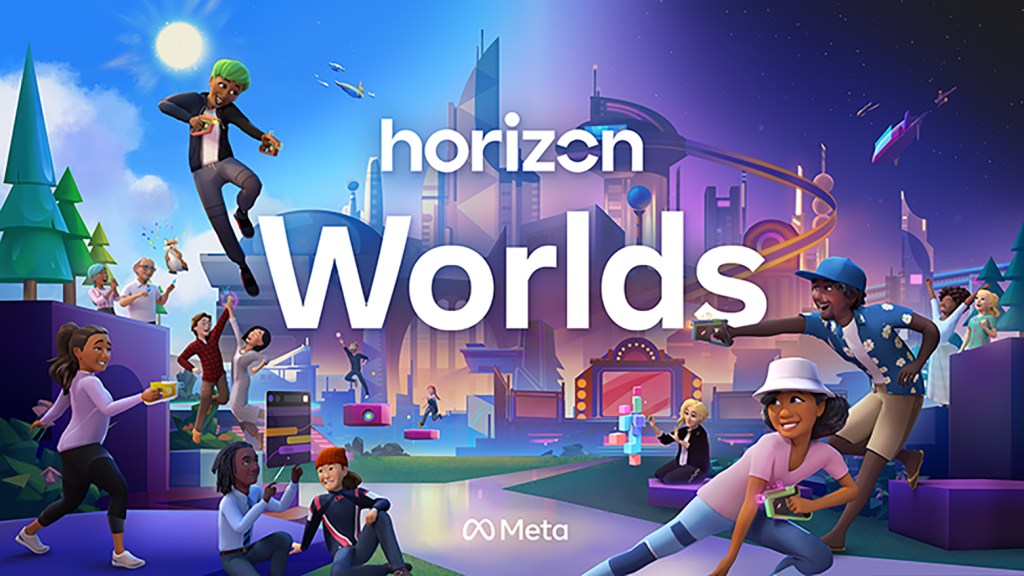
Meta’s Horizon Worlds Shifts Focus to Mobile, Redefining Virtual Engagement
In a strategic pivot, Meta has announced a significant transformation for its immersive virtual environment, Horizon Worlds. The company is transitioning the platform to be predominantly mobile-centric, explicitly decoupling it from the Quest VR system. This move signifies a substantial shift in Meta’s approach to virtual experiences, aiming to broaden accessibility and user engagement.
Background and Financial Context
Since its inception, Meta’s Reality Labs division, responsible for VR and smart glasses development, has faced considerable financial challenges, reporting losses nearing $80 billion since 2020. This financial strain has prompted a reevaluation of the company’s virtual reality ambitions and a redirection of resources toward more promising avenues.
Strategic Shift to Mobile
Originally launched in 2021 as a VR-exclusive platform, Horizon Worlds expanded to web and mobile platforms in subsequent years. The latest announcement underscores Meta’s commitment to a mobile-first strategy, with the goal of reaching a broader audience. By focusing on mobile accessibility, Meta positions Horizon Worlds to compete directly with established platforms like Roblox and Fortnite, which have successfully captured vast user bases through mobile engagement.
Samantha Ryan, Vice President of Content at Reality Labs, emphasized the strategic importance of this shift: We’re in a strong position to deliver synchronous social games at scale, thanks to our unique ability to connect those games with billions of people on the world’s biggest social networks. You saw this strategy start to unfold in 2025, and now, it’s our main focus.
Implications for Virtual Reality and AI Integration
While the emphasis is shifting toward mobile platforms, Meta remains committed to the development of VR hardware. Ryan highlighted a comprehensive roadmap for future VR headsets tailored to diverse audience segments, anticipating market growth and maturation.
Concurrently, Meta is redirecting its investments from the metaverse toward artificial intelligence. The company is now concentrating on developing AI wearables and advancing its proprietary AI models. During a recent earnings call, CEO Mark Zuckerberg articulated this vision: It’s hard to imagine a world in several years where most glasses that people wear aren’t AI glasses. He also noted a significant increase in sales of Meta’s smart glasses, describing them as some of the fastest-growing consumer electronics in history.
Broader Industry Trends and Meta’s Positioning
This strategic realignment reflects broader industry trends where companies are increasingly integrating AI technologies into consumer products. Meta’s decision to prioritize mobile platforms for Horizon Worlds aligns with the growing demand for accessible and versatile virtual experiences. By leveraging its extensive social network infrastructure, Meta aims to create a seamless and engaging environment for users across various devices.
Conclusion
Meta’s transition of Horizon Worlds to a mobile-first platform marks a pivotal moment in the company’s approach to virtual experiences. By decoupling from VR exclusivity and embracing mobile accessibility, Meta seeks to expand its user base and compete more effectively in the evolving digital landscape. This move, coupled with a renewed focus on AI integration, positions Meta at the forefront of technological innovation, aiming to redefine how users interact with virtual environments.