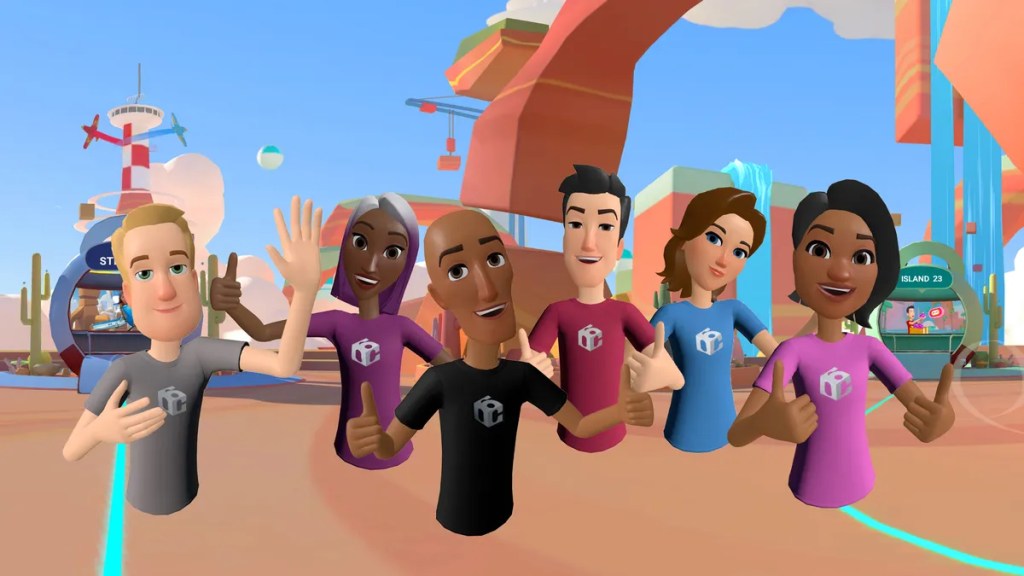
Meta’s Metaverse Dream Ends: A Shift Towards AI
In a significant strategic shift, Meta has decided to scale back its ambitious metaverse initiatives, signaling a departure from its previous focus on virtual reality (VR) and augmented reality (AR) technologies. This move includes laying off approximately 1,500 employees from its Reality Labs division—about 10% of the unit’s workforce—and shutting down several VR game studios.
The Rise and Fall of the Metaverse Vision
In 2021, Facebook rebranded itself as Meta, reflecting its commitment to building a metaverse—a virtual space where users could interact, work, and play. This rebranding aimed to position Meta at the forefront of the next digital frontier, leveraging VR and AR to create immersive experiences. The company invested heavily in this vision, pouring approximately $73 billion into Reality Labs. To put this into perspective, spending $1 million daily would take 200 years to reach that amount.
However, the metaverse failed to gain the anticipated traction. Early versions were criticized for their lackluster user experience, including avatars without legs and environments that felt incomplete. Despite the substantial investment, the division consistently reported significant losses, raising concerns among investors about the sustainability of such expenditures.
Strategic Reallocations and Layoffs
In December 2025, reports emerged that Meta planned to reduce the virtual reality department’s budget by up to 30%. This decision was part of a broader effort to streamline operations and focus on more promising technologies. The recent layoffs and studio closures are a direct consequence of this strategic realignment.
Among the affected studios are Armature Studio, known for Resident Evil 4 VR; Twisted Pixel, developers of Marvel’s Deadpool VR; and Sanzaru, creators of Asgard’s Wrath. Additionally, the VR fitness app Supernatural, acquired by Meta in 2023 for $400 million, will cease producing new content and transition into maintenance mode. Camouflaj, the studio behind Batman: Arkham Shadow VR game, has also been impacted by the layoffs.
The Shift Towards Artificial Intelligence
As Meta retreats from its metaverse ambitions, the company is redirecting its focus toward artificial intelligence (AI). This pivot aligns with broader industry trends, where AI technologies are increasingly seen as transformative across various sectors. Meta’s reallocation of resources suggests a strategic decision to invest in areas with more immediate potential for growth and profitability.
Industry Implications and Future Outlook
Meta’s withdrawal from the metaverse has broader implications for the tech industry. Other companies that had invested in similar virtual reality initiatives may reevaluate their strategies in light of Meta’s experience. The shift also underscores the challenges of predicting and capitalizing on emerging technologies, highlighting the importance of adaptability in the tech sector.
While the concept of the metaverse remains intriguing, its realization may be further off than previously anticipated. For now, the focus appears to be shifting toward AI and other technologies with more immediate applications and clearer paths to profitability.