Meta Halts Horizon OS Expansion to Third-Party VR Headsets
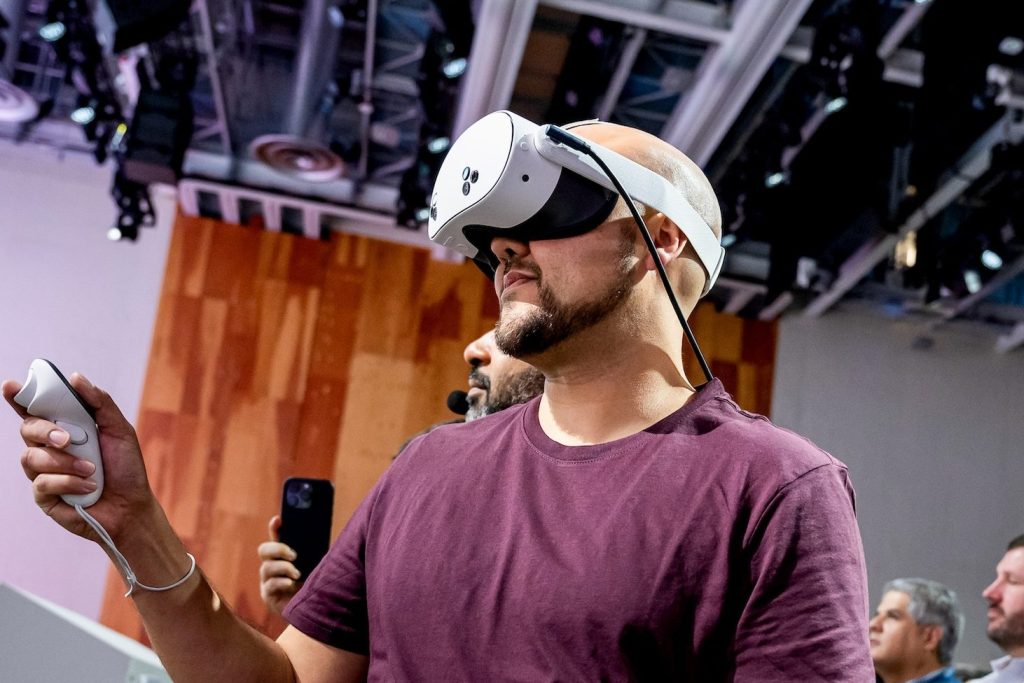
Meta has announced a pause in its initiative to extend the Meta Horizon OS—the mixed reality operating system powering its Quest headsets—to third-party device manufacturers. This program was a cornerstone of Meta’s metaverse strategy, aiming to foster a diverse hardware ecosystem that would provide users with a variety of devices for engaging with Meta’s digital environments.
A Meta spokesperson conveyed to TechCrunch, We have paused the program to focus on building the world-class first-party hardware and software needed to advance the VR market. We’re committed to this for the long term and will revisit opportunities for third-party device partnerships as the category evolves.
This development was initially reported by Road to VR.
In April 2024, Meta had unveiled plans to open Meta Horizon OS to third-party headset makers, collaborating with companies like Asus, Microsoft’s Xbox, and Lenovo to develop new hardware running Meta’s software. At that time, Meta emphasized the benefits of a broad hardware ecosystem, drawing parallels to the PC and smartphone industries, where a common platform supports both general-purpose and specialized devices.
Since the announcement, updates on the program have been sparse. During the company’s Connect event in September 2024, a Meta representative indicated ongoing collaborations with business partners to integrate Horizon OS into more devices.
Horizon OS was engineered to deliver immersive mixed reality experiences and enhance social presence through advanced technologies such as hand, body, eye, and face tracking. Its launch coincided with CEO Mark Zuckerberg’s assertion that the metaverse represented the future of the company.
However, recent trends suggest a shift in Meta’s focus. Reports from Bloomberg indicate that the metaverse division within Reality Labs, Meta’s unit dedicated to VR and AR hardware, is facing potential budget cuts of up to 30%. The company has confirmed plans to reallocate some investments from the metaverse toward AI-driven products like glasses and wearables, reflecting the growing momentum in that sector.
This strategic pivot underscores Meta’s evolving priorities as it navigates the rapidly changing landscape of virtual and augmented reality technologies.