Article Title: Meta’s Shift in VR Strategy: A Boon for Android XR
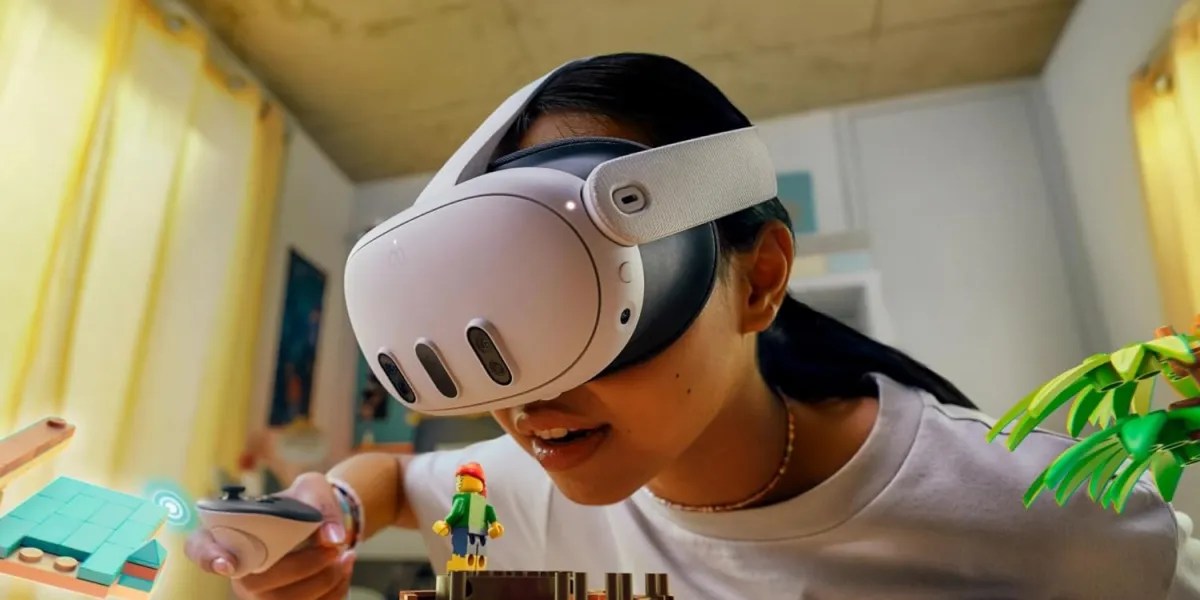
In a significant strategic shift, Meta has announced the suspension of its initiative to extend Horizon OS—the operating system powering its Quest headsets—to third-party hardware manufacturers. This decision, confirmed by Meta to Road to VR, marks a departure from the company’s earlier plans to collaborate with brands like Asus and Lenovo in expanding the Horizon OS ecosystem.
Background on Horizon OS Expansion
In 2024, Meta unveiled plans to license Horizon OS to external hardware partners, aiming to broaden the reach of its VR platform. This move was intended to allow manufacturers such as Asus and Lenovo to develop their own VR devices compatible with Meta’s extensive library of games and applications. The strategy was seen as a means to accelerate the adoption of VR technology by leveraging the innovation and market presence of established hardware brands.
Meta’s Revised Focus
However, Meta has now decided to pause this program, opting instead to concentrate on enhancing its first-party hardware and software offerings. A Meta spokesperson stated:
> We have paused the program to focus on building the world-class first-party hardware and software needed to advance the VR market. We’re committed to this for the long term and will revisit opportunities for 3rd-party device partnerships as the category evolves.
This pivot suggests that Meta is prioritizing the development of its own devices to maintain control over the user experience and technological advancements within its VR ecosystem.
Implications for Third-Party Manufacturers
The suspension of third-party Horizon OS partnerships leaves companies like Asus and Lenovo in a state of uncertainty. Devices that were in development under this program are now unlikely to reach the market, prompting these manufacturers to seek alternative platforms for their VR ambitions.
Opportunities for Android XR
Meta’s decision inadvertently creates a favorable environment for Google’s Android XR platform. Android XR, designed to support a wide range of VR and AR devices, offers a robust alternative for manufacturers seeking to enter the immersive technology space. Unlike Horizon OS, which is tailored specifically for Meta’s ecosystem, Android XR provides access to a broader app library and the flexibility inherent in the Android operating system.
Historical Context and Industry Dynamics
The relationship between Meta and Google in the XR space has been complex. In late 2023, Google proposed a partnership with Meta to collaborate on Android XR, aiming to unify efforts in the VR/AR domain. Meta declined this offer, choosing to pursue its own path with Horizon OS. This decision was part of Meta’s broader strategy to establish independence from platforms like Android, as evidenced by its earlier attempt to develop a custom VR/AR operating system—a project that was eventually abandoned in favor of continuing with Android-based solutions.
Current Landscape and Future Prospects
With Meta’s withdrawal from third-party collaborations, Android XR stands as the primary platform for manufacturers aiming to develop VR and AR hardware. Samsung’s upcoming Galaxy XR headset, expected to launch in October 2025, exemplifies the potential of Android XR in delivering high-quality immersive experiences. Additionally, companies like XREAL are developing Android XR-based devices, such as the Project Aura glasses, slated for a 2026 release.
Conclusion
Meta’s strategic realignment underscores the dynamic nature of the VR industry and highlights the challenges of balancing proprietary development with collaborative expansion. For third-party manufacturers, the shift presents an opportunity to align with Android XR, leveraging its open ecosystem to innovate and bring diverse VR and AR products to market. As the industry continues to evolve, the interplay between proprietary platforms and open-source solutions will shape the future of immersive technology.