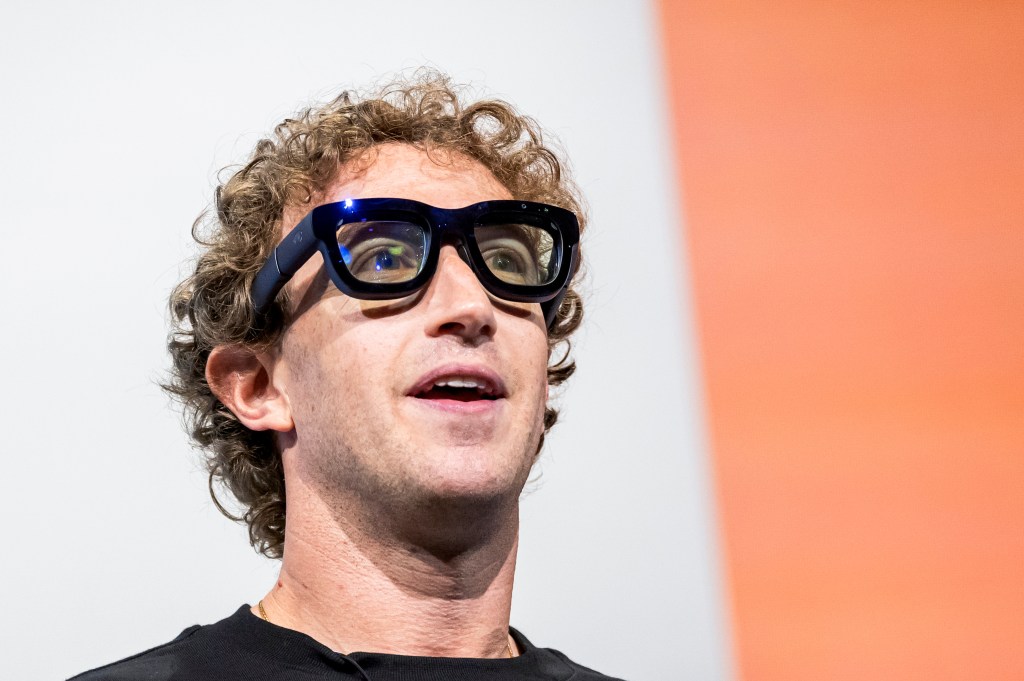
Meta’s AI Smart Glasses Under Fire: Privacy Lawsuit Alleges Misleading Claims
Meta Platforms Inc., the parent company of Facebook, is embroiled in a significant legal battle concerning its AI-powered smart glasses. A class-action lawsuit filed in the U.S. District Court for the Northern District of California alleges that Meta misled consumers about the privacy features of its smart glasses, exposing users to potential privacy violations.
Background of the Lawsuit
The lawsuit was initiated by plaintiffs Gina Bartone from New Jersey and Mateo Canu from California, represented by the Clarkson Law Firm. They contend that Meta’s marketing materials, which describe the smart glasses as designed for privacy, controlled by you, and built for your privacy, are deceptive. The plaintiffs argue that these assurances led them to believe their personal footage would remain private and not be accessible to third parties.
Allegations of Privacy Breaches
The core of the lawsuit centers on reports that contractors in Kenya, employed by Meta, have been reviewing footage captured by users’ smart glasses. This content reportedly includes highly sensitive and intimate moments, such as nudity, sexual activities, and private conversations. The plaintiffs assert that Meta failed to adequately disclose that such personal footage could be accessed and analyzed by human reviewers overseas.
Meta’s Response and Privacy Policies
In response to these allegations, Meta has stated that unless users choose to share media they’ve captured with Meta or others, that media remains on the user’s device. However, the company acknowledges that when users share content with Meta AI, contractors may review this data to enhance user experience. Meta emphasizes that steps are taken to filter this data to protect privacy and prevent the review of identifying information.
Marketing Claims vs. User Experience
The lawsuit highlights a significant discrepancy between Meta’s marketing claims and the actual user experience. The plaintiffs argue that the promise of user-controlled privacy is contradicted by the undisclosed human review process. They claim that if consumers had been aware of this practice, they might have reconsidered purchasing the smart glasses.
Legal Implications and Consumer Protection
The legal action accuses Meta and its manufacturing partner, Luxottica of America, of violating consumer protection laws. The plaintiffs seek monetary damages and an injunction requiring Meta to change its business practices and undertake an affirmative advertising campaign to correct the alleged misrepresentations.
Broader Context and Industry Impact
This lawsuit underscores growing concerns about privacy in the era of wearable technology. As devices like AI-powered smart glasses become more prevalent, the balance between innovation and user privacy becomes increasingly critical. The outcome of this case could set a precedent for how tech companies handle user data and communicate privacy policies.
Conclusion
Meta’s AI smart glasses, once heralded as a leap forward in wearable technology, are now at the center of a contentious legal dispute. The allegations of misleading privacy claims and unauthorized data review have sparked a broader conversation about consumer rights and corporate transparency in the digital age. As the case progresses, it will be closely watched by both the tech industry and privacy advocates.