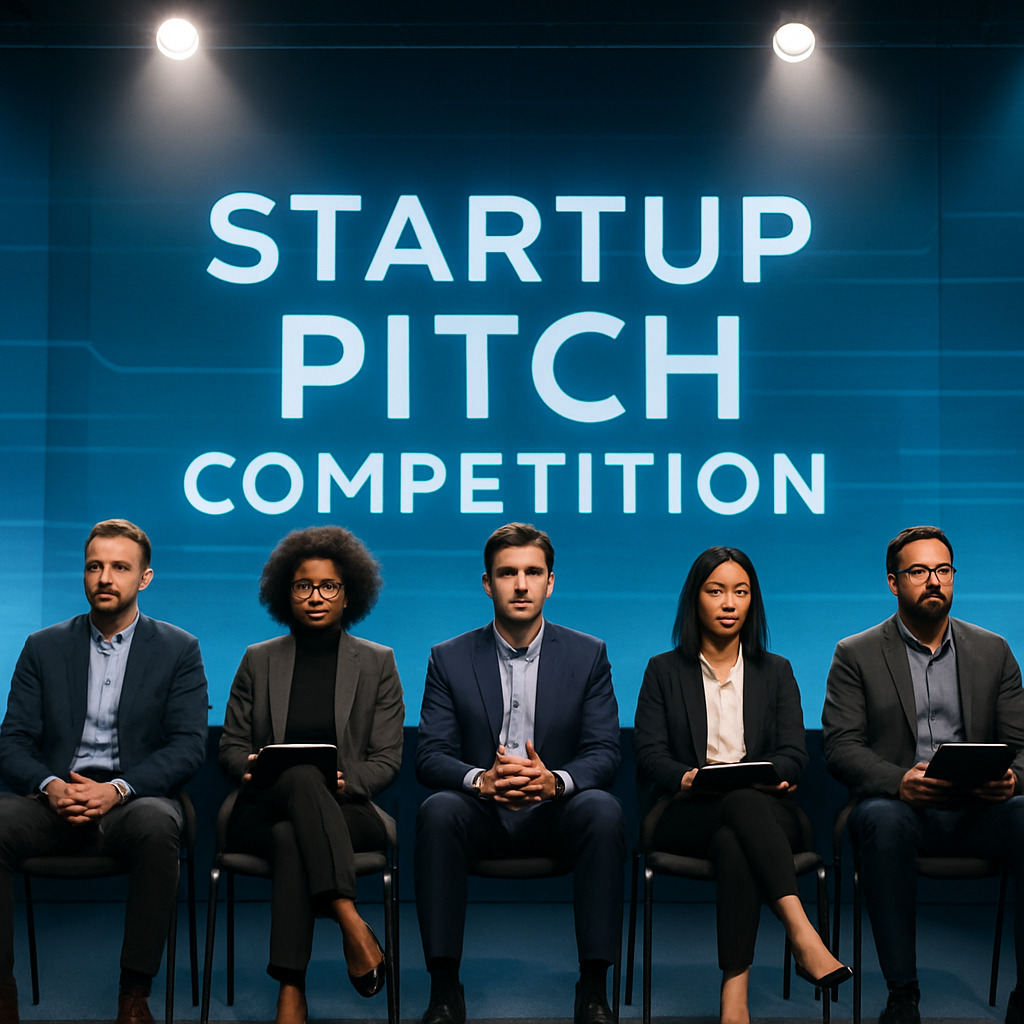
Startup Battlefield 200 is landing at Disrupt 2026 from October 13–15 inside San Francisco’s Moscone West. In this high-stakes pitch competition, every early-stage founder has six minutes on stage to make their case, with even sharper scrutiny during the Q&A that comes after. For thousands watching, it’s a rare behind-the-scenes look at how VCs assess market potential, execution risk, defensibility, and timing.
Expanding the Judging Bench
This year, the judging panel is being bolstered with five more name-brand investors, adding to the first 10 previously announced. These judges will help decide which founders walk away with the $100,000 grand prize — but also help shape Disrupt’s reputation as one of the top startup intensity showcases.
Introducing the New VC Judges
- Vaibhav “Dr.V” Agrawal – As co-founder and general partner at ODDBIRD VC, launched in 2024, he backs AI startups focused on health, real-world automation, critical supply chains, and bio. With an MBBS and Stanford MBA, he previously invested in early-stage firms at Lightspeed India. His portfolio includes Anterior, a healthcare AI company.
- Anu Bharadwaj – A partner at ICONIQ Growth specializing in enterprise software and AI. Before this role she was President and COO at Atlassian, where she oversaw major product and cloud initiatives. Her background includes leadership roles at Microsoft and a computer science degree.
- Sho Sho Leigha Ho – Joined General Catalyst in 2024 as its youngest partner to work on its seed team. Her investments span health, wellness, and early-stage AI. She also serves as board observer at Together AI, and has backed companies like Graylark and Autoscience.
- Miloni Madan Presler – A partner at IVP specializing in enterprise software, healthcare, and security at the inflection stage (Series B to pre-IPO). Previously with Summit Partners and Warburg Pincus, she brings growth equity rigor and global perspective — she’s fluent in four languages.
- Aidan Madigan-Curtis – At Eclipse Ventures, she leads investments in AI, computer vision, IoT, and climate-transition software. She’d been instrumental scaling hardware at Apple, then played a major role growing Samsara from early stage into a company with over $1B ARR. Also, she runs Eclipse’s carbon optimization framework to measure real emissions cuts across its portfolio.
The judges’ expertise spans bio, automation, enterprise software, hardware, climate tech, and AI. For founders on stage, matching the right audience during Q&A will be essential — especially with judges who’ve built in manufacturing or led hypergrowth SaaS companies.
Disrupt 2026 is expected to draw more than 10,000 tech leaders, VCs, and founders. Apart from the live pitches, it offers invaluable visibility for early-stage teams, access to deep investor feedback, and exposure to where macro tech investing is headed.
This expanded panel reinforces Startup Battlefield’s claim to the stage where rising startups are made or broken. As pitches sharpened by real-world questions from VCs with skin in similar games, what emerges will likely spotlight the next wave of breakout startups.
Why this matters: Disrupt has long been compared to a bootcamp for founders — and the quality and diversity of the judging board shows the signal that’s still intact. These investors aren’t just checking boxes; they’re actively shaping ecosystem expectations. What innovations these judges reward will point toward future trends in AI impact, health, hardware, and climate tech.