MacBook Neo Enhances Repairability with Modular Keyboard Design
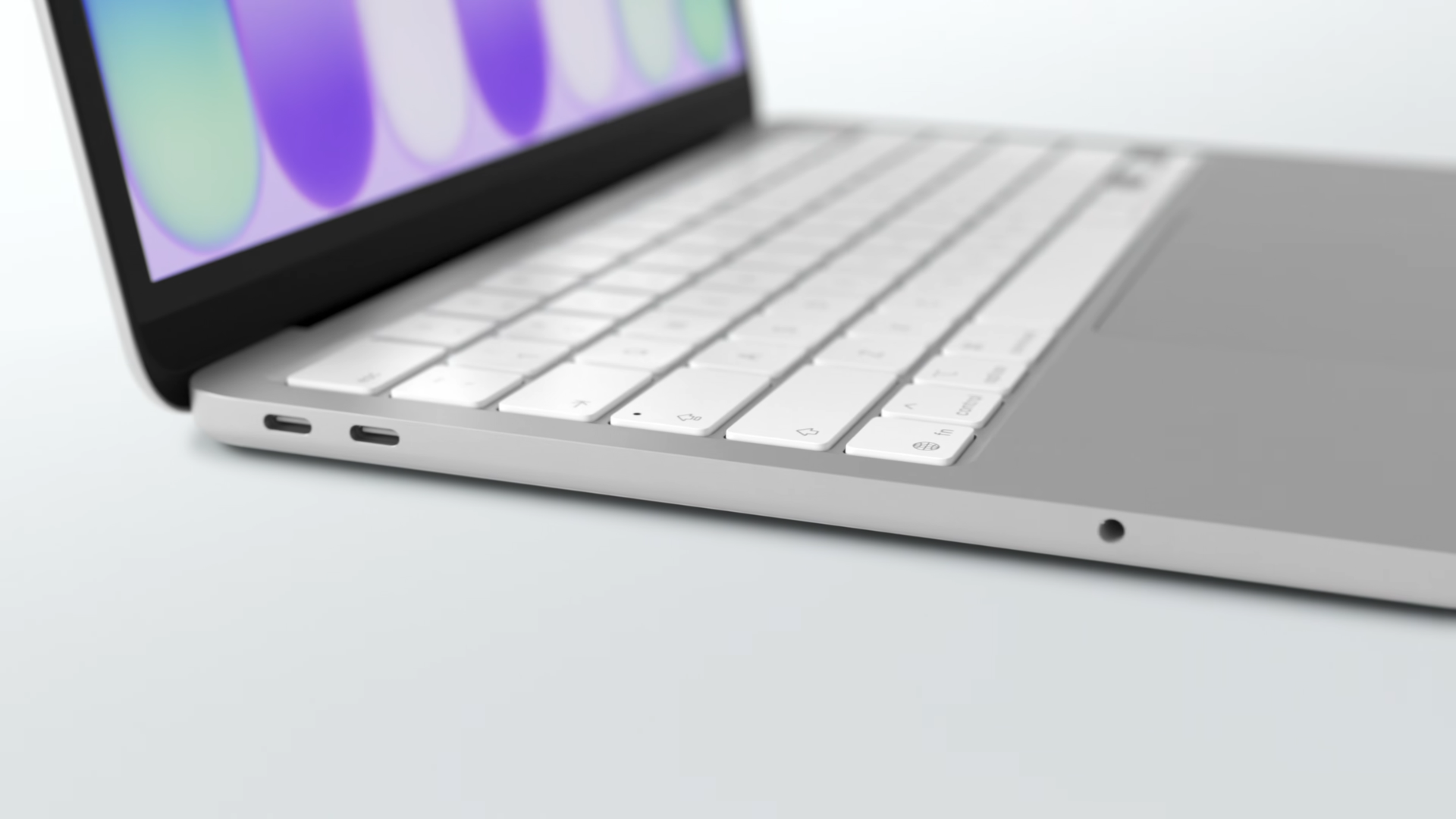
Apple’s latest release, the MacBook Neo, introduces a significant improvement in repairability by allowing technicians to replace the keyboard independently, without the need to remove the entire top case. This marks a departure from previous MacBook models, where the keyboard was integrated with the top case, necessitating extensive disassembly and higher repair costs for keyboard-related issues.
Streamlined Repair Process
In earlier MacBook iterations, addressing keyboard malfunctions required replacing the entire top case assembly, which included the keyboard, battery, and other components. This design not only complicated the repair process but also escalated the costs associated with such repairs. The MacBook Neo’s design simplifies this by securing the keyboard with over 40 screws, enabling direct access and replacement without disturbing the surrounding components.
Cost-Effective Maintenance
The modular approach adopted in the MacBook Neo is poised to reduce repair expenses significantly. Historically, top case replacements in MacBook Air and MacBook Pro models have ranged between $400 and $600 in the United States. By offering the keyboard as a separate component through its self-service repair store, Apple provides a more affordable solution for users, potentially lowering the financial burden of keyboard repairs.
User-Centric Design Philosophy
This design evolution reflects Apple’s responsiveness to user feedback and its commitment to enhancing product longevity. The MacBook Neo’s modular keyboard design not only facilitates easier repairs but also aligns with sustainable practices by minimizing electronic waste. Users can now address keyboard issues more efficiently, ensuring their devices remain functional without the need for extensive repairs.
Conclusion
The MacBook Neo’s innovative keyboard design signifies a positive shift towards user-friendly and cost-effective repair solutions. By allowing independent keyboard replacements, Apple enhances the overall user experience, offering a practical and economical approach to device maintenance. This development is likely to be well-received by consumers seeking durable and easily serviceable technology.