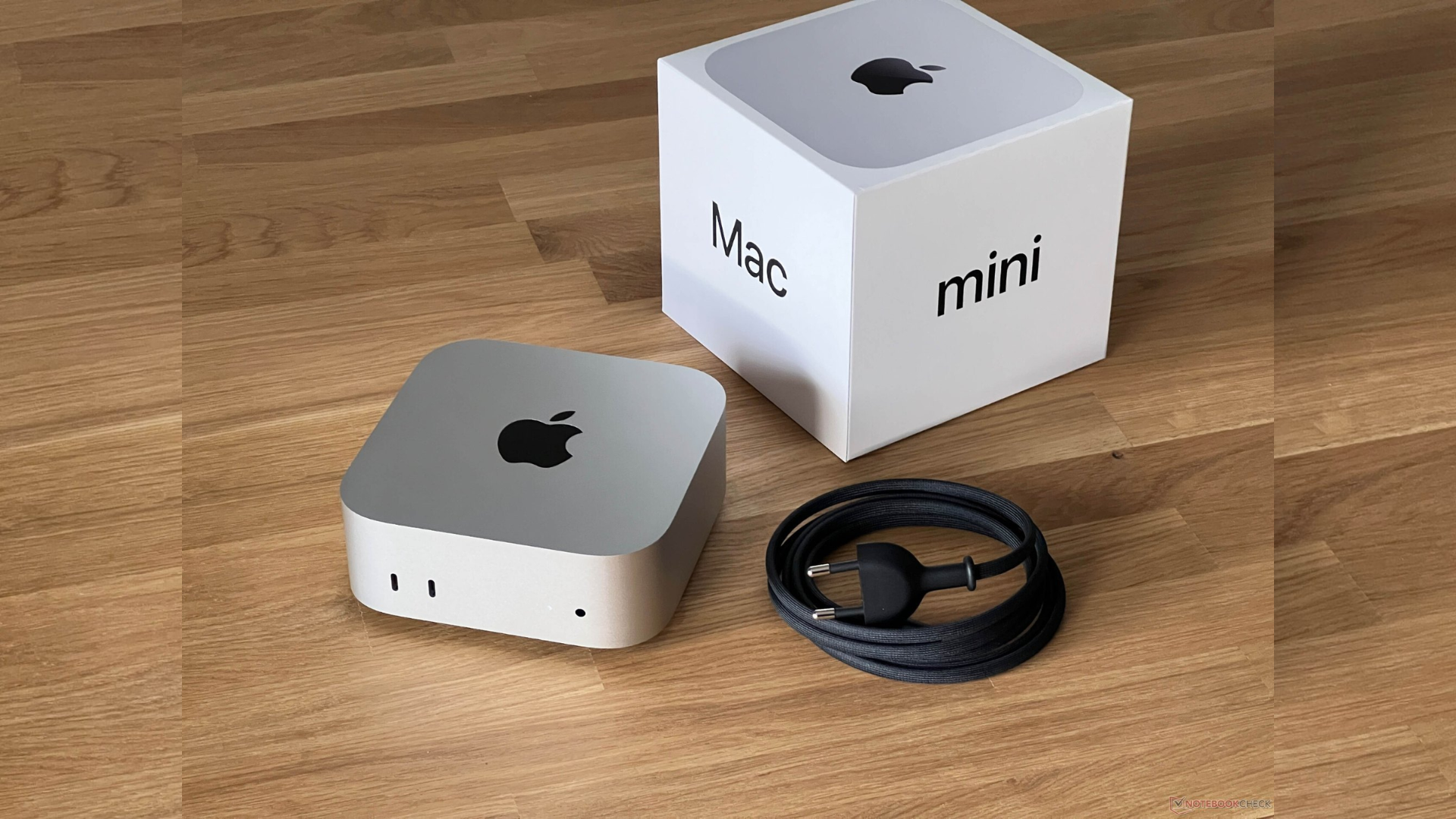
Apple’s Mac mini has experienced a notable surge in popularity among developers, particularly those engaged with OpenClaw, an autonomous AI agent designed to manage personal tasks, automation, and software experiments. The compact desktop’s robust performance, powered by Apple’s M-series chips, enables users to run AI agents continuously without the need for complex server setups at home.
Many engineers are dedicating Mac minis exclusively to OpenClaw to prevent the AI from interfering with their primary computers. Operating an autonomous AI agent carries inherent risks, especially when it has access to personal data such as email accounts, messaging platforms, and smart home devices. To mitigate these risks, developers are utilizing the Mac mini as a controlled environment, allowing the AI to function independently while keeping their personal devices separate.
Reports indicate that demand for Mac minis has increased since OpenClaw’s launch in November, with higher-spec models experiencing delayed delivery dates on Apple’s website and resellers listing them on secondary markets.
Developers Embrace Dedicated Machines for OpenClaw
Aaron Ng, a 35-year-old AI engineer from San Francisco, purchased a Mac mini in January specifically to experiment with OpenClaw. He chose to run the AI agent on a separate machine to avoid granting it access to his main computer, citing the high risk of allowing it to operate freely on his primary device.
Ng configured the agent with separate Gmail and iMessage accounts, utilizing it to manage administrative tasks, monitor updates about his newborn child, and control smart lighting in his home. He noted that sending baby logs to the AI replaced apps he found cumbersome to use.
The growing interest in Mac minis has transformed the device into a status symbol within certain tech circles. Developers are stacking multiple units on their desks to run several AI agents simultaneously, showcasing the machine’s versatility and performance.
Sustained Demand and Market Impact
The Mac mini’s base model starts at $599, but developers often opt for configurations with additional memory and storage, bringing the cost closer to $2,000. These enhanced specifications enable the machines to handle continuous workloads and run AI agents without interruptions.
Entrepreneurs and investors have also joined the trend. Venture capitalist Geoffrey Woo shared a photo of two Mac minis on social media after expanding his setup, illustrating the rapid adoption of these machines among AI enthusiasts.
While more affordable hardware options like Raspberry Pi boards exist, the Mac mini continues to attract buyers due to Apple’s chips delivering strong performance in a compact and quiet desktop. The expanding OpenClaw community shows no signs of slowing down, positioning the Mac mini at the center of many developers’ home AI labs.