Lunar Energy Secures $232 Million to Expand Home Battery Solutions and Strengthen the Grid
In a significant move within the energy storage sector, Lunar Energy, a six-year-old startup specializing in residential battery systems, has successfully raised $232 million through two substantial funding rounds. The company disclosed a previously unannounced $130 million Series C led by Activate Capital and a $102 million Series D spearheaded by B Capital and Prelude Ventures. This infusion of capital elevates Lunar Energy’s total funding to over $500 million, positioning it as a formidable player in the home energy storage market.
Strategic Expansion and Manufacturing Goals
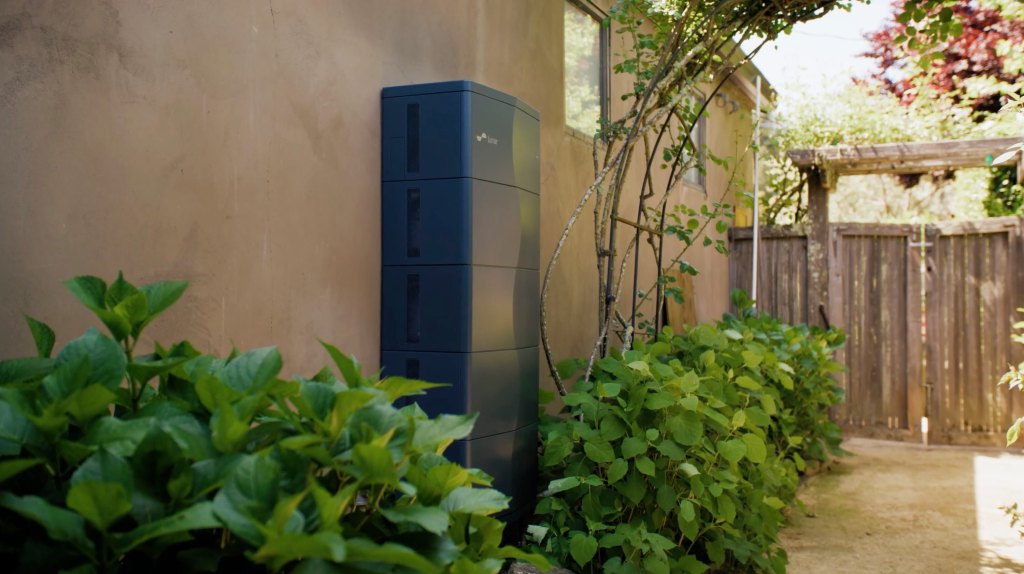
Lunar Energy has outlined ambitious plans to scale its manufacturing capabilities. The company aims to produce 20,000 battery units by the end of this year, with a target of reaching 100,000 units by the close of 2028. This expansion is set to cater to homeowners in California, Georgia, and Washington, providing them with advanced battery packs designed to enhance energy resilience and efficiency.
The Growing Importance of Stationary Energy Storage
The energy landscape is undergoing a transformative shift, with stationary energy storage systems gaining prominence. This trend is particularly notable in the United States, where the demand for reliable and sustainable energy solutions is escalating. The recent policy changes, including the reduction of incentives from the Inflation Reduction Act, have prompted battery manufacturers to explore alternative avenues. Stationary storage solutions, such as those offered by Lunar Energy, are emerging as vital components in bolstering grid resilience amidst an increasingly electrified economy and the surge in data center demands.
Virtual Power Plants: A Game-Changer for the Grid
Lunar Energy’s battery systems are designed with modularity in mind, offering 5 kilowatt-hour units that can be configured into 15 to 30 kilowatt-hour setups. These systems are not merely for individual home use; they are integral to the company’s Virtual Power Plant (VPP) software. This innovative platform enables the aggregation and management of distributed energy resources, including electric vehicle chargers and household appliances. By orchestrating these resources, Lunar Energy can supply power to the grid during peak demand periods and mitigate consumption when necessary. VPPs are anticipated to play a crucial role in replacing traditional, costly, and environmentally detrimental peaking power plants in the near future.
Competitive Landscape and Industry Momentum
The residential energy storage market is witnessing heightened competition and investment. In October, Base Power secured a monumental $1 billion in funding, following a $200 million round earlier in the year, to advance its residential battery-based VPP initiatives. Tesla continues to expand its Powerwall-based VPP operations, while former Tesla executive JB Straubel’s startup, Redwood Materials, has ventured into the energy storage domain. Even automotive giant Ford is exploring opportunities in this burgeoning sector. The modular nature of battery systems, coupled with their rapid deployment capabilities and decreasing costs, has made them attractive assets for investors and essential tools for modernizing the electrical grid.
Conclusion
Lunar Energy’s recent funding success underscores the growing significance of residential energy storage solutions in enhancing grid stability and supporting the transition to a more sustainable energy future. As the company scales its operations and refines its VPP technology, it is poised to make a substantial impact on the energy landscape, offering homeowners and the broader grid innovative solutions to meet the challenges of an electrified world.