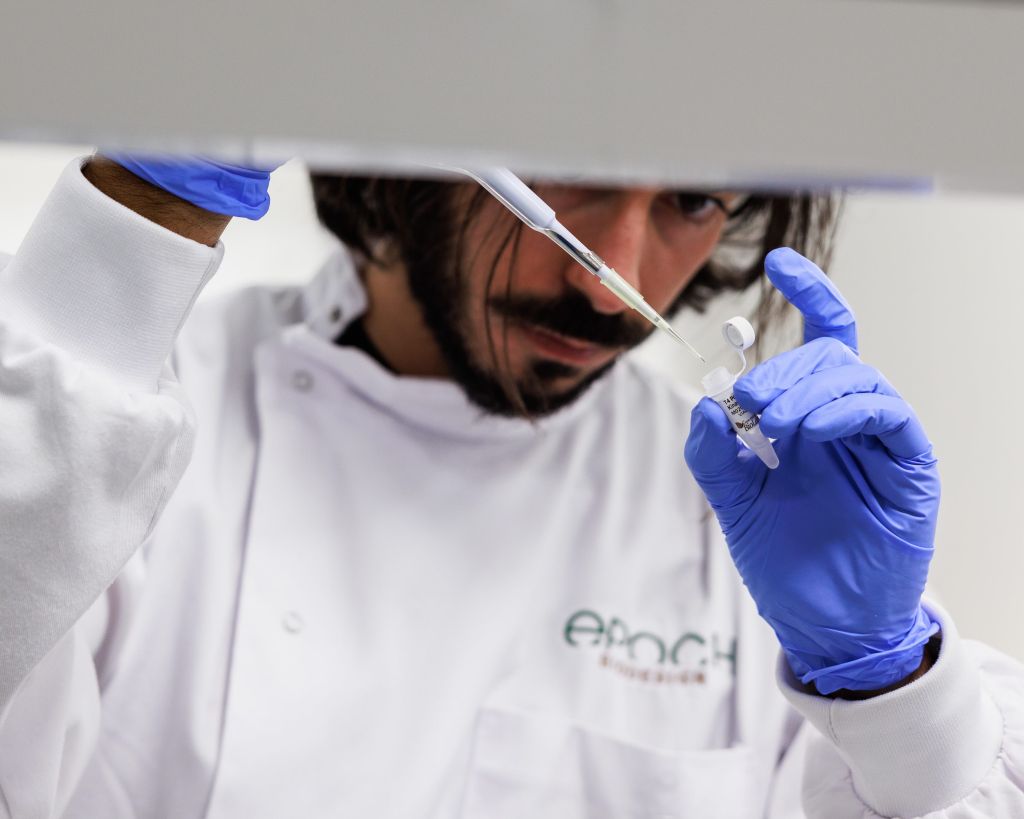
Lululemon Partners with Epoch Biodesign to Revolutionize Sustainable Apparel
In a groundbreaking move towards sustainability, Lululemon has announced a strategic partnership with Epoch Biodesign, a pioneering company specializing in enzymatic recycling technologies. This collaboration aims to transform the lifecycle of synthetic fabrics, particularly nylon 6,6, by converting post-consumer waste into reusable raw materials, thereby reducing reliance on fossil fuels and minimizing environmental impact.
The Challenge of Synthetic Fabric Waste
The fashion industry is a significant contributor to global waste, with synthetic fabrics like nylon and polyester accounting for approximately 60% of clothing produced today. Unfortunately, about 87% of these garments end up in landfills or are incinerated at the end of their lifecycle. Nylon 6,6, known for its durability and versatility, is especially prevalent in performance apparel but poses substantial recycling challenges due to its complex chemical structure.
Epoch Biodesign’s Innovative Approach
Epoch Biodesign, under the leadership of founder and CEO Jacob Nathan, has developed a series of specialized enzymes capable of breaking down synthetic polymers into their fundamental monomers. This enzymatic process effectively transforms waste textiles into raw materials suitable for creating new fabrics, offering a sustainable alternative to traditional petroleum-based production methods. Nathan emphasizes the potential of this technology, stating, For us, a bale of textile is the equivalent of a barrel of oil, highlighting the shift from fossil fuel dependence to utilizing existing waste streams.
The Partnership’s Objectives
By integrating Epoch Biodesign’s enzymatic recycling technology, Lululemon aims to establish a closed-loop system for its products. This initiative aligns with Lululemon’s broader sustainability goals, which include making 100% of its products with sustainable materials and end-of-use solutions by 2030. The partnership is set to span several years, focusing on scaling textile-to-textile recycling processes within the performance apparel industry.
Broader Industry Implications
This collaboration reflects a growing trend in the fashion industry towards sustainable practices. Companies like Samsara Eco have also partnered with Lululemon to develop infinitely recycled nylon and polyester from apparel waste. Similarly, startups like Olive and Beni are innovating in the e-commerce space to promote reusable packaging and secondhand shopping, respectively. These initiatives collectively contribute to a more sustainable and circular economy within the fashion sector.
Conclusion
Lululemon’s partnership with Epoch Biodesign represents a significant step forward in addressing the environmental challenges posed by synthetic fabric waste. By leveraging cutting-edge enzymatic recycling technologies, this collaboration not only aims to reduce the fashion industry’s carbon footprint but also sets a precedent for other companies to follow in the pursuit of sustainability.