Lenovo Chromebook Plus 14: A Glimpse into ChromeOS’s Evolving Landscape
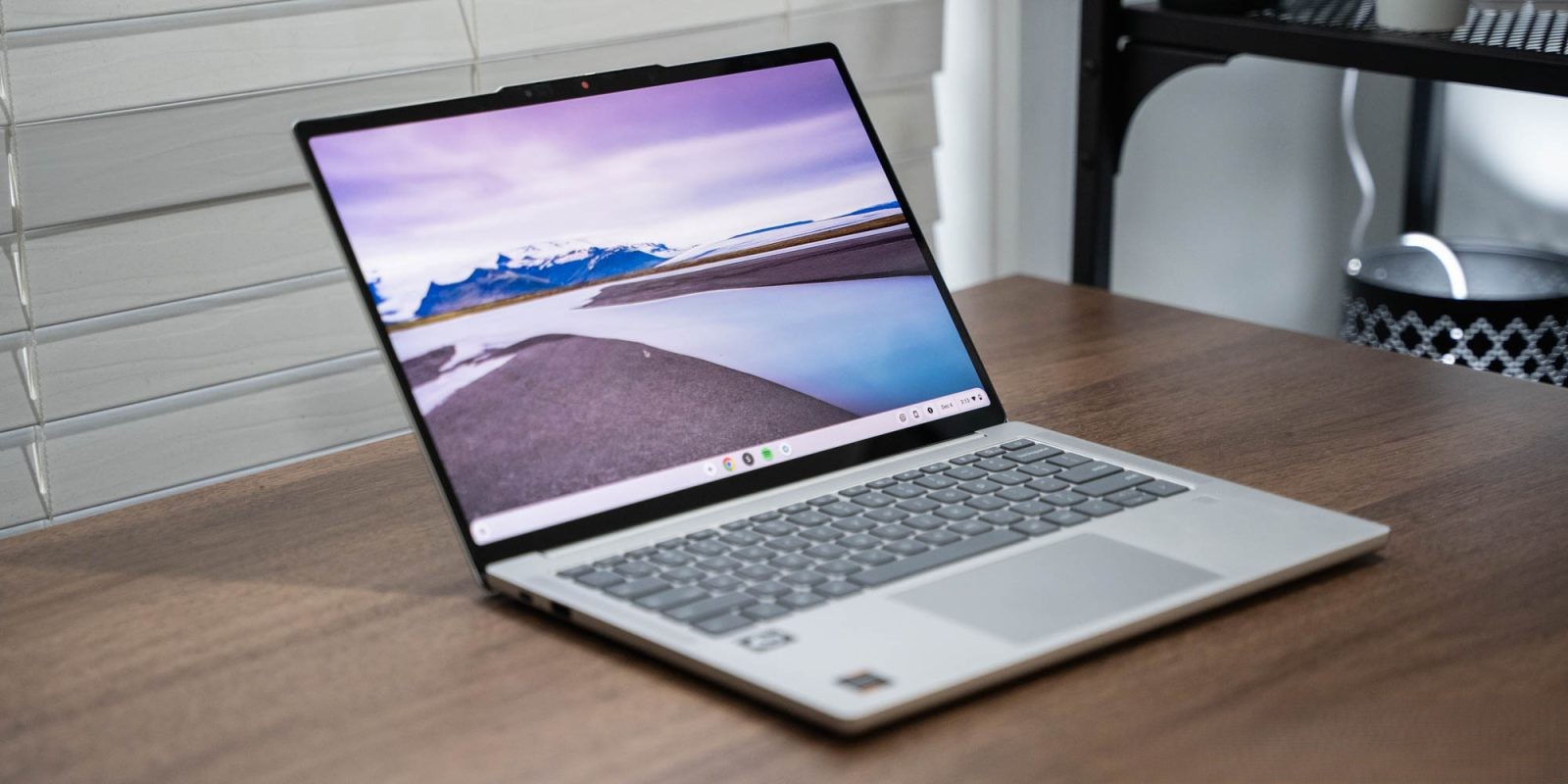
The Lenovo Chromebook Plus 14 emerges as a pivotal player in the current Chromebook lineup, embodying the latest advancements in ChromeOS technology. This device introduces the MediaTek Kompanio Ultra chipset, marking a significant step in ARM-based processing for Chromebooks. With configurations offering up to 16GB of RAM and a 14-inch OLED display, the Chromebook Plus 14 aims to deliver a robust user experience. Additional features include top-firing speakers, an impressive 17-hour battery life, and a selection of ports comprising two USB-C, one USB-A, and a headphone jack.
Lenovo’s reputation for crafting quality keyboards continues with this model, providing comfortable key travel and spacing that enhance typing efficiency. The expansive trackpad and bright OLED screen contribute to a user-friendly interface, suitable for various lighting conditions. The inclusion of a fingerprint sensor adds a layer of security and convenience. The audio system, featuring top-firing speakers, delivers a depth of sound that surpasses many competitors in its class.
Constructed with an aluminum chassis weighing approximately 2.58 pounds, the Chromebook Plus 14 offers a balance between durability and portability. Its design elements, such as the wavy bottom, draw parallels to Google’s Pixelbook Go, suggesting a thoughtful approach to aesthetics and functionality.
The integration of the MediaTek Kompanio Ultra chipset is a notable development, aiming to enhance performance for everyday tasks. However, some users have reported instances of lag and tab freezing, even during light workloads, which is unexpected for a device equipped with 16GB of RAM. This raises questions about the chipset’s ability to handle more demanding applications and multitasking scenarios.
ChromeOS continues to evolve, with a pronounced emphasis on artificial intelligence features. The Chromebook Plus 14 supports functionalities such as Select to search with Lens, enabling users to highlight content for immediate Google Search results. The Help me Read feature offers text summarization and clarification, enhancing comprehension. Additionally, the device includes AI-driven image editing tools within the Gallery app, facilitating background removal and sticker creation.
The smart grouping feature, designed to organize open tabs and documents based on tasks, leverages the device’s neural processing unit (NPU). However, some users have reported challenges in activating this feature, indicating potential areas for refinement.
Priced at $649 for the base model with 12GB of RAM, and $749 for the 16GB variant, the Chromebook Plus 14 occupies a unique position in the market. It offers a suite of features that appeal to ChromeOS enthusiasts but faces competition from similarly priced Windows laptops equipped with Snapdragon processors, which may offer broader software compatibility and performance advantages.
In summary, the Lenovo Chromebook Plus 14 serves as a testament to the ongoing development of ChromeOS and ARM-based processing in laptops. While it presents a commendable array of features and a solid design, potential buyers should weigh its performance characteristics and the evolving ChromeOS ecosystem against their specific needs and preferences.