Kentucky Farmer Declines $26 Million Offer to Preserve Family Land
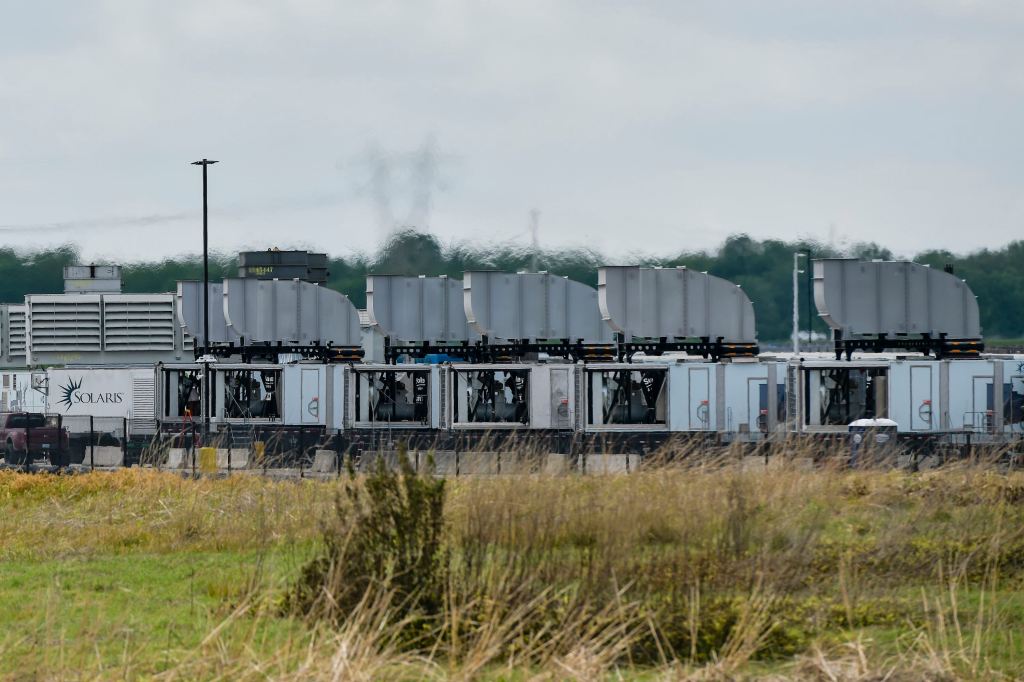
In the rolling hills of northern Kentucky, 82-year-old Ida Huddleston stands as a testament to the enduring bond between a farmer and her land. For generations, the Huddleston family has cultivated their 1,200-acre farm near Maysville, nurturing not just crops but a legacy deeply rooted in the soil. Recently, this legacy faced a formidable challenge when a prominent artificial intelligence company proposed purchasing a portion of their farm for $26 million to construct a data center.
The offer was substantial, promising financial security and the potential for economic development in Mason County. However, for Huddleston and her family, the decision transcended monetary considerations. They declined the proposal, prioritizing the preservation of their farmland and expressing concerns about the environmental and social implications of such a development.
They call us old stupid farmers, you know, but we’re not, Huddleston remarked in an interview with Local 12 WKRC. We know whenever our food is disappearing, our lands are disappearing, and we don’t have any water — and that poison. Well, we know we’ve had it. Her words reflect a deep-seated apprehension about the potential environmental degradation associated with large-scale industrial projects, including water shortages and soil contamination.
The identity of the AI company remains undisclosed, but reports indicate that it has revised its plans, seeking to rezone over 2,000 acres in northern Kentucky. This move suggests that the company remains intent on establishing a data center in the region, potentially adjacent to the Huddleston farm.
Huddleston’s skepticism extends beyond environmental concerns. She questions the purported economic benefits of the data center, expressing doubt that it would bring significant employment opportunities or economic growth to the local community. It’s a scam, she stated bluntly, reflecting a broader wariness among rural communities about the promises of large corporations.
This situation underscores a growing tension between technological advancement and rural preservation. As data centers become increasingly vital to the digital economy, companies are seeking expansive tracts of land to house these facilities. Rural areas, with their open spaces and lower property costs, often become targets for such developments. However, these projects can clash with the values and lifestyles of local residents who prioritize environmental stewardship and community cohesion over industrial expansion.
The Huddleston family’s decision highlights the complexities inherent in balancing progress with preservation. While technological infrastructure is essential for economic growth, it is crucial to consider the perspectives and well-being of local communities. Sustainable development requires a nuanced approach that respects the rights and traditions of those who have long called these lands home.
As the AI company continues its efforts to establish a data center in northern Kentucky, it faces the challenge of addressing the concerns of residents like Huddleston. Transparent communication, environmental safeguards, and genuine community engagement will be essential in navigating this delicate landscape.
In the broader context, this scenario serves as a reminder of the importance of ethical considerations in technological expansion. The pursuit of innovation should not come at the expense of environmental integrity or the displacement of communities. Instead, a collaborative approach that seeks to harmonize progress with preservation can lead to outcomes that honor both the past and the future.