Justin Bieber’s Frustration with Apple’s iMessage Design Sparks Widespread Discussion
Canadian pop sensation Justin Bieber recently took to social media to express his exasperation with a specific design feature in Apple’s iMessage application. The issue centers around the placement and functionality of the dictation button within the messaging interface, which Bieber claims disrupts his music listening experience.
In a candid post on X (formerly Twitter), Bieber stated, If I hit this dictation button after sending a text and it beeps and stops my music one more time, I’m gonna find everyone at Apple and put them in a rear naked choke hold. This remark, though hyperbolic, underscores his frustration with the user interface design.
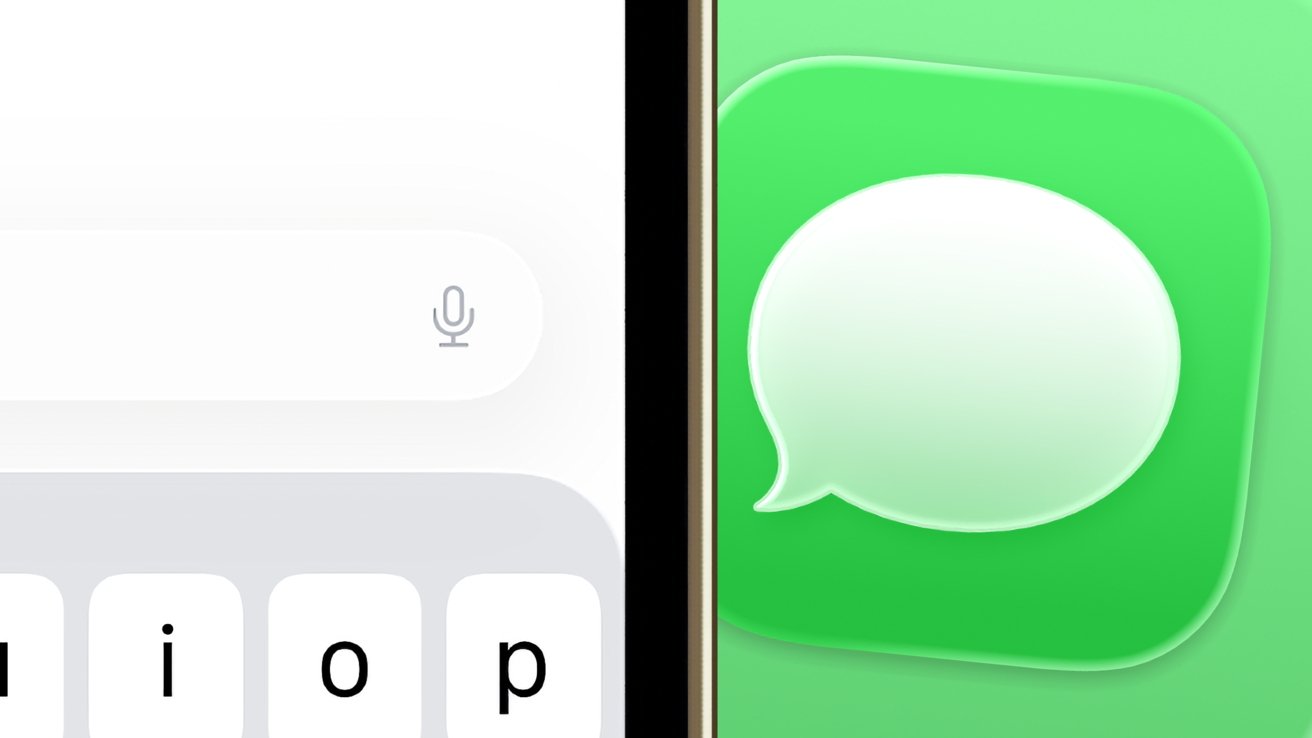
The crux of Bieber’s complaint lies in the dynamic nature of the dictation button. When the text input field is empty, the button appears as a microphone icon for dictation. Upon entering text, it transforms into the Send button. After sending the message or clearing the text field, it reverts to the microphone icon. This shifting functionality, combined with its placement near commonly used keyboard letters and suggested words, increases the likelihood of accidental activation.
Bieber elaborated on the issue, noting that even after disabling the dictation feature through the device’s settings, the button’s function changes to recording audio messages. This alternative still interrupts music playback, as the device pauses any ongoing audio to accommodate the recording. He emphasized, The send button should not have multiple functions in the same spot.
The singer’s public grievance resonated with many users who have encountered similar frustrations. The post quickly gained traction, drawing attention from notable figures in the tech industry. Elon Musk, CEO of Tesla and SpaceX, responded to Bieber’s post with two fire emojis, indicating his acknowledgment of the issue. Ian Silber, head of design at OpenAI, humorously invited Bieber to their weekly design critiques, suggesting a collaborative approach to addressing such design concerns.
This incident highlights a broader conversation about user interface design and the importance of intuitive functionality. While Apple’s design choices often aim to streamline user experience, this particular feature has sparked debate over its practicality and user-friendliness.
As of now, Apple has not issued an official response to Bieber’s comments. However, the widespread attention may prompt the tech giant to reconsider the design of the dictation button in future updates, ensuring a more seamless experience for all users.