John Ternus: Steering Apple’s Design Evolution and Emerging as CEO Successor
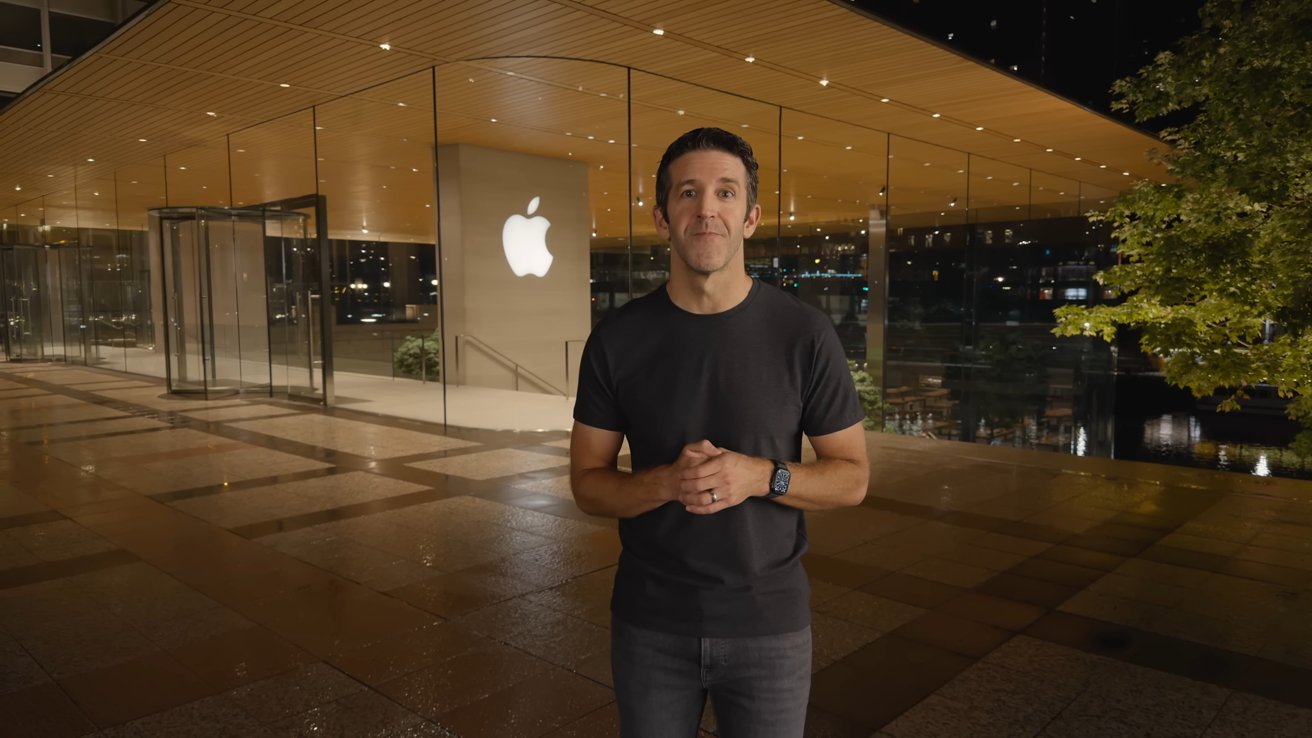
In a significant organizational shift, John Ternus, Apple’s Senior Vice President of Hardware Engineering, has assumed leadership of the company’s esteemed design teams. This move not only underscores Ternus’s expanding influence within Apple but also positions him as a prominent candidate to succeed CEO Tim Cook.
Ternus’s association with Apple began in 2001 when he joined the Product Design team. Over the years, he has been instrumental in the development of key products, including every iteration of the iPad, the iPhone 12 series, and the AirPods. His promotion to Vice President of Hardware Engineering in 2013 marked a significant milestone, leading to his current role as Senior Vice President. In this capacity, Ternus has been pivotal in Apple’s transition to proprietary silicon, a move that has redefined the company’s hardware capabilities. ([appleinsider.com](https://appleinsider.com/articles/21/04/02/john-ternus-now-listed-as-svp-of-hardware-engineering-on-apples-leadership-page?utm_source=openai))
The decision to place Ternus at the helm of Apple’s design teams follows the retirement of Chief Operating Officer Jeff Williams at the end of 2025. Williams had temporarily overseen the design division after the departure of Evans Hankey, the former Vice President of Industrial Design, in 2023. Hankey’s exit had left a leadership void, prompting Williams to step in until a permanent successor was identified. ([appleinsider.com](https://appleinsider.com/articles/25/07/08/apples-design-team-leadership-in-flux-once-again-with-jeff-williams-retirement?utm_source=openai))
Under Ternus’s leadership, the design teams are expected to experience a renewed synergy between hardware engineering and design aesthetics. This integration aims to foster innovative product development, ensuring that Apple’s offerings continue to set industry standards. Ternus’s comprehensive understanding of hardware intricacies, combined with his appreciation for design principles, positions him uniquely to drive this collaborative effort.
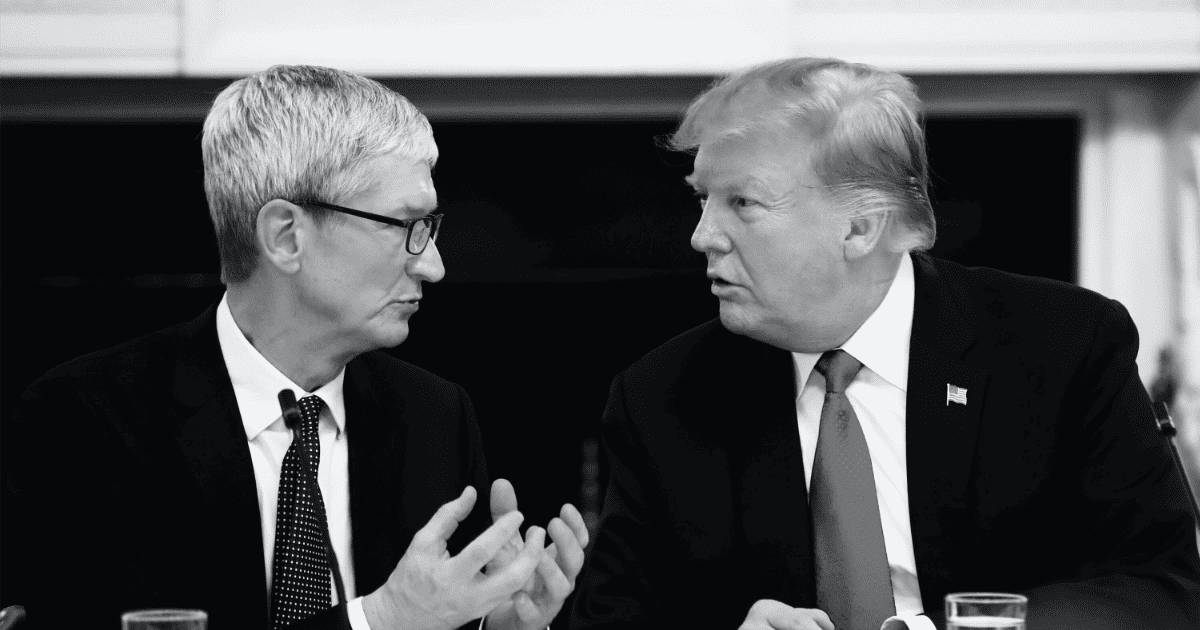
The absence of a formal announcement regarding Ternus’s new responsibilities is noteworthy. Reports suggest that Apple is deliberately maintaining discretion to avoid drawing attention to Ternus’s rising prominence, which could lead to speculation about Tim Cook’s future plans. Cook, who turned 65 in November 2025, has not indicated any immediate retirement intentions. However, the strategic delegation of significant responsibilities to Ternus aligns with prudent succession planning, ensuring leadership continuity for Apple’s future. ([appleinsider.com](https://appleinsider.com/articles/26/01/22/apples-john-ternus-solidifies-his-role-as-ceo-apparent-amid-design-team-shakeup?utm_source=openai))
Beyond his expanded role in design, Ternus has been increasingly involved in various facets of Apple’s operations. This broader engagement is interpreted as part of Cook’s strategy to prepare Ternus for potential future leadership roles. By immersing him in diverse aspects of the company’s business, Apple is equipping Ternus with the experience and insight necessary to navigate the complexities of leading a global technology enterprise.
Apple’s design team has long been a cornerstone of the company’s identity, producing iconic products that have defined consumer technology. The leadership of figures like Jony Ive, who guided the team through some of its most innovative years, set a high bar for design excellence. Ternus’s appointment signifies a commitment to upholding this legacy while infusing fresh perspectives into the design process.
The transition also reflects a broader trend within Apple of integrating hardware and software design more closely. By aligning these disciplines under cohesive leadership, Apple aims to enhance the seamless user experience that has become its hallmark. Ternus’s background in hardware engineering, coupled with his collaborative approach, is expected to drive this integration forward.
As Apple continues to navigate a rapidly evolving technological landscape, the emphasis on strong, visionary leadership becomes increasingly critical. Ternus’s expanded role not only addresses immediate organizational needs but also signals a strategic investment in leadership development. By positioning Ternus at the intersection of hardware engineering and design, Apple is fostering a holistic approach to product development that is likely to yield innovative and cohesive offerings.
In conclusion, John Ternus’s assumption of leadership over Apple’s design teams marks a pivotal moment in the company’s organizational evolution. It reflects a deliberate strategy to integrate design and engineering, prepare for future leadership transitions, and maintain the innovative spirit that defines Apple. As Ternus steps into this expanded role, the industry will be watching closely to see how his influence shapes the next generation of Apple products and the company’s trajectory in the years to come.