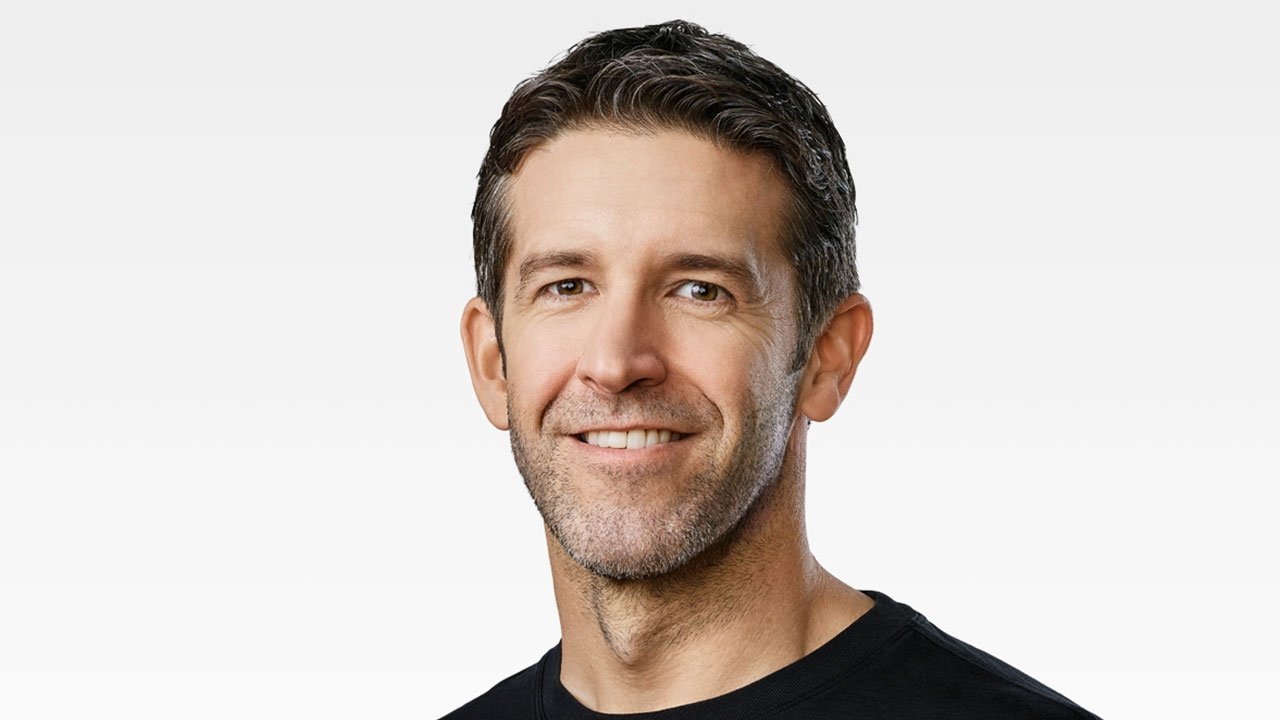
As Apple approaches a pivotal leadership transition, John Ternus, the company’s Senior Vice President of Hardware Engineering, has emerged as a prominent candidate to succeed CEO Tim Cook. This development underscores Apple’s commitment to strategic succession planning, ensuring continuity and stability in its executive ranks.
John Ternus: A Profile in Innovation
John Ternus’s journey at Apple began in 2001 when he joined the Product Design team. Over the years, he has played a crucial role in the development of key products, including the iPhone, iPad, Mac, and AirPods. His leadership was instrumental during Apple’s transition from Intel processors to its proprietary Apple Silicon, marking a significant milestone in the company’s hardware evolution. In 2021, Ternus was promoted to Senior Vice President of Hardware Engineering, succeeding Dan Riccio. In this role, he oversees the engineering teams responsible for Apple’s diverse hardware portfolio. ([en.wikipedia.org](https://en.wikipedia.org/wiki/John_Ternus?utm_source=openai))
Tim Cook’s Tenure and Succession Planning
Tim Cook has been at the helm of Apple since 2011, steering the company through a period of unprecedented growth and innovation. As he approaches his 65th birthday, discussions about his eventual retirement have intensified. Reports suggest that Cook has expressed a desire to reduce his workload, potentially transitioning to a role as chairman of Apple’s board. This scenario has prompted the company to accelerate its succession planning efforts. ([mactech.com](https://www.mactech.com/2026/01/08/report-claims-apple-is-accelerating-plans-to-replace-tim-cook-with-john-ternus/?utm_source=openai))
The Case for John Ternus as CEO
At 50, Ternus represents a younger generation of leadership within Apple, aligning with the company’s preference for long-term stability at the executive level. His extensive experience in hardware engineering and product development positions him as a strong candidate to lead Apple into its next chapter. Ternus’s colleagues describe him as charismatic and well-liked, qualities that are essential for a CEO tasked with maintaining Apple’s culture of innovation and excellence. ([9to5mac.com](https://9to5mac.com/2024/05/08/apple-ceo-tim-cook-john-ternus-successor/?utm_source=openai))
Alternative Succession Scenarios
While Ternus is a leading contender, other internal candidates are also under consideration. Jeff Williams, Apple’s Chief Operating Officer, was once viewed as a potential successor. However, at 61, and with plans to retire by the end of this year, Williams’s window for ascending to the CEO role appears to have closed. ([macrumors.com](https://www.macrumors.com/2025/10/07/heres-who-is-expected-to-be-next-apple-ceo/?utm_source=openai))
Strategic Implications of Leadership Transition
Apple’s proactive approach to succession planning reflects its commitment to operational continuity. Given the company’s global manufacturing scale and complex supply chain, a seamless leadership transition is crucial to maintaining stability and investor confidence. By identifying and preparing internal candidates like Ternus, Apple aims to ensure that its strategic vision and innovative momentum continue unabated. ([appleinsider.com](https://appleinsider.com/articles/26/01/08/yes-john-ternus-is-back-in-the-apple-ceo-rumor-cycle?utm_source=openai))
Conclusion
As Apple navigates this critical juncture, the focus on John Ternus as a potential successor to Tim Cook highlights the company’s dedication to thoughtful and strategic leadership development. While the exact timing of the transition remains uncertain, Apple’s deliberate planning underscores its commitment to sustaining its legacy of innovation and market leadership.