iRobot’s Journey: From Innovation to Insolvency
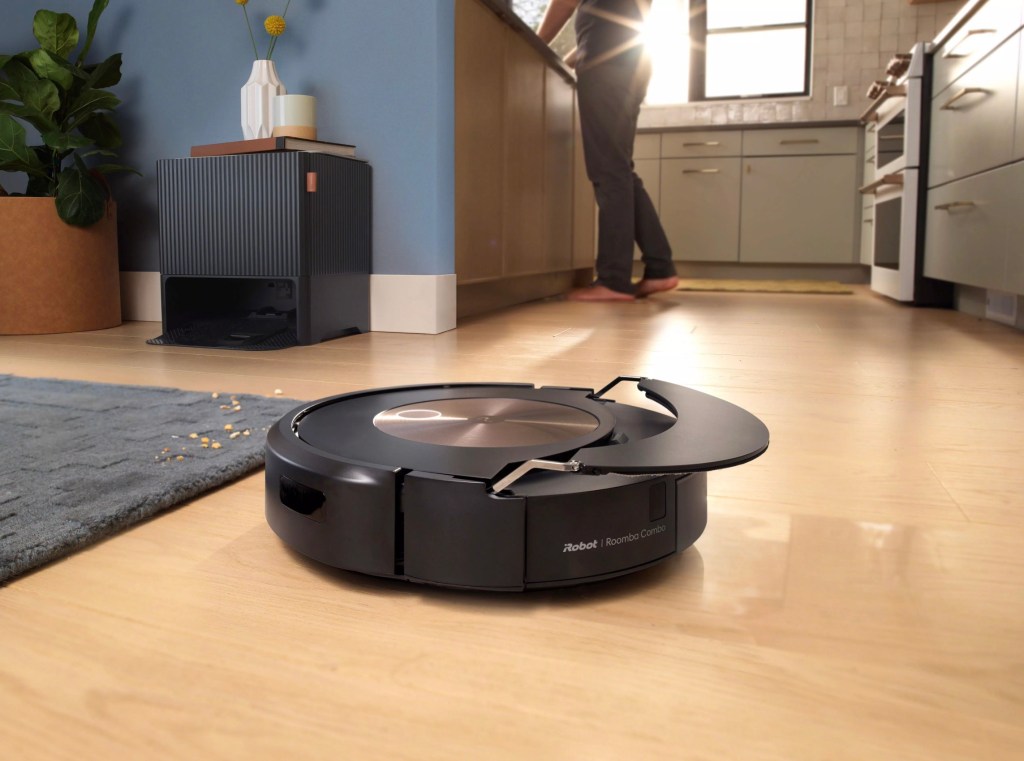
Founded in 1990 by MIT roboticist Rodney Brooks and his students Colin Angle and Helen Greiner, iRobot revolutionized home cleaning with the launch of the Roomba in 2002. This robotic vacuum cleaner not only became a household name but also symbolized the potential of consumer robotics. Over the years, iRobot sold over 50 million robots, solidifying its position as a leader in the industry.
The company’s success attracted significant investment, including a $38 million funding round featuring The Carlyle Group, and a 2005 IPO that raised $103.2 million. By 2015, iRobot was prosperous enough to establish its own venture arm, aiming to invest in emerging robotics startups.
In 2022, Amazon announced plans to acquire iRobot for $1.7 billion, a move that seemed to promise a new era of growth and innovation. However, European regulators expressed concerns that the acquisition could stifle competition by allowing Amazon to limit access to its marketplace for rival products. Facing potential regulatory roadblocks, Amazon and iRobot mutually agreed to terminate the deal in January 2024, with Amazon paying a $94 million breakup fee. Following the collapse of the acquisition, iRobot’s CEO Colin Angle resigned, and the company laid off 31% of its workforce.
The termination of the Amazon deal marked the beginning of a challenging period for iRobot. The company faced declining earnings due to supply chain disruptions and increased competition from Chinese manufacturers offering more affordable robotic vacuums. In 2023, The Carlyle Group provided a $200 million loan to support iRobot’s operations, but this financial assistance only delayed the inevitable. By December 2025, iRobot filed for Chapter 11 bankruptcy protection. As part of the restructuring plan, Shenzhen PICEA Robotics, iRobot’s primary supplier and lender, assumed control of the reorganized company. This transition aimed to allow iRobot to continue its operations, albeit under new ownership.
The story of iRobot serves as a poignant example of the challenges faced by pioneering tech companies. Despite its early success and significant contributions to consumer robotics, iRobot struggled to adapt to a rapidly changing market landscape, ultimately leading to its financial downfall.