iRobot’s Unraveling: The Amazon Deal That Could Have Changed Everything
In December 2025, iRobot, the pioneering company behind the Roomba vacuum, filed for Chapter 11 bankruptcy, marking a significant downturn for a firm that had once been at the forefront of consumer robotics. This development followed the collapse of a proposed $1.7 billion acquisition by Amazon, a deal that faced intense scrutiny from regulatory bodies and was ultimately abandoned in January 2024.
The Rise and Fall of iRobot
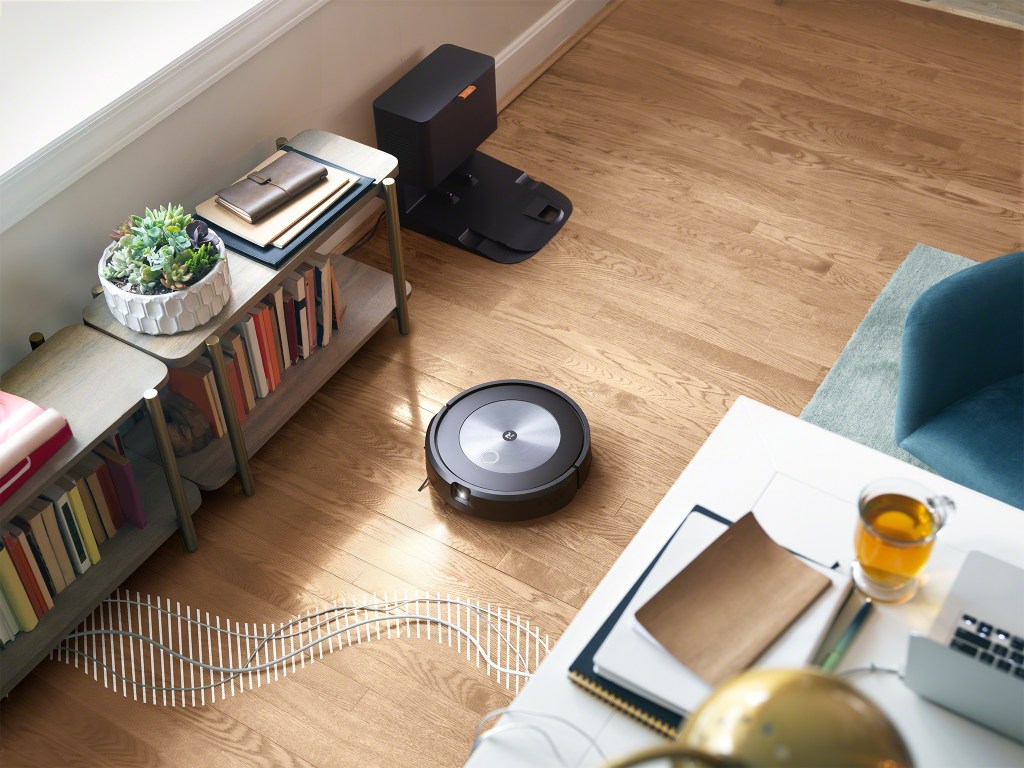
Founded in 1990 by MIT roboticists, iRobot introduced the Roomba in 2002, revolutionizing home cleaning with autonomous technology. By 2021, the company had sold over 40 million units, achieving a peak stock value exceeding $133 per share. However, the emergence of cost-effective competitors, particularly from China, began to erode iRobot’s market dominance. The company’s valuation plummeted, and by August 2022, Amazon proposed an acquisition at $61 per share, totaling approximately $1.7 billion.
Regulatory Roadblocks and the Abandoned Acquisition
The proposed merger faced immediate scrutiny from antitrust regulators in both the United States and the European Union. The Federal Trade Commission (FTC) expressed concerns about Amazon’s potential to favor its own products over competitors, potentially stifling innovation and consumer choice. Similarly, the European Commission launched an in-depth investigation, fearing the deal could lead to higher prices and reduced quality for consumers. Despite the UK’s Competition and Markets Authority approving the acquisition, the combined regulatory pressures led Amazon to terminate the agreement in January 2024, paying iRobot a $94 million termination fee.
Colin Angle’s Perspective
Colin Angle, iRobot’s co-founder and former CEO, has been vocal about his dissatisfaction with the regulatory opposition. In a candid interview, Angle described the process as profoundly frustrating, emphasizing that the merger aimed to foster innovation and provide consumers with more choices. He argued that the regulatory bodies’ actions were counterproductive, ultimately harming the very consumers they intended to protect.
The Aftermath: Bankruptcy and Acquisition by Picea Robotics
Following the failed acquisition, iRobot struggled to maintain its financial footing amid increasing competition and operational challenges. In December 2025, the company filed for Chapter 11 bankruptcy protection. As part of a court-supervised restructuring, iRobot announced its acquisition by Shenzhen Picea Robotics Co., Ltd., its primary contract manufacturer based in China. Picea, also known as 3irobotix, has produced over 20 million robotic vacuums and employs a substantial workforce dedicated to research and development.
Implications for the Robotics Industry
The transition of iRobot from an American innovator to a subsidiary of a Chinese manufacturer underscores the complexities of global competition and regulatory intervention. Critics argue that the blocking of the Amazon acquisition inadvertently facilitated the transfer of valuable technology and market share to a foreign entity, potentially impacting the U.S. robotics industry’s competitiveness. This situation raises questions about the balance between antitrust enforcement and the need to support domestic innovation in rapidly evolving technological sectors.
Looking Ahead
Despite the challenges, iRobot’s legacy in consumer robotics remains significant. The company’s journey reflects the delicate interplay between innovation, competition, and regulation. As the industry continues to evolve, stakeholders must consider how to foster innovation while ensuring fair competition and consumer protection.