iPhone’s Emergency SOS via Satellite: A Lifesaver in Lake Tahoe Avalanche
In a harrowing incident near Lake Tahoe, California, a group of skiers faced a catastrophic avalanche that resulted in eight fatalities and left one person missing. Amidst this tragedy, six survivors managed to maintain communication with emergency services using Apple’s Emergency SOS via satellite feature on their iPhones, underscoring the critical role of technology in life-threatening situations.
Don O’Keefe, Chief of Law Enforcement for the California Office of Emergency Services, highlighted the importance of this feature during the rescue operations. He noted that one of his personnel was in continuous communication with a guide over a four-hour period, relaying vital information to the Nevada County Sheriff’s Office and coordinating permissible rescue efforts. This seamless communication was pivotal in orchestrating the complex rescue operations in the challenging terrain of the Sierra Nevada mountains.
Understanding Emergency SOS via Satellite
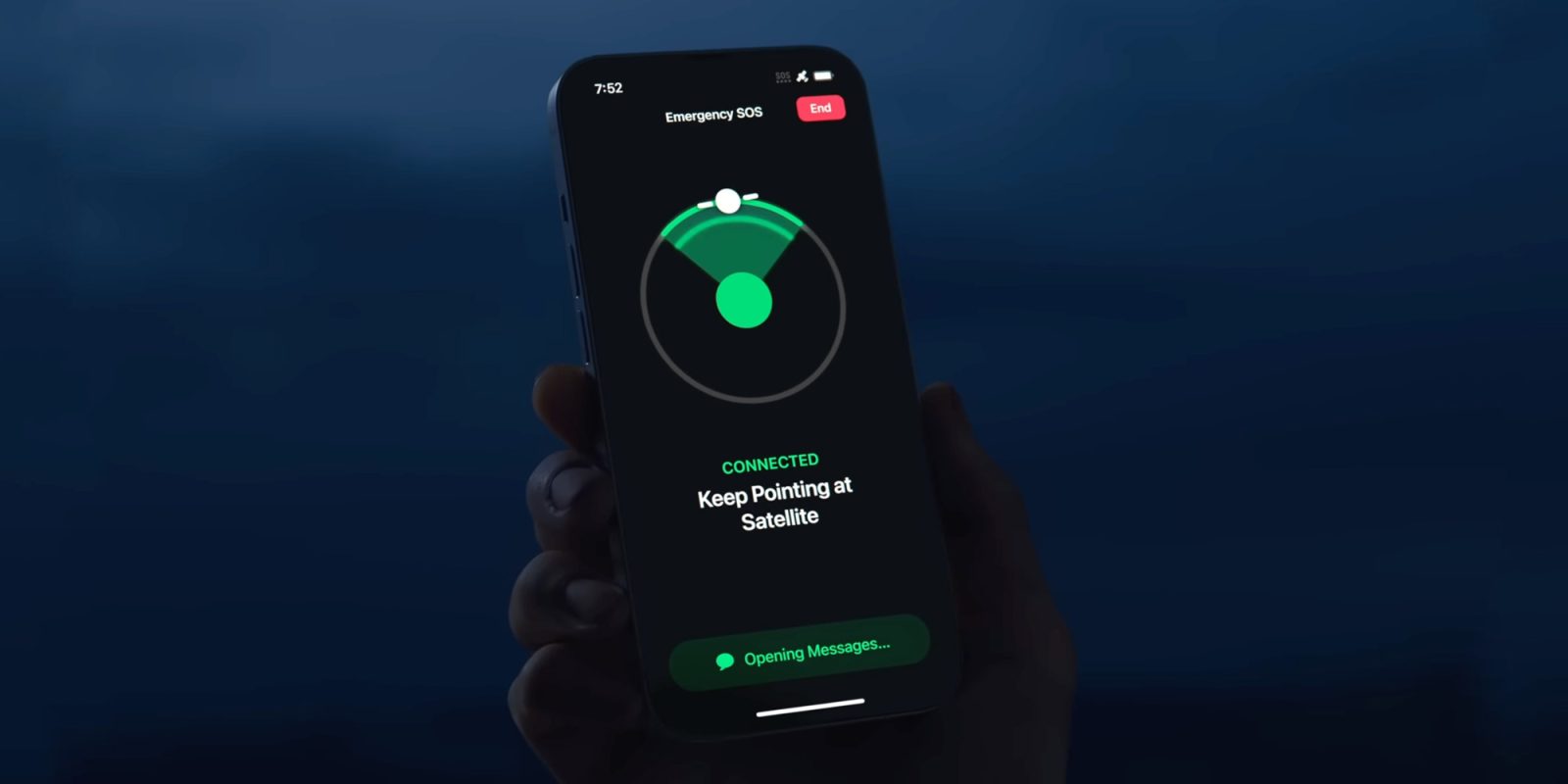
Apple’s Emergency SOS via satellite is a groundbreaking feature available on iPhone 14 and later models, as well as the Apple Watch Ultra 3. It enables users to contact emergency services even when they are beyond the reach of cellular or Wi-Fi networks. When a user attempts to call emergency services without connectivity, the device prompts them to initiate a satellite connection. The user is guided through a series of questions to assess the nature of the emergency and is instructed on how to position their device to establish a satellite link. This feature is offered free of charge for two years following the activation of an eligible device.
Real-World Impact
The Lake Tahoe incident is not an isolated case; there have been numerous instances where Emergency SOS via satellite has proven to be a lifesaver:
– Colorado Climber Rescue: An injured climber in Colorado utilized the satellite SOS feature to alert rescuers, facilitating a timely and successful rescue operation.
– Oregon Hikers’ Ordeal: A family stranded in the Mt. Hood National Forest in Oregon used the feature to contact emergency services, leading to a 24-hour rescue mission that concluded with their safe recovery.
– Maui Family Rescue: In Maui, a family trapped due to unforeseen circumstances was able to reach out to rescuers through the satellite feature, ensuring their safety.
– Utah College Students’ Escape: Three college students in Utah, trapped in a 500-foot deep canyon, relied on the Emergency SOS via satellite to communicate with rescue teams, who successfully extracted them.
How to Use Emergency SOS via Satellite
For users of iPhone 14 or later and Apple Watch Ultra 3, it’s crucial to familiarize themselves with this feature:
1. Accessing the Feature: Navigate to the Settings app on your device.
2. Initiating the Demo: Scroll to the ‘Emergency SOS’ section and select ‘Try Demo’ under the ‘Emergency SOS via Satellite’ heading.
3. Following On-Screen Instructions: The device will guide you through the process of connecting to a satellite, including how to position your device for optimal connectivity.
Engaging with the demo provides a practical understanding of the feature, ensuring users are prepared to use it effectively in real emergencies.
Conclusion
The integration of satellite communication into consumer devices like the iPhone and Apple Watch represents a significant advancement in personal safety technology. The Lake Tahoe avalanche incident serves as a poignant reminder of the potential life-saving capabilities of such features. As technology continues to evolve, it is imperative for users to stay informed and adept at utilizing these tools, which could prove indispensable in critical situations.