iPhone 17 Pro Max’s Aluminum Frame: A Design Choice Leading to Durability Concerns
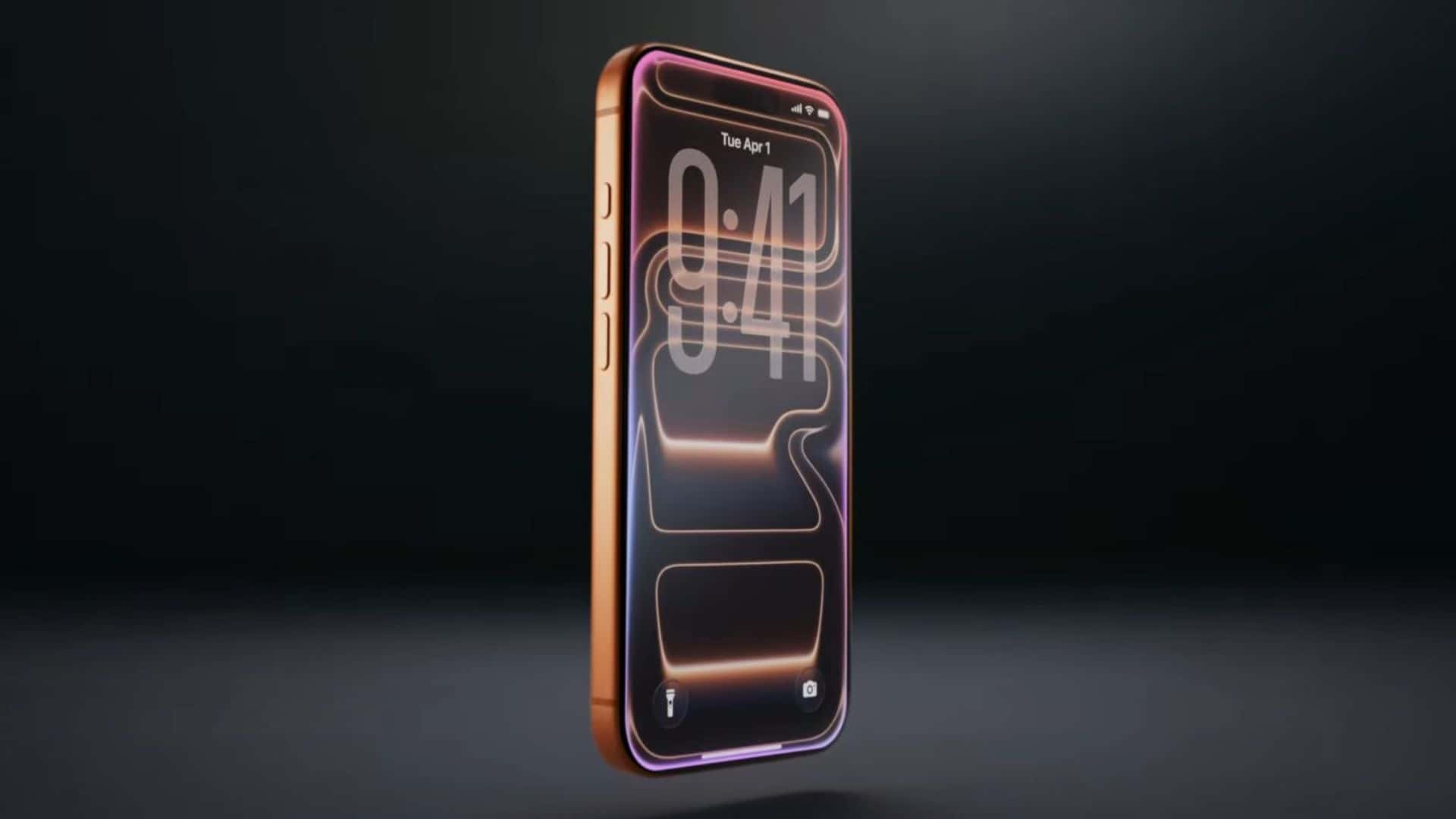
The iPhone 17 Pro Max has recently come under scrutiny as users report noticeable dents on the device’s frame, even when housed within protective cases. This issue has sparked discussions about Apple’s material selection for the device’s construction and its implications for durability.
Material Selection and Its Implications
Apple’s decision to utilize a 5080-series aluminum alloy for the iPhone 17 Pro Max marks a departure from the 6000-series alloy used in the standard iPhone 17. This choice was primarily driven by the need for enhanced heat dissipation capabilities. The 5080-series aluminum is known for its superior thermal conductivity, which aids in managing the heat generated by the device’s high-performance components. However, this material is inherently softer, making it more susceptible to physical deformations upon impact.
User Experiences Highlighting the Issue
Prominent tech reviewer Erica Griffin shared her experience on social media, stating that her iPhone 17 Pro Max sustained a dent despite being encased in a protective cover. She noted that while aluminum’s softness is a known factor, the device still dented after a minor fall from a stationary stroller, even though the case remained intact.
Another user, known as Schrödinger, provided insight into Apple’s material choice, explaining that the 5080-series aluminum was selected for its thermal management properties. He emphasized that this decision prioritized heat dissipation over tensile strength, leading to the observed durability issues.
Balancing Thermal Management and Structural Integrity
The iPhone 17 Pro Max incorporates a vapor chamber cooling system designed to maintain optimal performance of the A20 Pro chip under heavy usage. This system relies on the efficient heat transfer properties of the 5080-series aluminum frame. While this design effectively prevents thermal throttling, it compromises the device’s resistance to physical impacts. Consequently, incidents that would typically result in minor cosmetic damage to a protective case now lead to permanent dents on the device’s frame.
In contrast, the standard iPhone 17’s use of the more robust 6000-series aluminum alloy offers greater structural integrity. This material choice explains the relative absence of similar denting issues in the standard model, even when used without heavy-duty cases.
Historical Context and Comparisons
This situation is reminiscent of previous durability concerns associated with Apple’s product designs. For instance, the iPhone 17 Pro’s sharp aluminum edges were reported to scuff easily, leading to cosmetic wear over time. Additionally, the iPhone 17 Pro’s camera bump was noted for chipping, revealing the silver aluminum beneath the colored finish. These instances highlight the ongoing challenge of balancing aesthetic design, material selection, and durability in consumer electronics.
User Reactions and Recommendations
The community’s response to these durability concerns has been mixed. Some users express disappointment, emphasizing the expectation of premium durability in high-end devices. Others acknowledge the trade-offs involved in material selection and design choices.
To mitigate potential damage, users are advised to:
– Use Protective Cases: Opt for cases with reinforced corners and raised edges to absorb impact forces.
– Handle with Care: Be mindful of the device’s susceptibility to dents and avoid situations where it might be dropped or subjected to pressure.
– Regular Inspections: Periodically check the device for signs of wear and address any issues promptly to prevent further damage.
Conclusion
The iPhone 17 Pro Max’s design reflects a deliberate choice to enhance thermal performance through the use of 5080-series aluminum. While this decision effectively manages heat dissipation, it introduces challenges related to the device’s physical durability. Users should be aware of these trade-offs and take proactive measures to protect their devices from potential damage.